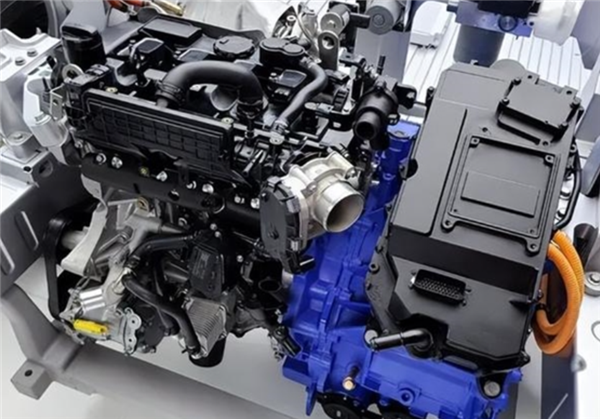
According to reports, my country's new energy operating vehicles are entering a period of high battery attenuation. High-intensity operation can cause vehicle battery attenuation to reach 30% to 40% in 3 to 4 years. The battery health of some vehicles has dropped below 60%, and the battery life has been significantly reduced.In order to maintain operations, a large number of online ride-hailing and delivery vehicle drivers choose to install batteries or range extenders privately.The gray modification market is expanding rapidly, and these illegally modified vehicles have been pointed out by experts as "mobile bombs" on the road.
Data shows that household new energy vehicles travel 10,000 to 20,000 kilometers per year, and the battery decays by about 10% to 15% in 6 years; commercial vehicles travel 80,000 to 100,000 kilometers per year, and the decay rate is several times that of household vehicles.
Replacing the original battery often costs 50,000 to 60,000 yuan, which is often higher than the residual value of the vehicle. The cost of replacing a new car is even higher, forcing car owners to turn to low-cost private modifications. The installation of additional batteries starts at 16,000 yuan per set, and the proportion of commercial vehicle users exceeds 80%.
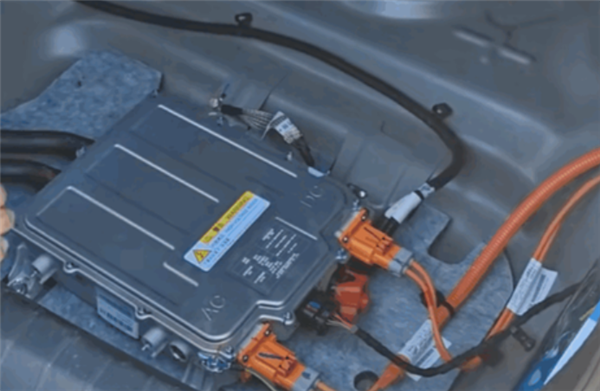
Private modification is illegal. According to the Road Traffic Safety Law, modifications to the three-electric system cannot pass the special annual inspection and may be punished and ordered to be restored to the original state.
What's more serious is that insurance companies usually refuse to pay compensation after an accident involving a modified vehicle, and the owner must bear all the losses.
There are three fatal risks in illegal modification: First, there is no original thermal management and protection, and the risk of thermal runaway increases sharply. There have been cases of modified cars catching fire due to short circuit and causing heavy property losses.
The second is to interfere with the original BMS, which can easily cause overcharge and over-discharge and battery cell bulging; the third is to damage the weight and structure of the car body, reduce braking and control stability, and significantly increase the risk of accidents.
Car companies are reluctant to launch official retrofit plans, mainly due to the triple barriers of compliance costs, warranty recovery, and product iteration. The R&D investment for a single model exceeds 10 million yuan, and it conflicts with the logic of new car sales.
Against this background, the General Office of the State Council has included automobile modification as an emerging industry to be cultivated, and the relevant hierarchical and classified management policies and technical standard systems are gradually being improved.