On March 31, according to news website Axios,It is preparing to launch the largest initial public offering (IPO) transaction in history, and the amount of financing is expected to exceed the sum of all listed companies in the United States in 2024 and 2025.Wall Street is clearly ecstatic. But what SpaceX is about to pitch to investors is unprecedented and could affect how and whether OpenAI and Anthropic go public later this year.
SpaceX
Here are four ways this SpaceX IPO differs from all other IPOs:
1. Scale. According to reports, SpaceX hopes to raise approximately $75 billion at a valuation of $1.75 trillion.
* For reference, in the past 10 years, the total amount raised by the entire U.S. IPO market exceeded this figure in only two years.
* SpaceX’s IPO will also strive to become the first company in history to be listed at a valuation of US$1 trillion or higher. After listing, the market value is expected to exceed that of Walmart, Exxon Mobil or Meta immediately.
* Finally, Musk reportedly plans to reserve up to 30% of the issued shares for retail investors, three times the regular ratio.
2. Company structure. SpaceX has been established for more than 20 years, but the subject of this listing is a newly established enterprise group.
*After merging X into xAI, Musk recently merged xAI into SpaceX.
*No one really knows whether these mergers will be successful. It's too early to tell what the outcome will be, let alone SpaceX's plan to launch 1 million satellites to form a constellation for use as data centers. This seems to be Musk's grand vision, but it's unclear whether it's feasible.
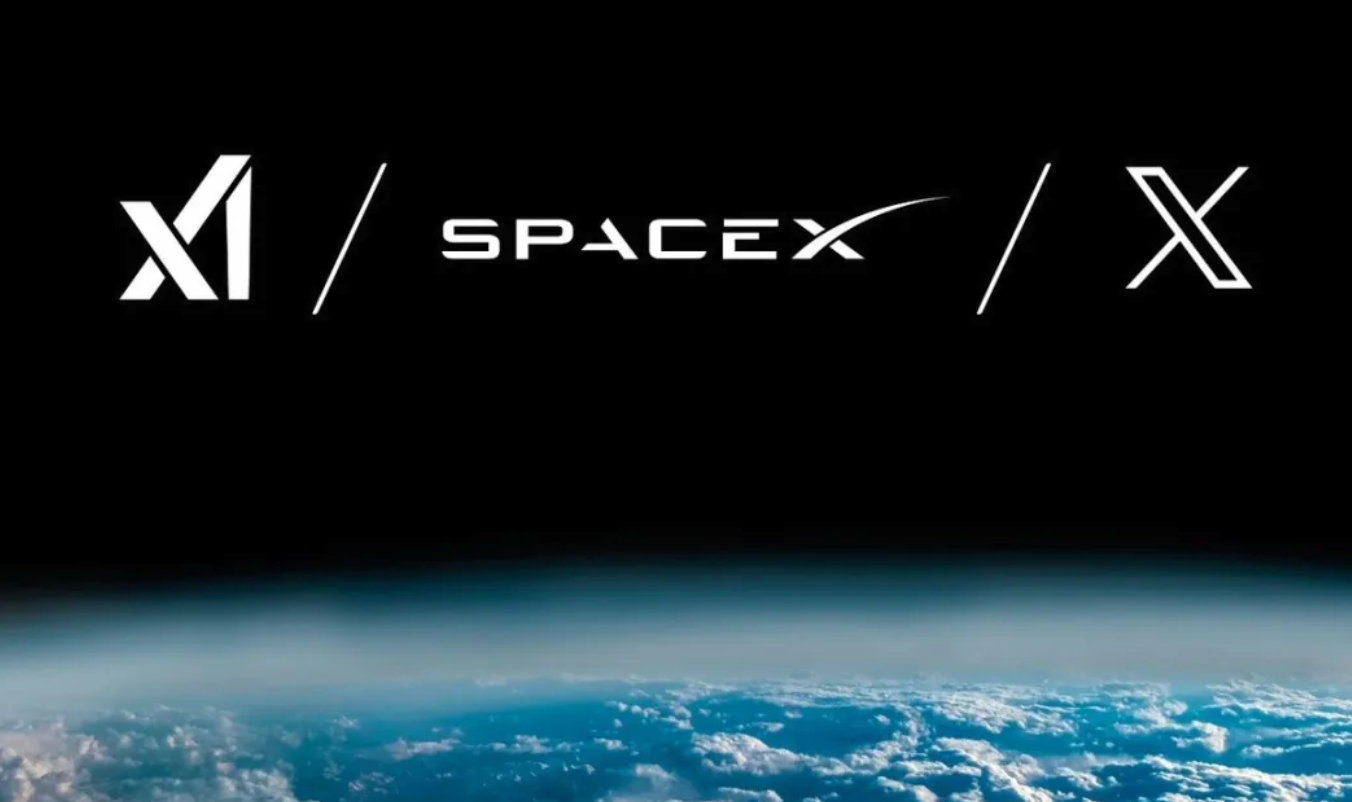
SpaceX is now a conglomerate
*IPO investors usually have access to a company's financial performance data over the past few years, but since SpaceX is a newly integrated conglomerate, the reference value of these data is relatively limited.
3.X factor: Musk himself. This is not only reflected in his attempt to run two companies with extremely high global market capitalization (Tesla and SpaceX) at the same time.
* Musk has not participated in an IPO since Tesla went public in 2010. At the time, he was relatively low-key on social media, sending out his first tweet just weeks before Tesla went public.
* Today's Musk may have difficulty fully complying with the rules regarding company insider speech during the IPO process. Previously, Google's IPO was almost blocked by its co-founder's remarks in a Playboy interview.
*On the other hand, the current U.S. Securities and Exchange Commission (SEC) is relatively lax in enforcement, and Musk usually has a good relationship with the top brass of the regulatory agency. In addition, there are reports that the two parties are preparing to reach a settlement over Musk's alleged violation of securities laws in 2022.
4. Loss situation: The outside world is still unclear about SpaceX’s overall financial situation, and its first IPO filing documents are likely to be kept confidential.
*What is fairly certain, however, is that its xAI division (excluding X) is losing money heavily. This is consistent with other large basic model companies that have invested in GPUs to scale.
* Investors may not care and firmly believe that everything in the AI track will continue to rise, but the listing of SpaceX will make the AI company's losses face the first major market test.