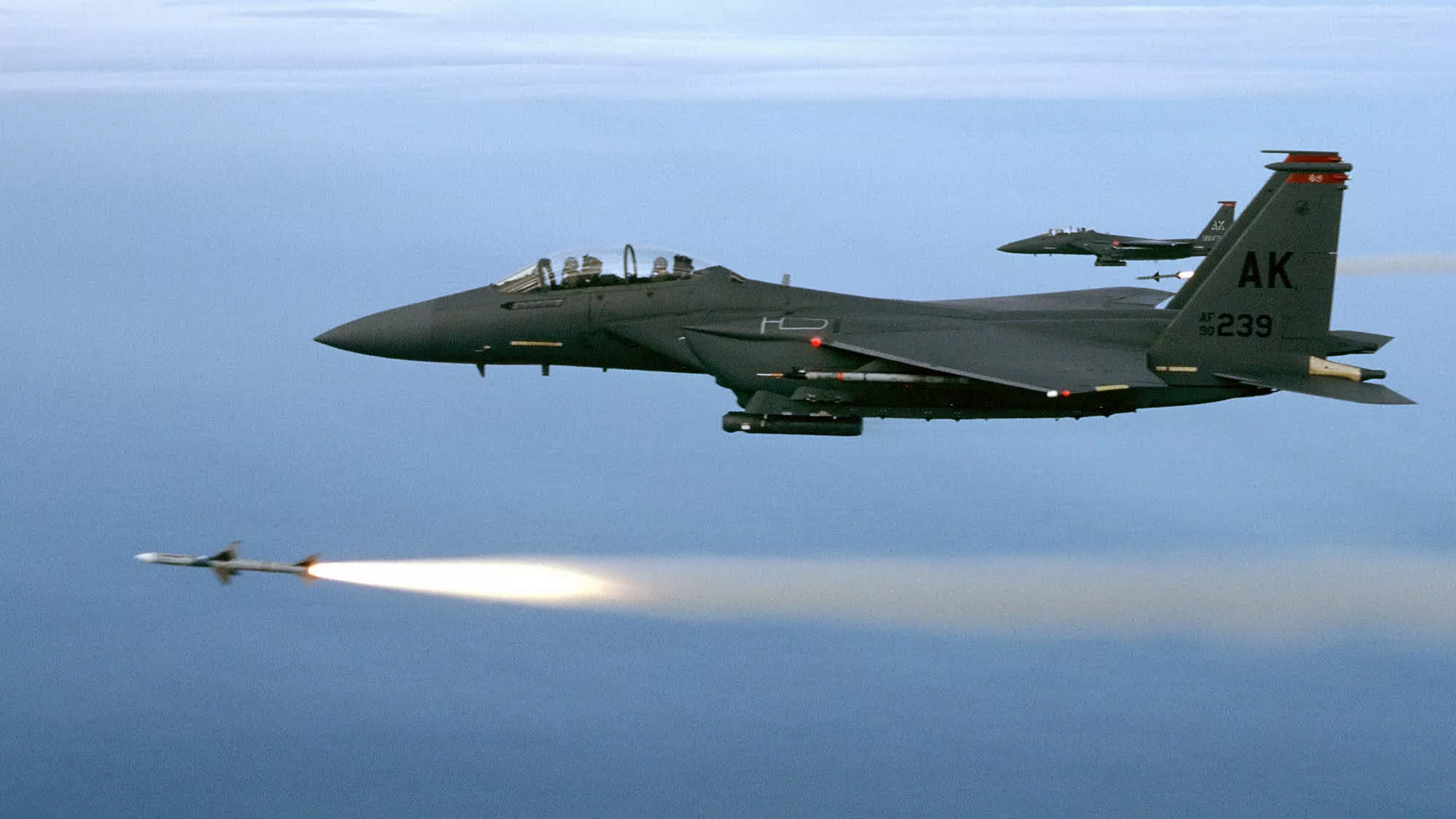
The CIA recently used a secret artificial intelligence system code-named "Ghost Murmur" to successfully search and rescue a missing US Air Force soldier in Iran. The F-15E "Strike Eagle" fighter-bomber the soldier was on was shot down last week after being intercepted by a new air defense system over southern Iran. The two crew members on board were rescued by the US military after ejecting. One of the pilots was found shortly after the crash, and the other weapons systems officer was found 24 hours later.
According to two sources quoted by the New York Post, Ghost Whisper can "hear" a person's heartbeat from miles away. One source described its performance as being able to distinguish a voice in a huge stadium, "only this 'stadium' is replaced by a desert with a radius of thousands of square miles." The source also claimed that this tool can locate almost any trapped person in most environments. "As long as your heart is still beating, we can find you."
"Ghost Whisper" was reportedly developed by Lockheed Martin's famous "Skunk Works" advanced development project team. The team was founded in 1943 and has long been designing cutting-edge military aircraft and fighter jets in a highly confidential environment. Now it is empowered to develop cutting-edge AI software required for high-risk missions for intelligence surveillance, espionage and intelligence collection.
According to sources, the "Ghost Whisper" has been fully tested on the "Black Hawk" helicopter platform before, but this operation in Iran is the first time it has been officially used by the CIA in actual combat. The Pentagon and Lockheed Martin have yet to formally respond to the relevant reports, but U.S. President Trump seemed to confirm the existence of this tool in an interview with reporters on Monday, saying that the United States used a "very complex" device to locate during the rescue of injured Air Force personnel.
The rescued soldier was publicly identified as "Dude 44 Bravo" and was a weapons systems officer in the U.S. Air Force. The fighter plane he was riding in was shot down in southern Iran last week and was discovered by search and rescue personnel nearly two days later. Iran's Islamic Revolutionary Guard Corps claimed that it used a new air defense system to intercept the fighter jet; the Iranian government issued a wanted warrant for the US military officer and offered a reward of 10 billion tomans (approximately US$60,000) to encourage the public to help capture him.
A source said that the desert landscape of the crash area provided an "ideal environment" for the first actual combat application of "Ghost Whisper". The local lack of vegetation and almost no other human activity signals keeps electromagnetic interference to a minimum. Another favorable factor is the obvious thermal radiation contrast between the human body and the desert surface at night, which provides the search team with a "second layer of confirmation means."
The name "Ghost Whisper" comes from its ability to "listen" to the heartbeats of missing or trapped people from miles away. Among them, "whispers" correspond to medical meanings such as heart murmurs, while "ghosts" refer to those who have "disappeared" and may die without the help of this tool.