The latest "Star Wars" movie introduced Apple's head-mounted display device Apple Vision Pro during the filming process. It used a customized application to pre-compose and review the film in the virtual IMAX theater, thereby significantly reducing the number of reshoots. Director Jon Favreau regarded it as one of the key technical means to "cut unnecessary costs." In an interview with the podcast "The Town" during CinemaCon, Favreau said that traditional viewing of replays on ordinary TVs, no matter how large the screen is, cannot restore the look and feel of the real IMAX screen, which directly affects his judgment on the composition of the picture and the final presentation effect.
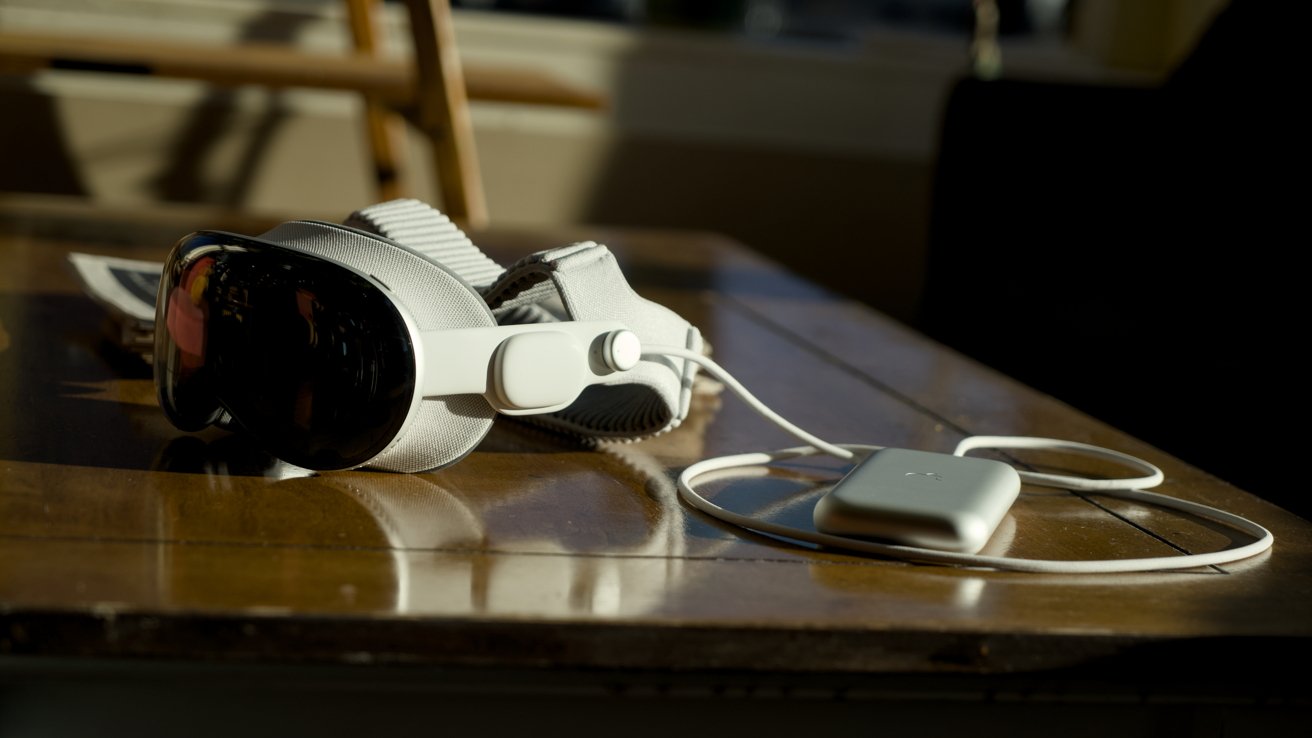
In order to solve this pain point, the production team developed a special software to project the filmed material into the virtual IMAX theater in Apple Vision Pro, allowing the director to see on the spot in an immersive environment what the audience will see in the theater in the future, thus discovering composition or scheduling problems during the shooting stage. Favreau emphasized that this type of technology itself originated from consumer products, and the film industry just made good use of these ready-made tools and transformed them into a more efficient creative process. This also reflects the increasingly close interaction between consumer electronics and professional film and television production.
In Favreau's view, the cost of film production is constantly rising. What is really expensive is often not the setting and shooting itself, but the shots that are eventually cut but have already been shot with a lot of manpower and material resources. By previewing and optimizing shots in the Vision Pro virtual environment in advance, he was able to more accurately judge whether the picture was up to standard on the set, reducing reshoots and redundant material from the source, thereby reducing the overall production budget. He believes that the combination of Apple Vision Pro's high-resolution display and immersive experience makes the connection between "pre-visualization" and real shooting smoother, helping to better plan and realize complex shots.
Jon Favreau has always been known for his active adoption of new technologies. Previously, in the live-action version of "The Lion King", he used virtual sets and VR director tools to schedule cameras and scenes in a digital environment. In "Star Wars" projects such as "The Mandalorian", a large number of scenes rely on virtual sets and green screen shooting. Actors perform in a space surrounded by green screens, which places higher demands on the director's sense of space and composition judgment. With Apple Vision Pro, Favreau can more intuitively evaluate the integration of virtual and real elements by superimposing and projecting live performances and pre-visual environments into simulated IMAX theaters, which he regards as a major breakthrough in the use of current technology.
Although Apple Vision Pro is expensive and has its own trade-offs such as weight and wearing time, in Favreau's practice, it has demonstrated its unique value in the niche field of film and television production. The report pointed out that Vision Pro has not been widely considered to have a "killer application" so far, but its application in a large-scale movie confirms that it may be more suitable to play a role in many vertical scenes, rather than relying on a single highlight function for the public. At least it is certain that Apple has successfully sold a Vision Pro to the "Star Wars" director, and he has used practical cases to demonstrate the potential prospects of consumer XR equipment in the professional film industry.