Drug developers have long sought treatments for hantaviruses, a rare infectious disease. Recently, an outbreak of hantavirus occurred on a cruise ship, and public health authorities around the world are urgently implementing prevention and control measures. This round of epidemic has caused 3 deaths and 5 infections, making the research and development of relevant drugs and vaccines more urgent. Hantaviruses are usually spread through contact with infected rodents, but the strain in this outbreak can be transmitted from person to person. Several potential R&D projects that were previously shelved due to long-term lack of funding are now seeking a new round of capital injection to advance follow-up clinical trials and related research and launch available treatment options as soon as possible.
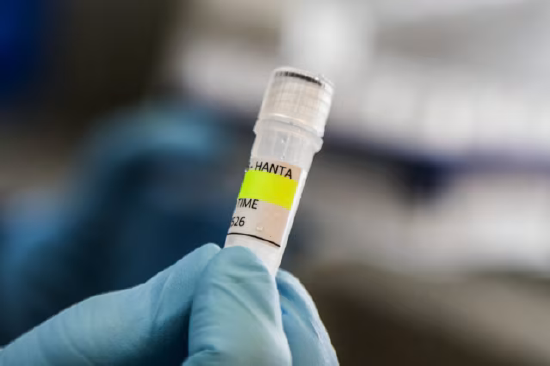
For years, scientists have been searching for effective drugs to treat hantaviruses.
The following are the progress related to hantavirus drugs and vaccines currently under development:
therapeutic drugs
An international scientific research alliance composed of many universities, biotechnology companies and US military research institutes has developed a neutralizing antibody targeting hantavirus. Research published in "Science Translational Medicine" in 2022 showed that this antibody can effectively protect hamsters against the Andes hantavirus strain spread in this round of epidemics.
Kartik Chandran, professor of microbiology and immunology at Albert Einstein College of Medicine in New York, is a member of the research and development team. He said: This antibody is taken from blood samples of patients who have been infected with other types of hantavirus; it can accurately bind to virus surface proteins, block the virus from invading human cells, and help clear infected cells.
Antibody drugs were once a key tool in the fight against the new coronavirus epidemic. After the outbreak, pharmaceutical companies such as Regeneron and Eli Lilly quickly developed antibodies and put them into clinical trials, effectively reducing the hospitalization of a large number of patients with severe illness.
Chandran said that the application idea of this hantavirus antibody is to inject it into people exposed to the virus in advance to prevent infection or reduce symptoms; it can also be used for infected people who have already developed symptoms to prevent the condition from worsening.
However, at present, the antibody has only completed animal experiments and cannot be mass-produced for the treatment of this round of epidemic. Funding for the project from the National Institute of Allergy and Infectious Diseases expires in 2024, and human clinical trials have not yet begun.
Chandran's team is in urgent need of new funds to advance research, but he admitted frankly: Hantavirus epidemics are sporadic events, and compared with other popular viruses, it has always been difficult to obtain priority scientific research funding support.
The scientific research department of the U.S. Army also participated in this research and development, and partners also include Max Planck Biopharmaceuticals. This company has developed an Ebola virus antibody combination therapy and put it into trial during the 2014-2015 Ebola epidemic in West Africa. Small-scale studies showed that the therapy can significantly reduce mortality.
Vaccine R&D
Even before the current outbreak, Moderna had cooperated with the U.S. Army Medical Research Institute of Infectious Diseases to conduct hantavirus-related research.
In 2024, Moderna once again joined hands with the Vaccine Innovation Center of Korea University College of Medicine to initiate the development of a hantavirus vaccine. This is also one of Moderna’s external cooperation R&D projects targeting high-risk emerging infectious diseases.
A spokesperson for Moderna said: "Relevant research and development is still in the early stages and continues to advance, which reflects the company's social responsibility layout in responding to emerging infectious diseases and developing epidemic prevention countermeasures."
Moderna is not the only company in the world that has been developing a hantavirus vaccine in recent years. According to research published in the Journal of Infectious Diseases in 2023, the U.S. Army Institute of Infectious Diseases has completed early human trials of a candidate hantavirus vaccine that can safely induce an immune response in the human body.