On May 21, just as SpaceX officially announced its IPO prospectus, multiple US media reported thatOpenAI also plans to file for an IPO confidentially in the coming days or weeks., aiming to be launched this fall. However, Bloomberg published an article saying that there are still variables in OpenAI’s road to listing.
OpenAI
OpenAI has been shrouded in lawsuits initiated by Musk for more than two years. The dispute had threatened to derail its reorganization into a for-profit company and shake up its plans to go public. Now, with the judge dismissing Musk's lawsuit, OpenAI has also begun preparing its plan to go public.
IPO variables
OpenAI's decision to go public this year will help the company land on the public market before rival Anthropic and gain an advantage in competing for investors. However, even after the lawsuit has passed, OpenAI still faces a series of ongoing legal, competitive and business challenges that may affect its IPO plans, not to mention macroeconomic factors such as inflation and geopolitical uncertainty.
Over the past year, OpenAI has faced increasingly fierce competition.Anthropic, once regarded as a catch-up, has seen rapid revenue growth and seized market share from enterprise customers thanks to the advancement of its AI agents.The maker of Claude is in talks to raise a new round of funding at a valuation of more than $900 billion, a figure that would exceed OpenAI's latest private market valuation. Google, which was once considered to be lagging behind AI startups, has also begun to get on the right track, which to a certain extent prompted OpenAI to sound a "red alert" at the end of last year.
While Anthropic has recently been making headlines for its 80x annualized revenue growth, OpenAI is reexamining its product line and making leadership changes. In addition, there are reports that OpenAI failed to meet certain internally set revenue and user targets, which has also raised new questions about its growth momentum. In response to this, OpenAI CFO Sarah Friar responded in an interview with Bloomberg that the company is achieving various set goals and that its products are facing "straight-rising blowout demand."
However, OpenAI's programming agent Codex has gained favor in the market, with more than 4 million weekly active users. Its latest model GPT-5.5 has also been generally well received, and ChatGPT is still synonymous with AI.The company also said its early efforts to seize massive amounts of computing power gave it an advantage over Anthropic, which had limited computing power that limited the number of customers it could serve.
The atmosphere is wrong
However, as is sometimes said in the AI field, it all ultimately comes down to "vibe." At multiple points in the past year, the atmosphere at OpenAI seemed not quite right. Although OpenAI got the outcome it wanted in the lawsuit, weeks of testimony during the Musk trial once again brought tensions within OpenAI's senior leadership to the fore, which did not have a positive effect.
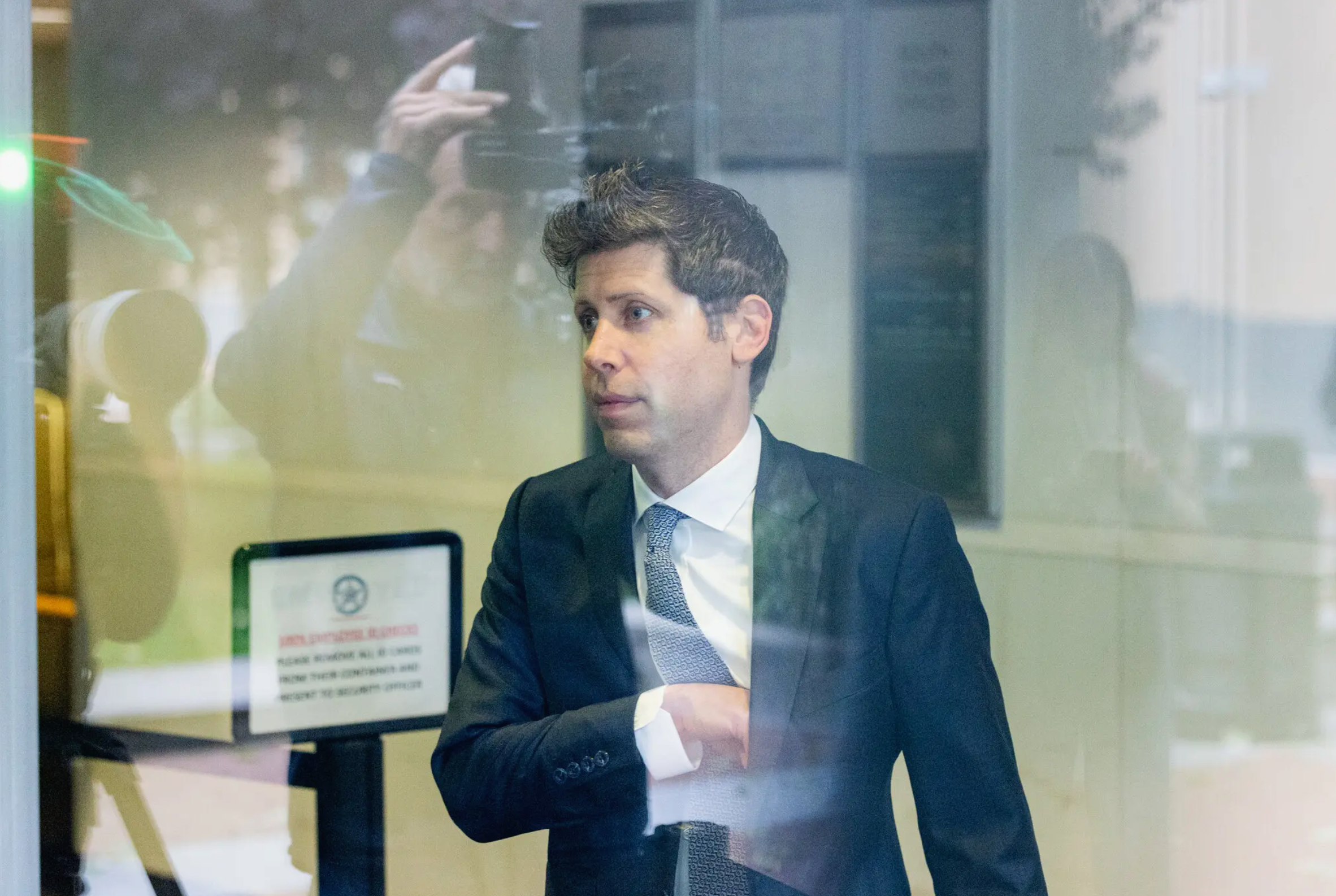
ultraman
In this case, multiple former OpenAI executives recounted their concerns about Sam Altman’s management style and credibility, resurfacing a series of questions Altman faced when he was briefly ousted as CEO in 2023. Although Altman has long said he does not hold a direct stake in OpenAI, the lawsuit also prompted him to disclose his holdings in multiple companies that do business with OpenAI, an issue that is also being investigated by the Republican-led House Oversight Committee.
As CEO, Altman has led the amazing rise of OpenAI. He is not only the face of the company, but also the representative of the entire AI industry. Altman has also said previously that he has little interest in some of the administrative aspects of running a public company. Speaking at a recent event about OpenAI's next phase of growth, Altman said: "I either need to hire a good person or a few good people, or I have to find a way to handle these things in a different way."
Management changes
However, there are some changes among those most likely to take over more management responsibilities. Former Instacart CEO Fidji Simo, who was hired to run most of OpenAI's business operations so that Altman could focus on research and infrastructure, announced in early April that he was taking a medical leave due to an ongoing neuroimmune disease. OpenAI has not said when she will return.
OpenAI's former COO Brad Lightcap has moved into a new role to focus on special projects. The company currently relies on a number of senior executives to handle day-to-day affairs, including CFO Friar, President Greg Brockman (Greg Brockman) and relatively new arrival Chief Revenue Officer Denise Dresser (Denise Dresser), who previously served as Slack CEO.
"OpenAI has some short-term issues that need to be addressed," said Ross Gerber, CEO of Gerber Kawasaki Corp., a shareholder in some of Musk's companies. However, Gerber also believes that the competition and leadership challenges faced by OpenAI are "by no means insurmountable."
Musk refuses to give up
To further complicate matters, Musk is unlikely to back down from his fight against OpenAI. On the day of the ruling, Musk's lawyer, Marc Toberoff, compared the defeat to the setbacks suffered by the colonies against the British in the American Revolutionary War and vowed to appeal. "This is not over yet," he said.
Musk has also used other tactics to disrupt OpenAI's business, from starting a competitor, xAI, to making an unaccepted $97.4 billion takeover bid to acquire the nonprofit entity that controls OpenAI.
Although Musk lost the lawsuit this week, he is on the verge of getting xAI to market ahead of OpenAI. The method he adopted was to tie his still-loss-making AI company to a leading rocket company, an option that OpenAI did not have. However, as OpenAI develops a new IPO schedule, the company and Altman may be expected to steal some of Musk's limelight.