AMD is preparing to launch the Radeon RX 9070 GRE graphics card, which was previously only available in the Chinese market, through its global distribution channels. The latest exposure of the Sapphire Radeon RX 9070 GRE PULSE version packaging photo shows that the box uses an English brand and logo, which is significantly different from the Chinese product naming that Sapphire used to use in the Chinese market. It is regarded as an important signal that the card may land in overseas markets.
In addition, on the e-commerce platform Newegg, a pre-installed system equipped with a Radeon RX 9070 GRE graphics card has appeared, as well as unofficial listing information of the graphics card itself, including the sapphire Radeon RX 9070 GRE PULSE and PURE models. However, these entries are currently released by Chinese third-party sellers, not local channels in the United States. Although the above information has not yet been officially confirmed, there are a series of signs that AMD may be opening up the sales rights of this graphics card to partners outside China.
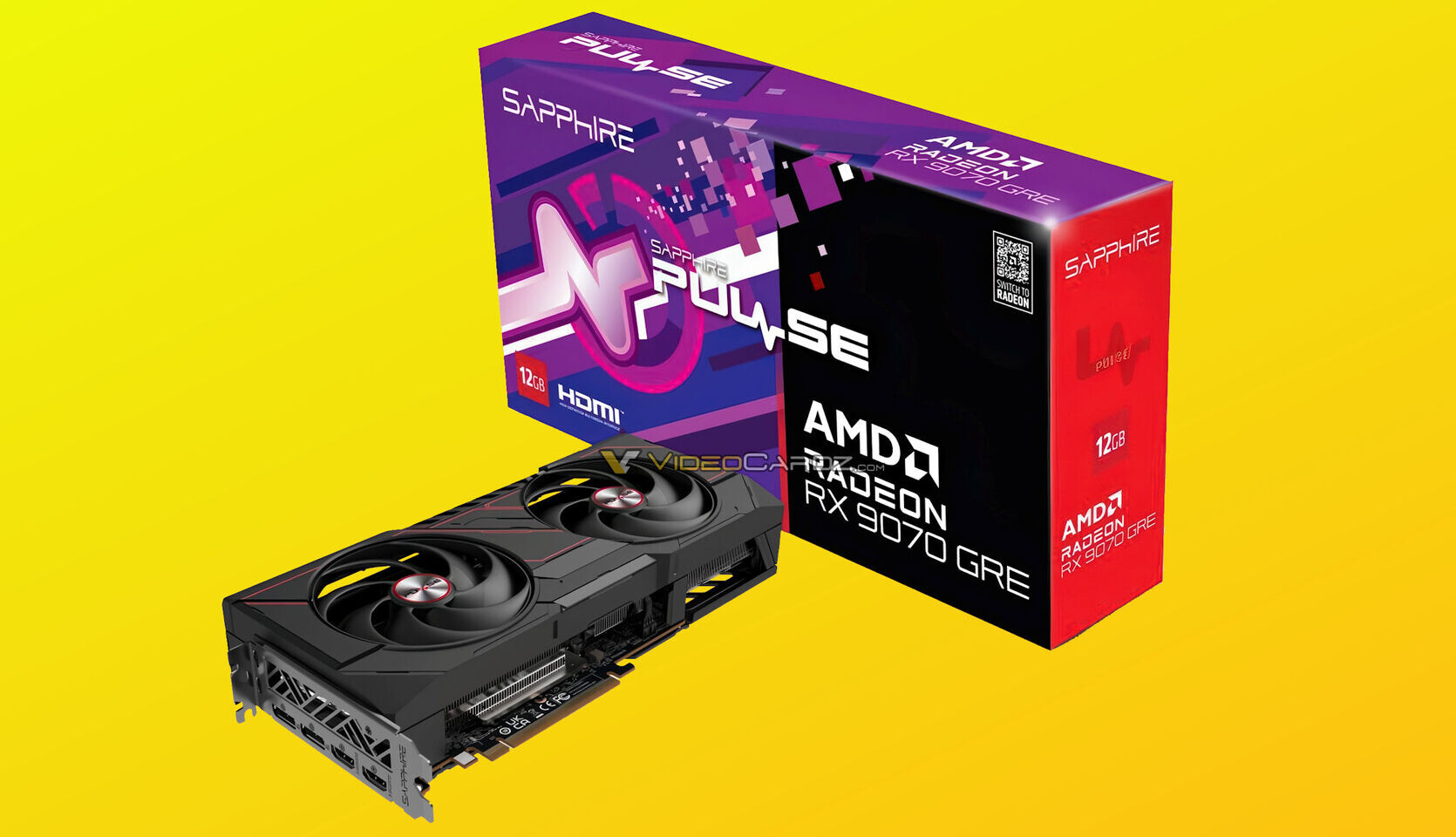
Radeon RX 9070 GRE was launched by AMD for the Chinese market about a year ago and is positioned as a mid-to-high-end gaming graphics card. The card is based on the Navi 48 XL core, integrates 48 computing units, a total of 3072 stream processors, and is equipped with 12 GB GDDR6 video memory. The video memory width is 192 bits, and the corresponding video memory bandwidth is 432 GB/s. On this basis, Sapphire has also launched a variety of non-public customized designs, including PURE and PULSE. These versions all provide factory overclocking on top of the public version specifications, and their maximum Boost frequency is significantly higher than the 2790 MHz reference value calibrated by AMD. Although there is currently no specific frequency data for the Sapphire Radeon RX 9070 GRE PULSE version, it is generally believed in the industry that the card will also use higher factory overclocking settings. The Radeon RX 9070 GRE version previously launched by Sapphire for the Chinese market was also displayed as a comparison sample to illustrate the difference between the new packaging and the old version.
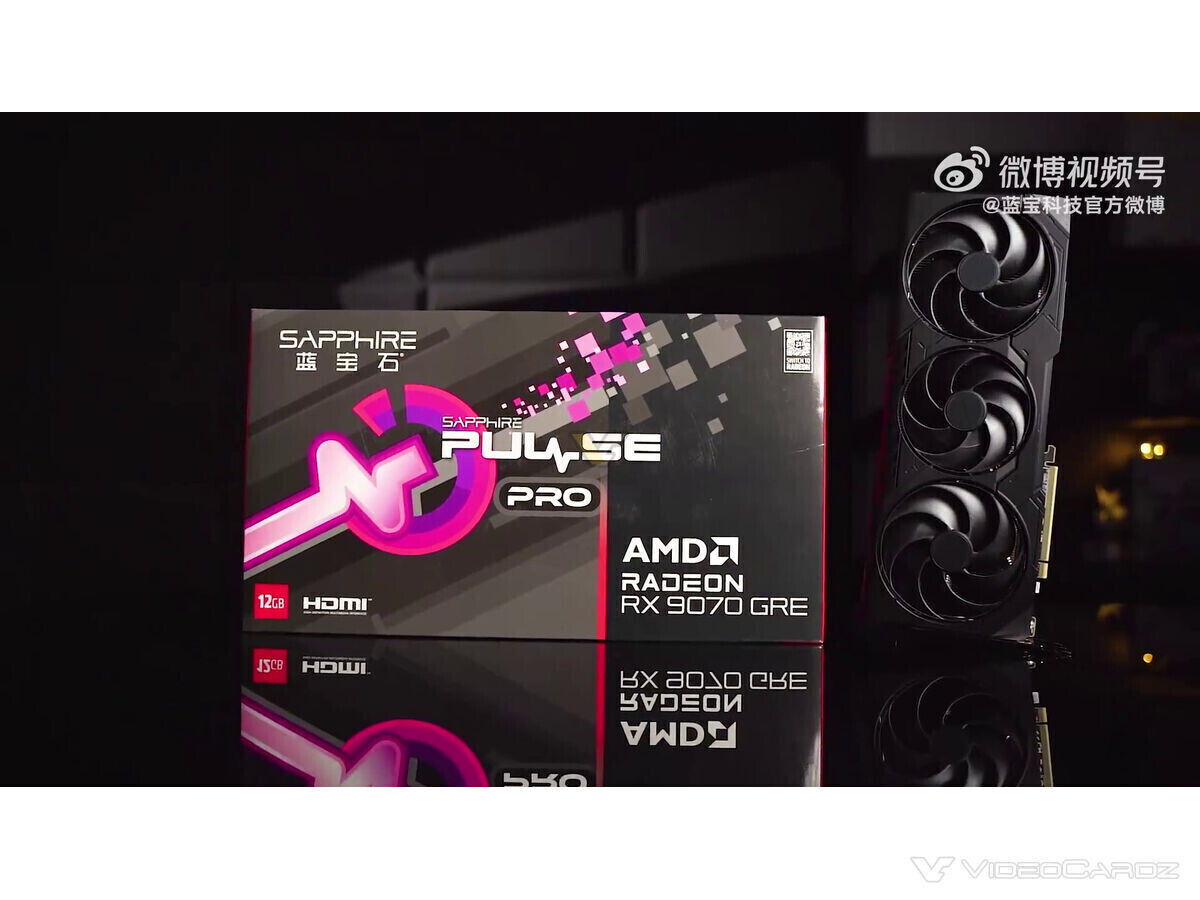
Industry analysts believe that AMD's move may be related to channel inventory adjustments and the pace of a new round of graphics card product releases. Earlier this month, it was reported that some Radeon graphics cards in the Chinese market have experienced channel inversion, and some models have even been shipped at a loss by dealers. In this context, opening up models that were originally limited to regional sales to the global market is seen as a potential strategy to speed up inventory clearance and pave the way for new products. However, the official global launch time, supply and official pricing of Radeon RX 9070 GRE are still unclear. Whether the previous tight supply situation of RX 7900 GRE in overseas markets will be repeated remains to be further observed.