The Trump administration is currently in advanced talks with a group of private drone manufacturing companies on financing deals, according to people familiar with the matter, a move aimed at significantly increasing domestic drone production and reducing manufacturing capital for a weapon that is increasingly critical in modern conflicts.It is reported that potential transactions may include a combination of debt and equity incentives, which means that the US government may directly hold some shares of these private drone companies in the future.
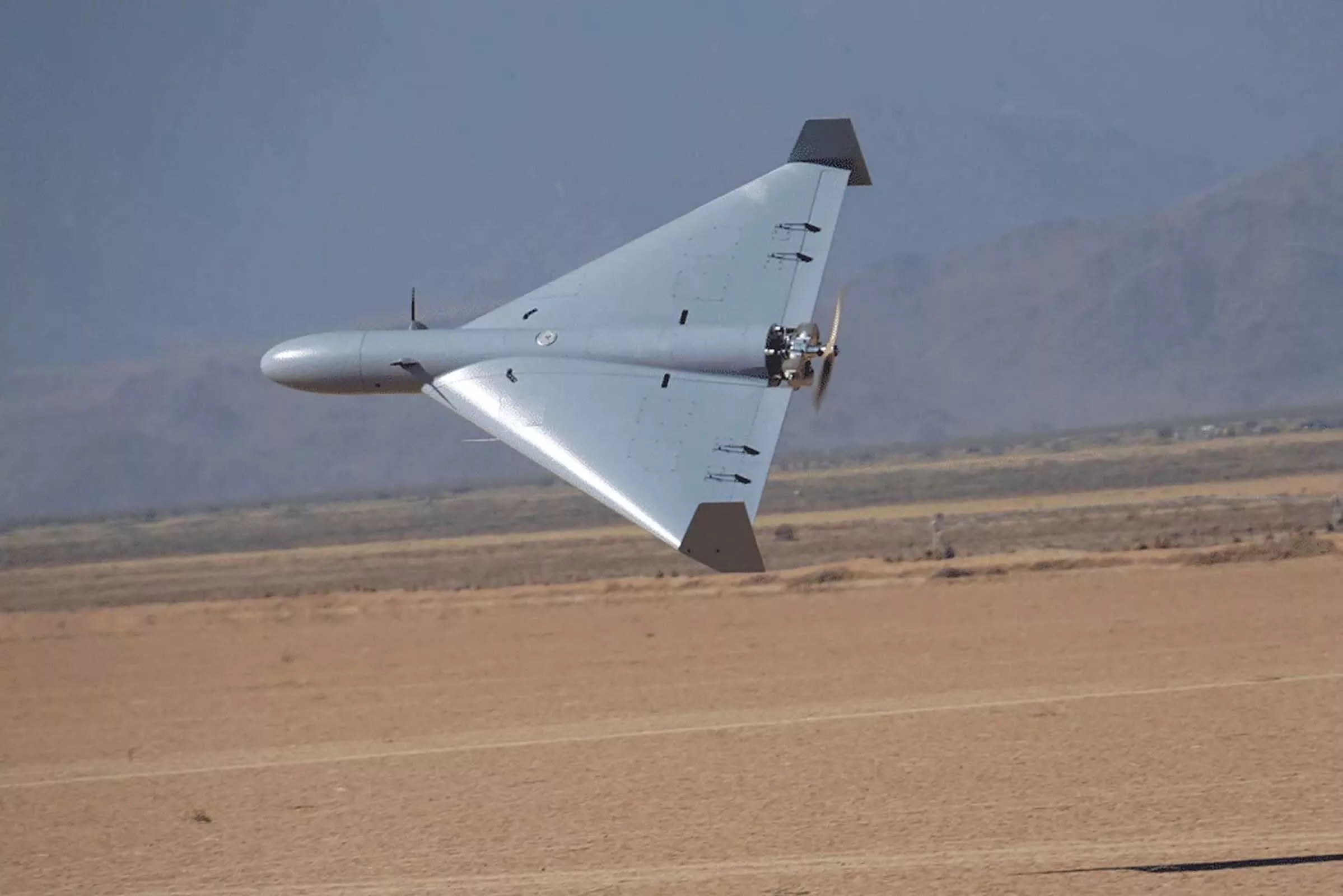
These potential strategic investments come after months of negotiations between multiple private drone companies and the Pentagon. Also involved in the negotiations is the Pentagon's Office of Strategic Capital (OSC), which has about $210 billion in lending authority and was originally established by the Biden administration to provide financing to companies critical to national security supply chains. People familiar with the matter emphasized that the current negotiations are still in a critical negotiation stage. The Pentagon's transaction compliance personnel are conducting strict reviews of relevant companies and the final terms have not yet been finalized. Defense Department officials responded by saying that they do not comment on matters that have not yet been finalized and any final decision will be released in the form of an official announcement at a later date.
People familiar with the matter made it clear that the ultimate purpose of this funding is not to directly purchase drones, but to support manufacturers in expanding production lines to ensure supply while keeping prices down through economies of scale. This effort is highly consistent with the Pentagon’s “Drone Dominance” program. The plan is a $1.1 billion initiative to amass approximately 300,000 low-cost attack drones by the end of 2027. Many U.S.-made drones currently sell for tens of thousands of dollars above the Pentagon's price cap of $5,000 each. Defense officials generally believe that the United States must significantly increase manufacturing capacity and reduce costs to achieve strategic goals. According to estimates for 2025, the current annual UAV production capacity limit in the United States is only 100,000 units. For comparison, Ukraine manufactured about 4 million units last year. For a long time, the U.S. drone industry has generally blamed the Department of Defense for insufficient procurement, resulting in companies lacking funds to expand subsequent production.
Companies that have been included in the Pentagon's scope for potential financing include: Performance Drone Works (PDW), which has received a U.S. Army reconnaissance drone contract and has previously raised nearly $200 million from investors; Neros, a startup backed by venture capital firm Sequoia Capital Technologies, which makes small first-person view (FPV) drones, has raised more than $12 billion, and came in second place in a recent “Drone Dominance” competition. Its micro-drone was also featured in Defense Secretary Pete Hagseth’s video announcing new policies to accelerate domestic production in July. It also includes publicly traded drone parts supplier Unusual. Machines, of which Donald Trump Jr. is a shareholder and advisory board member, also recently invested in another drone project backed by Donald Trump Jr. and Eric Trump and struck related deals with Chinese drone suppliers.
The Pentagon-led deal negotiations have sent the strongest signal yet that the U.S. military will fully support drone startups. Before the start of Trump’s second term, Pentagon purchases accounted for less than 2% of total annual U.S. commercial and government UAS sales, according to the U.S. Defense Innovation Unit (DIU). However, this situation is expected to fundamentally shift as the Pentagon seeks to significantly adjust its budget. The Department of Defense has currently requested more than $54 billion in budget for its core drone command agency, the Defense Autonomous Warfare Group (DAWG). This year, the agency's total budget is only about $225 million.