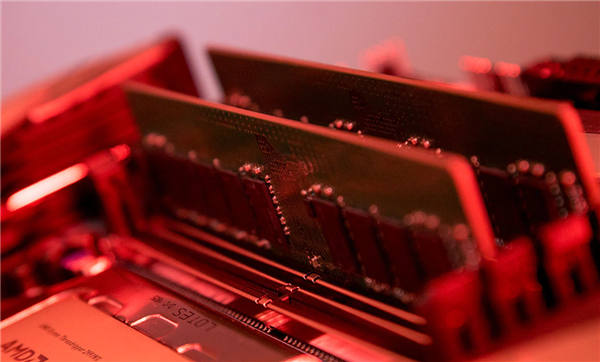
Tom’s Hardware confirmed from more than six sources at Computex 2026 that motherboard manufacturers and memory manufacturers are redirecting production capacity to the DDR4 platform to cope with the continued shortage of DDR5 and soaring prices, which have caused the PC installation threshold to continue to rise. In terms of motherboards, motherboard sales have collapsed this year, with some manufacturers falling as much as 37%. At least two manufacturers have confirmed that they are increasing production of DDR4-supported motherboards for the second half of the year and 2027.
Many manufacturers plan to refresh or re-release DDR4 motherboard products later this year. Many of them have been discontinued before, and their production lines have already been switched to other products. Now they need to reallocate production capacity to resume production.
One motherboard brand said its DDR4 platform sales achieved double-digit growth last quarter, and other manufacturers also reported a significant increase in demand.
In terms of memory, high-performance DDR4 chips such as Samsung B-die have long been discontinued, and most of the restarted DDR4 sets can only reach DDR4-3600.
However, the advantage of DDR4 is that it is easy to produce and does not require the advanced PMIC packaging required by DDR5, which helps alleviate the bottleneck of the current memory supply chain.
The main bottleneck of DDR4 is wafer allocation, which is also a common problem in the entire PC industry. Intel has even shifted wafer allocation to data centers to cope with the unprecedented demand for server CPUs.
AMD and Intel are also preparing for the return of DDR4. AMD's latest Ryzen 7 5800X3D 10th Anniversary Edition is not a limited edition. The company said it will continue to sell it as long as it is reasonable, and has adjusted the 5800X3D's hybrid bonding process to support longer-term production.
Intel continues to sell Raptor Lake and Raptor Lake Refresh processors and said it "will continue to ensure that there are products that support old memory technologies."
In addition, a motherboard manufacturer made it clear that it is increasing production of LGA 1700 motherboards that support DDR4 because related products on the market have gradually dried up.