A four-month-old African elephant was still in shock after being transported by a bumpy truck. It was afraid to approach the herd of elephants not far away. She broke into a tourist camp in northern Kenya alone earlier that day, where camp staff tied her to a tree out of good intentions and contacted a research team led by George Wittemyer, a professor at Colorado State University who has been studying elephants there for nearly three decades.
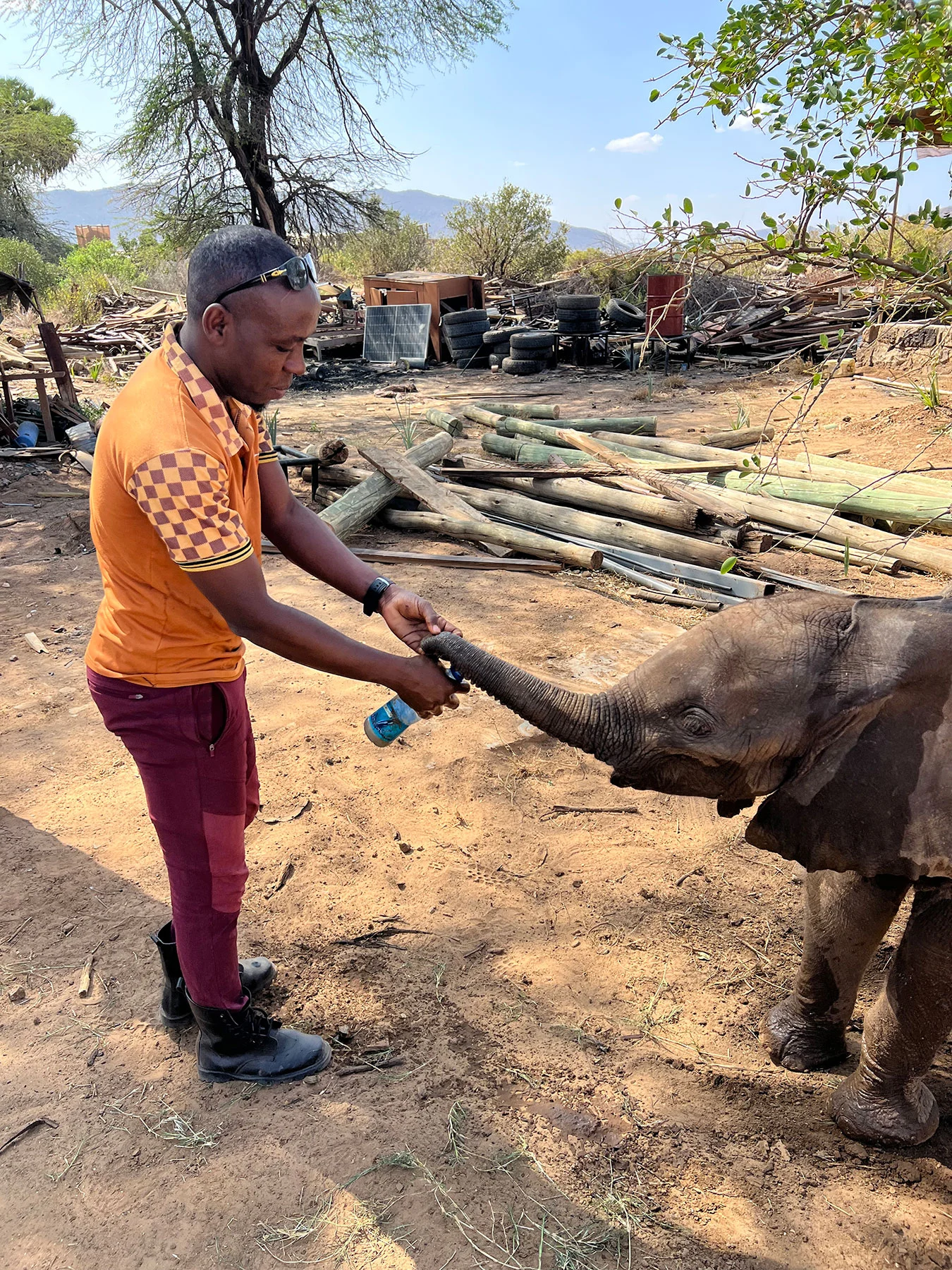
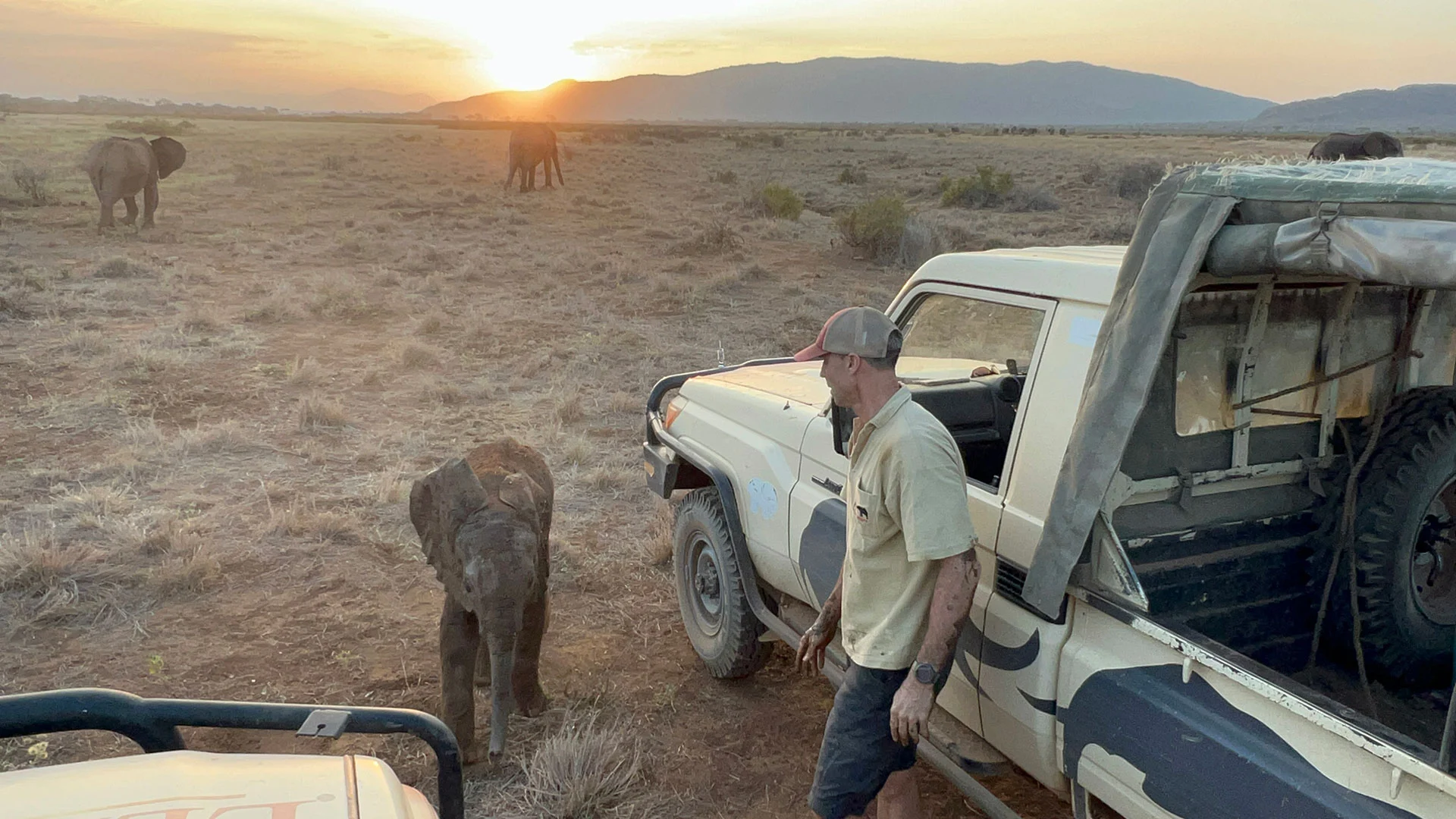
After receiving the call for help, Wittmeier's team launched an intense search in the Samburu National Reserve, hoping to find the elephant herd that had lost its cubs. After locking in the suspected elephant family, they transported the baby elephant near the elephant herd. The next key scene is whether the elephant herd can recognize and reaccept this "lost daughter". The researchers watched closely, waiting for the family's reaction.
Soon, the calf's aunt, a female elephant known to the research team as "Adelaide," discovered her. Adelaide called out, and the baby elephant immediately responded, and the "conversation" quickly spread among the elephants. The entire family then roared and roared, surrounding the baby elephant, and staged a typical "reunion ceremony." This kind of ceremony usually occurs after a long separation, showing the complex and deep family ties of the elephants.
The rescue interrupted the research team's original work arrangements for landscape protection, but they still fed the baby elephant water and cooled it with mud before escorting her back to the herd. Subsequently, researchers discovered the remains of the calf's mother in the wild and speculated that she died of natural causes. This also confirmed that the decision to return the calf to its original herd was correct. The whole process once again confirmed the exquisiteness of elephant social life and the richness of emotions.
Witmeier and his organization Save the Elephants have been conducting detailed monitoring in the Samburu National Reserve for a long time, recording the birth, death and complex social behaviors of elephants. It is this kind of long-term field research that allows the research team to identify lost elephant calves and accurately find their families. These accumulated data and experiences not only provide the basis for individual rescue, but also serve as the basis for the overall conservation of African elephants. Previously, they also discovered through research that elephants call their companions by "name" just like humans, which attracted global attention.
Witmeier said that elephants are highly social and maintain strong inter-individual bonds throughout their lives. It is these relationships that constitute the "social web" of elephant society and support their rich and diverse behaviors. His current research focuses on: the information contained in elephant vocalizations, leadership mechanisms within elephant herds, causes of elephant mortality, and how to protect migratory pathways connecting different groups in a rapidly changing landscape to strike a balance between development and conservation.
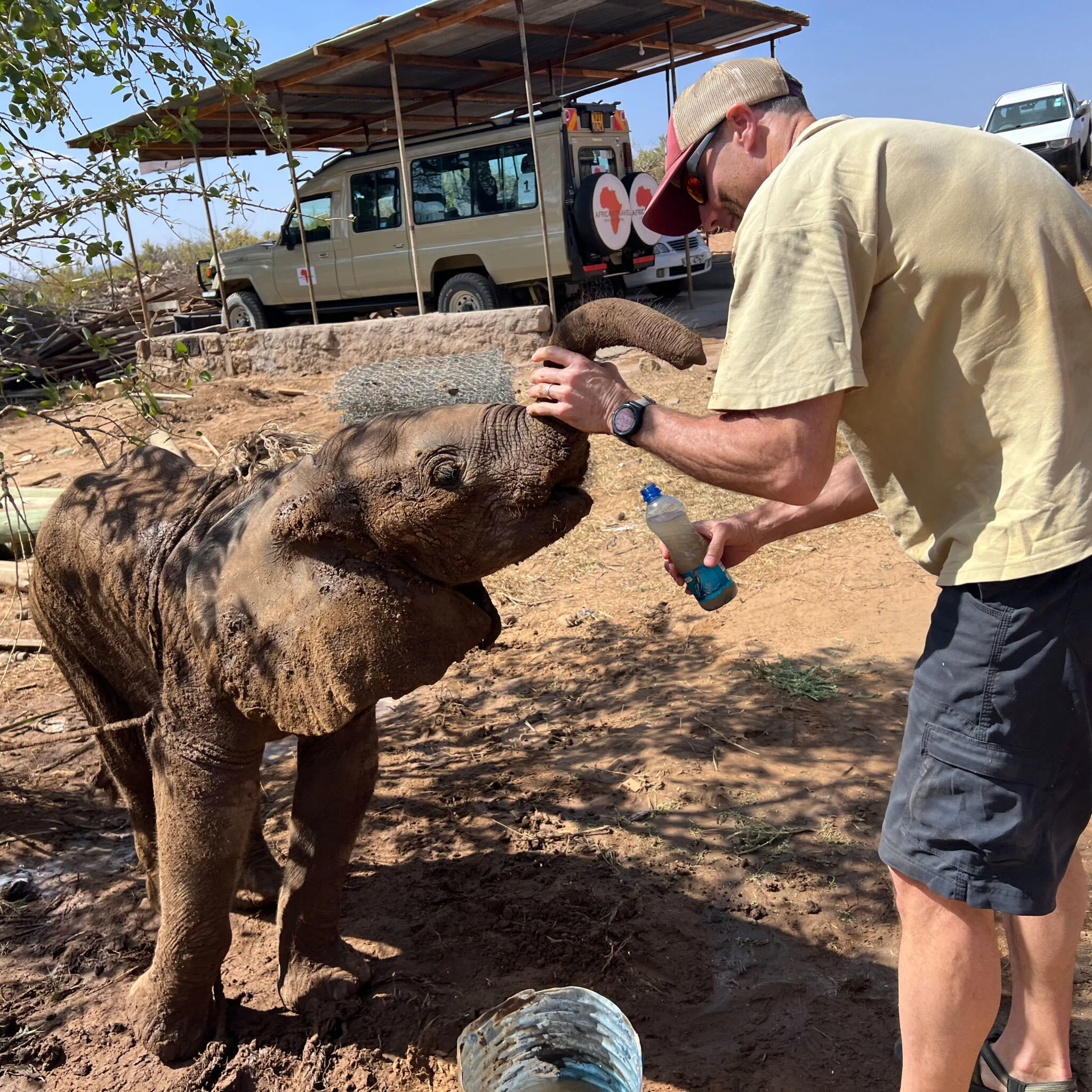
In a recent fieldwork, the team used drones to analyze the movement and leadership patterns of the herds and selected one elephant from each herd to wear a radio collar. Each collar is equipped with an acoustic recording device to collect the diverse and complex sounds of elephants to better understand the messages conveyed by elephants in different situations. These solar-powered collars are designed to automatically fall off after the four-and-a-half-year research period. However, due to harsh environments and daily wear and tear, collars often fall off prematurely, further increasing the challenges of field work.
Through long-term tracking, researchers mapped the movement routes of elephants on non-protected lands outside protected areas, identified areas that are particularly important to elephant survival, and provided scientific basis for regional planning and conservation decisions. Over the past two decades, they have found that elephant ranges are shrinking in areas where human populations are growing and land development is accelerating. This trend highlights the urgency of protecting key migration corridors and reducing human-elephant conflicts as soon as possible.
As the largest terrestrial mammals on earth, elephants need vast spaces to survive. At the same time, they may cause damage to farmland and infrastructure, and even endanger personal safety. Witmeier emphasized that with the expected growth of Africa's population in the next eighty years, to ensure the survival of elephants, planning must be based on landscape integrity and connectivity, while providing mitigation measures and coexistence solutions for communities living next to elephants to help people understand and appreciate the extraordinary lifestyle of these animals.
Witmeier is regarded as one of the authorities in the field of African elephant research and protection. He is a member of the African Elephant Expert Group of the International Union for Conservation of Nature (IUCN). He has long held meetings and consultations with government officials from many African countries to promote conservation policies against threats such as habitat loss, illegal hunting and ivory poaching. In addition to field work and policy advocacy, he teaches in the Department of Fish, Wildlife and Conservation Biology in the College of Natural Resources at Colorado State University. He is committed to allowing students to understand the overall operation from ecosystems to policy systems through courses, and thus won the school's "Best Teacher Award" in 2026.
Returning to the rescued baby elephant this time, she belongs to a family headed by the female elephant "Sylvia". More than ten years ago, Sylvia suffered a jaw injury due to a shooting. She also has another characteristic: she is often briefly separated from the elephant herd during seasons with severe environmental conditions. By the time the calf was returned, Sylvia had disappeared for about two weeks and it was later confirmed that she was likely dead. The close-knit family structure within the elephant herd played a key role. The calf's two aunts, Adelaide and "Markle", took over the care of the calf. Markle even breastfed the hungry calf after losing her own cub.
The morning after the reunion, the research team thought the story would end tragically. After the herd moved to higher ground, the calf was seen lying motionless in a depression in the river bed, and researchers feared she died during the night. However, about an hour later, the baby elephant woke up from its sleep and started calling, to which the family responded. Adelaide led the herd back to the river bed, surrounded the calf, and then accompanied her up the river bank. This scene visually demonstrates the social intelligence and emotional delicacy of elephants, and further strengthens the research team's belief in continuing to understand and protect this species.
According to Witmeier, elephants are among the most "sentient" and most relatable animals on earth, but their huge size means higher demands on space and resources. "Only with determination and foresight can humans ensure the survival of elephants, and I believe we can do that," he said. The story of the lost baby elephant finally being reunited with his family is a vivid portrayal of the intertwining of elephant family ties, long-term scientific research and large-scale landscape protection.