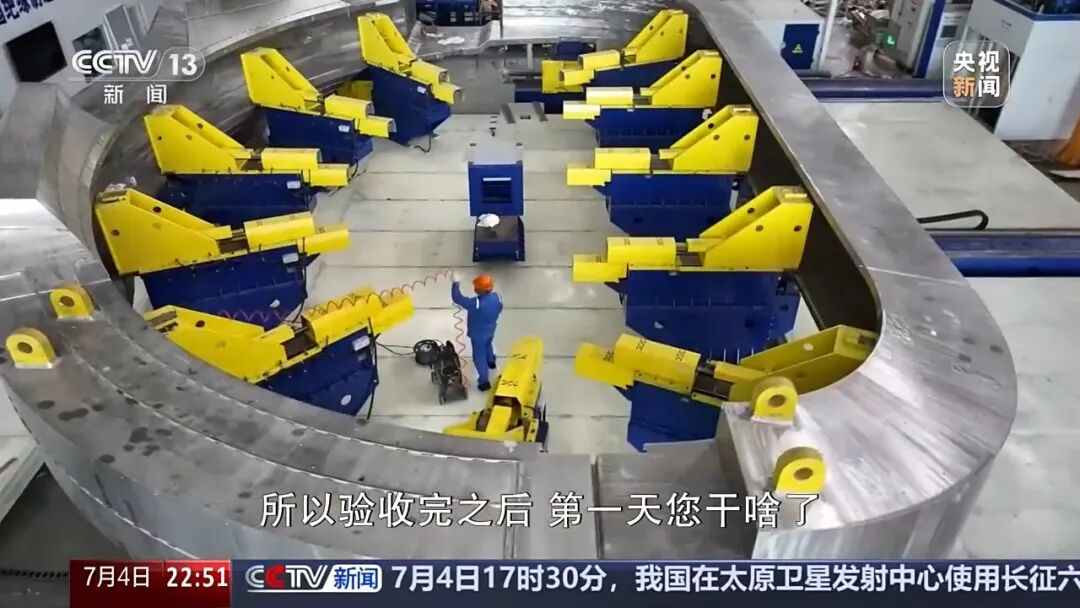
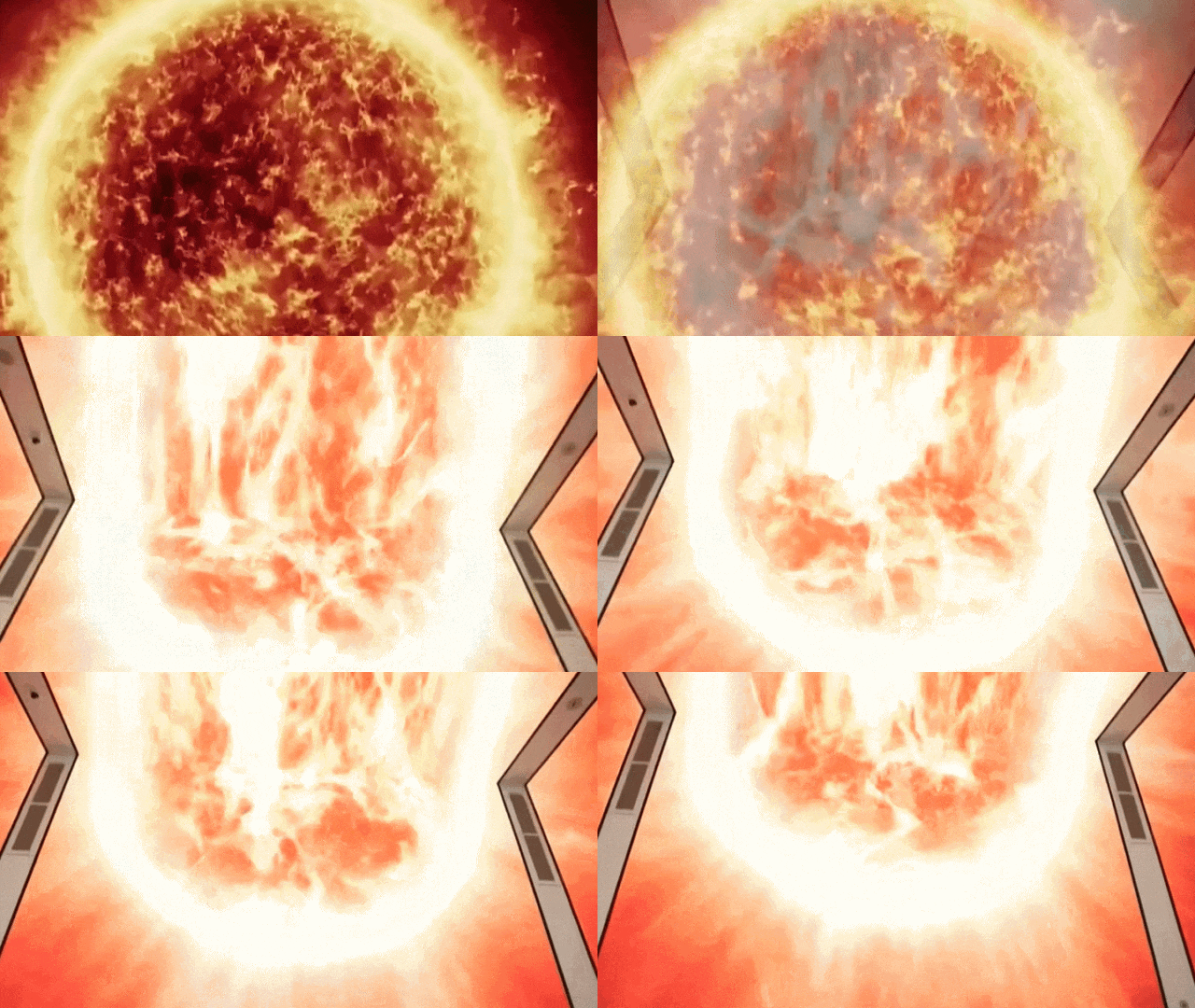
Controlled nuclear fusion, known as the "artificial sun", has made significant progress.On June 27, two superconducting magnets for nuclear fusion reactors independently developed by my country completed technical acceptance and full working condition parameter testing. Among them, the high-temperature superconducting central solenoid coil is a key part of the compact fusion experimental device.The device is planned to be completed by the end of 2027, and around 2030, it will demonstrate the first generation of electricity using nuclear fusion.
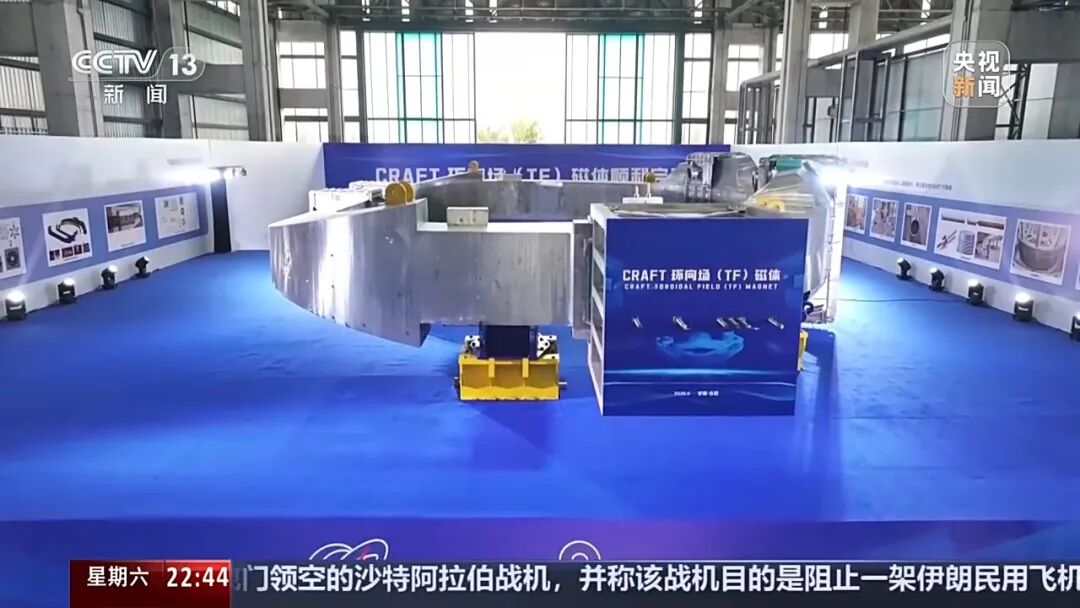
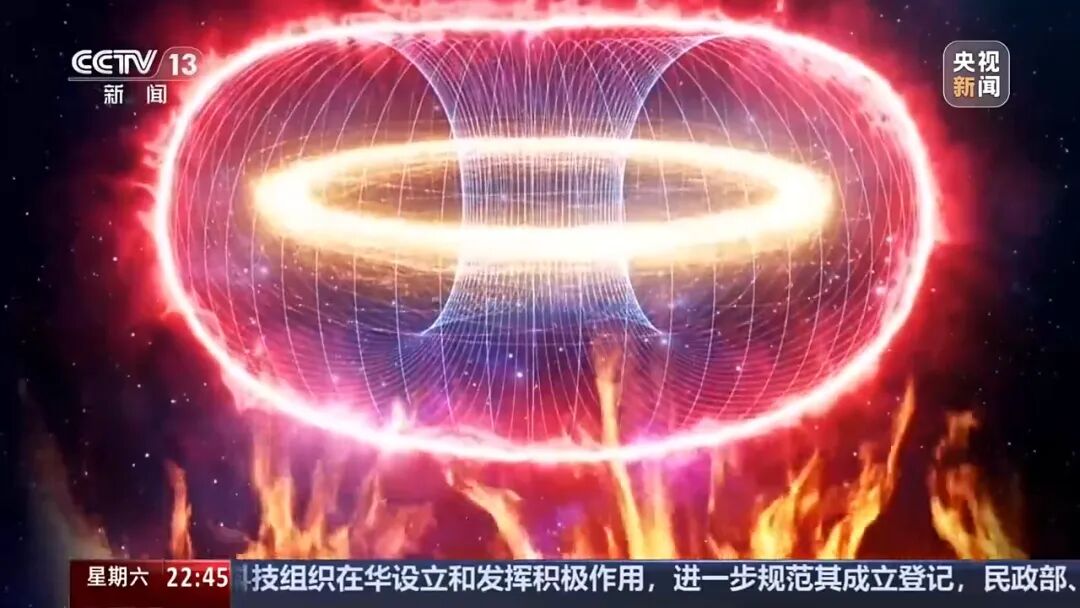
To simulate the mechanism of energy release inside the sun, artificial sun requires heating the fuel to hundreds of millions of degrees Celsius. However, no material can withstand such high temperatures for a long time. For decades, the main method used by scientists is to use strong magnetic confinement to "hold up" the plasma so that the fireball does not hit the wall or extinguish. What the team has to do is to create this key component of the "artificial sun".
According to the current mainstream path, controllable nuclear fusion mainly uses "deuterium", a light atomic nucleus extracted from seawater, as fuel. The fusion energy of one liter of seawater is equivalent to 300 liters of gasoline, and it produces almost no radioactive nuclear waste and no carbon emissions. The Earth's oceans contain approximately 45 trillion tons of deuterium, the fusion raw material, which can sustain human development for billions of years at the rate at which humans consume energy. Therefore, the world's major developed countries have set their sights on "artificial sun", which has become a must-win technology.
reporter:You built this cage, both tangible and intangible.
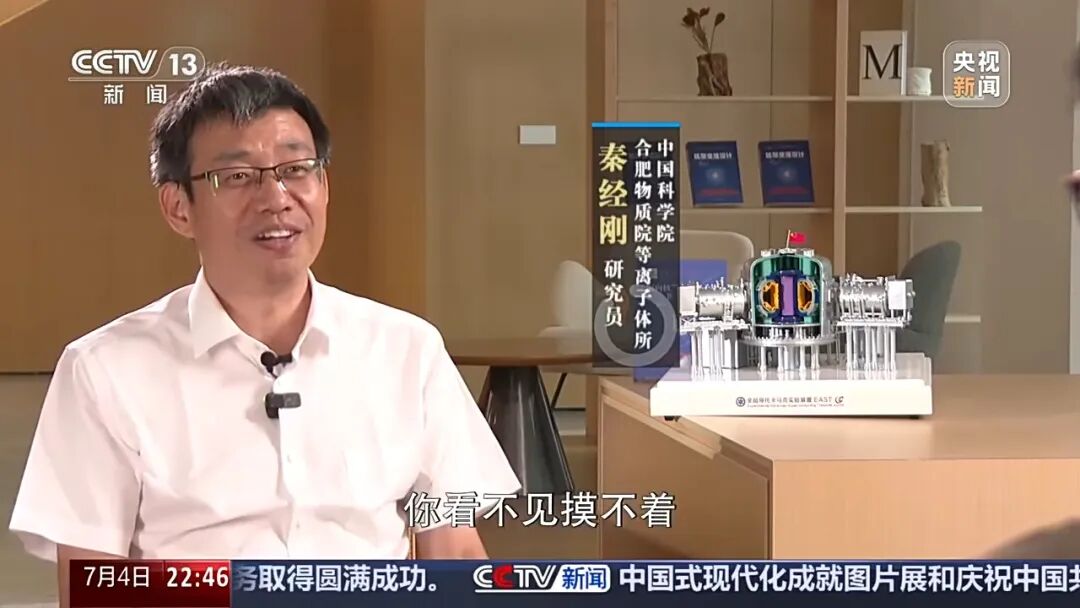
Qin Jinggang, researcher at the Institute of Plasma, Hefei Institute of Materials Science, Chinese Academy of Sciences:The tangible thing is its shape, the intangible thing is the magnetic field, which you can’t see or touch.
reporter:Being able to control these, is this the legendary magic?
Qin Jinggang:Yes, similar to magic.
The magic, falling into your hands, is a thin high-temperature superconducting strip. The superconducting layer in the middle that actually works is only about one micron. It is machined, twisted, stuffed into steel tubes, and extruded into shape. When a wire bends over, it seems to just change its shape, but in fact it undergoes stretching, compression, and twisting at the same time. If any process is out of control, it may become useless.
Six years ago, the task Qin Jinggang received had only a general framework. There are two requirements: improve performance and lower price. At that time, it was still unknown how the design would be determined and where the materials would come from.
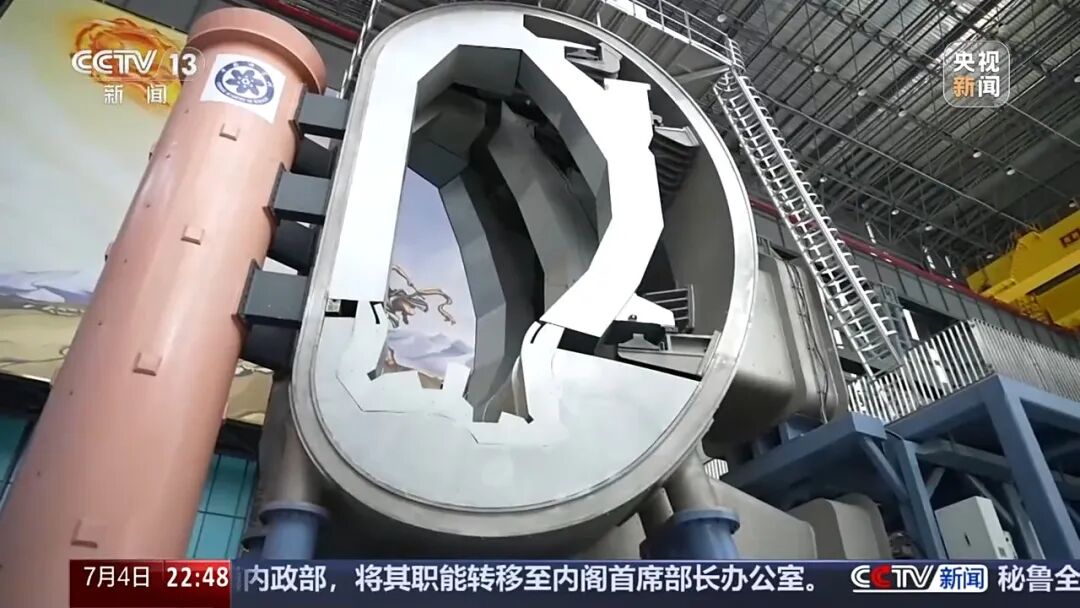
After six years of hard work, the magnets tested this time have been 100% domestically produced, from raw materials and structures to equipment and processes. The cost has also changed accordingly. The same superconducting material once cost 400 yuan per meter, but now it has dropped to 100 yuan.
More importantly, the weight, size and energy storage of this coil far exceed the previous specifications, with a single coil rising from 350 tons to 580 tons.This means that the energy of the "artificial sun" will be greater in the future.But for Qin Jinggang, passing the test this time is far from the end.
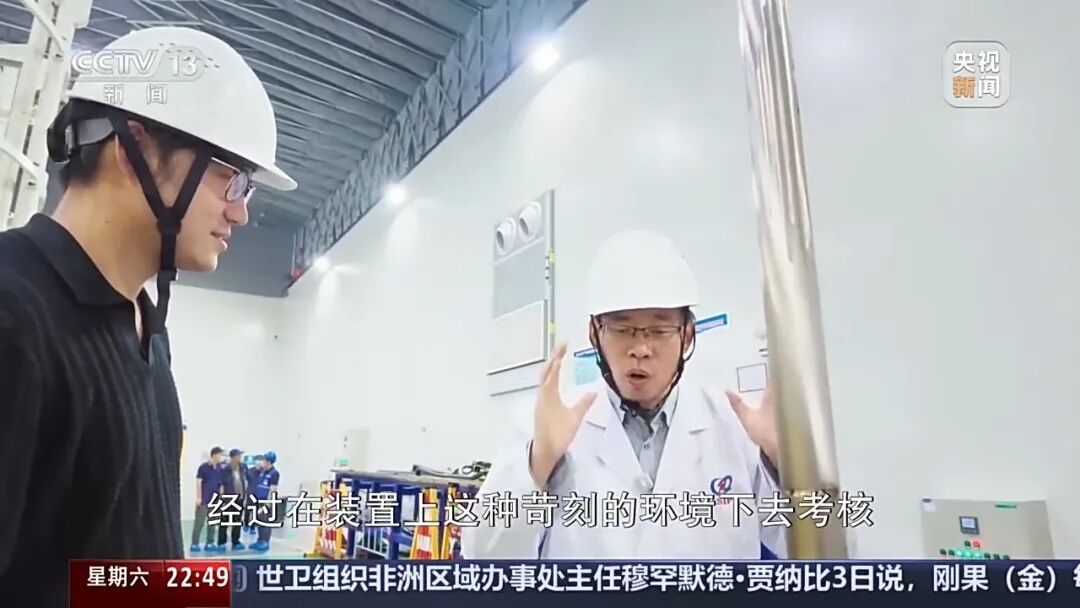
Qin Jinggang:Counting what I just said, it is to verify the feasibility from material design to process. This coil can be used in devices. However, from the perspective of real high-temperature superconductivity, especially the application of high-temperature superconductivity in fusion, I personally think that we have only gone 80% of the way. The remaining 20% is to use the coil in the device to evaluate its service stability and lifespan in harsh environments. Only if the assessment is passed, I think the road to high-temperature superconductivity will be 100% complete.
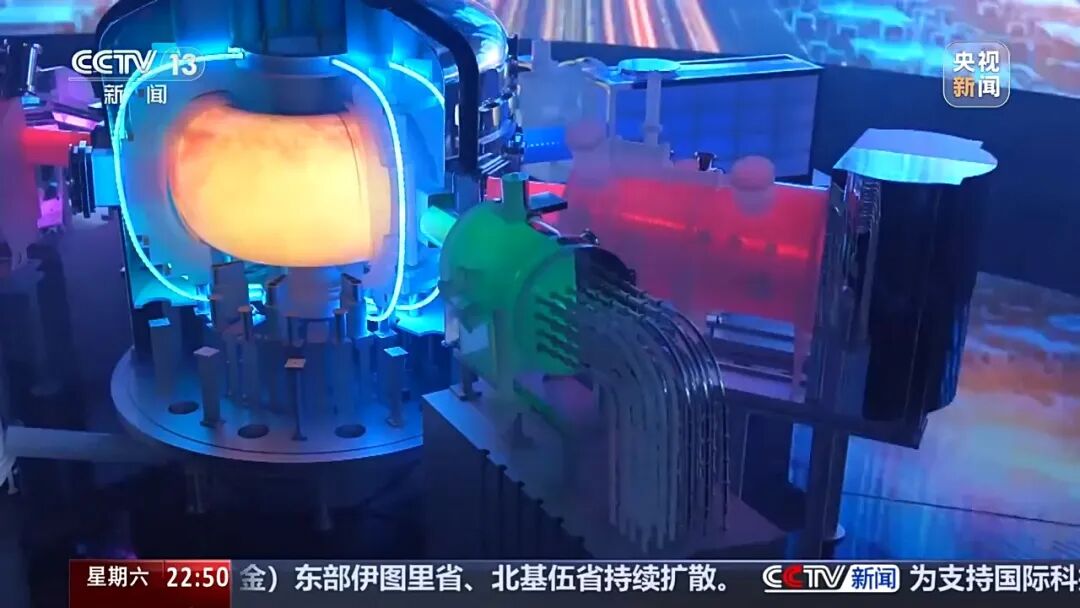
In recent years, China’s “artificial sun” has been accelerating the refresh schedule. In January 2025, the fully superconducting tokamak experimental device "Eastern Super Ring" achieved steady-state operation of 100 million degrees Celsius plasma for 1,066 seconds, setting a new world record.This breakthrough in superconducting magnets has completed the most difficult component in the nuclear fusion engineering chain.Behind it is the efforts of several generations since the 1980s.
reporter:So after the acceptance, what did you do on the first day?
Qin Jinggang:After the acceptance check on the first day, I seemed to have stayed in the office for two hours, silently recalling the process from the beginning to the present.
Qin Jinggang:There are only about 20 people in the entire team, and there should be 8 women.
Qin Jinggang:Looking back on the past, we actually enjoyed this process. We became more and more courageous with every setback. Especially after this experiment was completed, everyone became more confident. All the hard work, all the sweat, and even all the tears we have put forward have not been in vain.
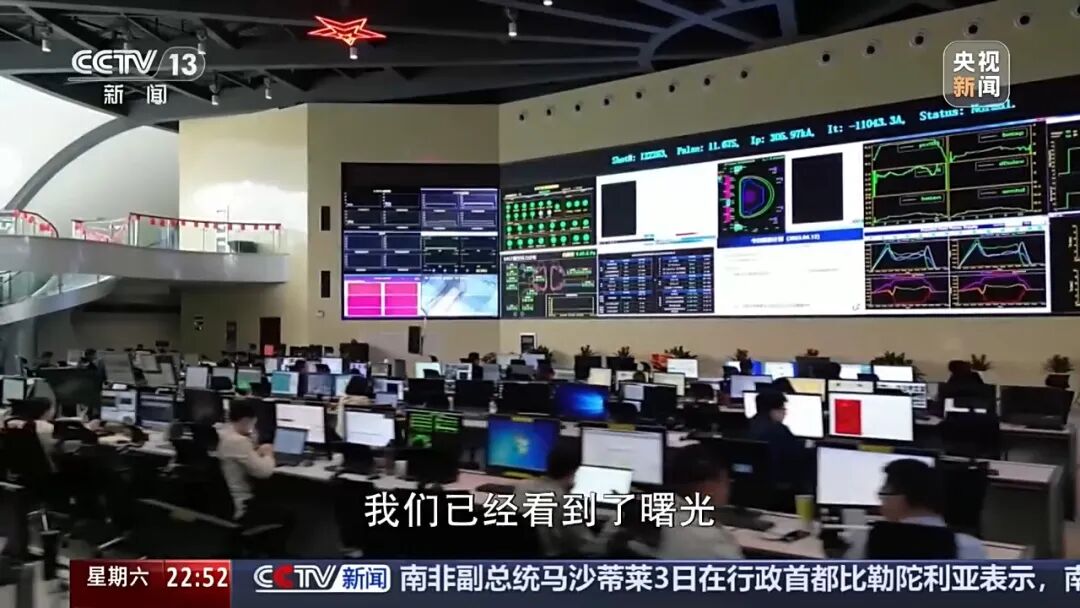
Qin Jinggang:Every time I give a report, others say it will take 50 years. When will it be realized? 50 years and 50 years later, it is true that nuclear fusion is indeed difficult. But after so many years of development, we have seen the light.Therefore, we want to be able to generate the first kilowatt-hour of electricity in 2030 according to the current target.
Qin Jinggang:I believe that this will definitely not have to wait another 50 years. In the future, for example, if we call it a demonstration reactor or even a commercial reactor, we will have to do it step by step.