NATO Secretary-General Mark Rutte announced the launch of the "NATO Drone Edge" initiative, which plans to invest more than $40 billion in the next five years to develop counter-drone capabilities. The major adjustment in the direction of NATO's defense investment is directly affected by the Ukrainian army's recent large-scale long-range drone attacks on targets deep in Russia.
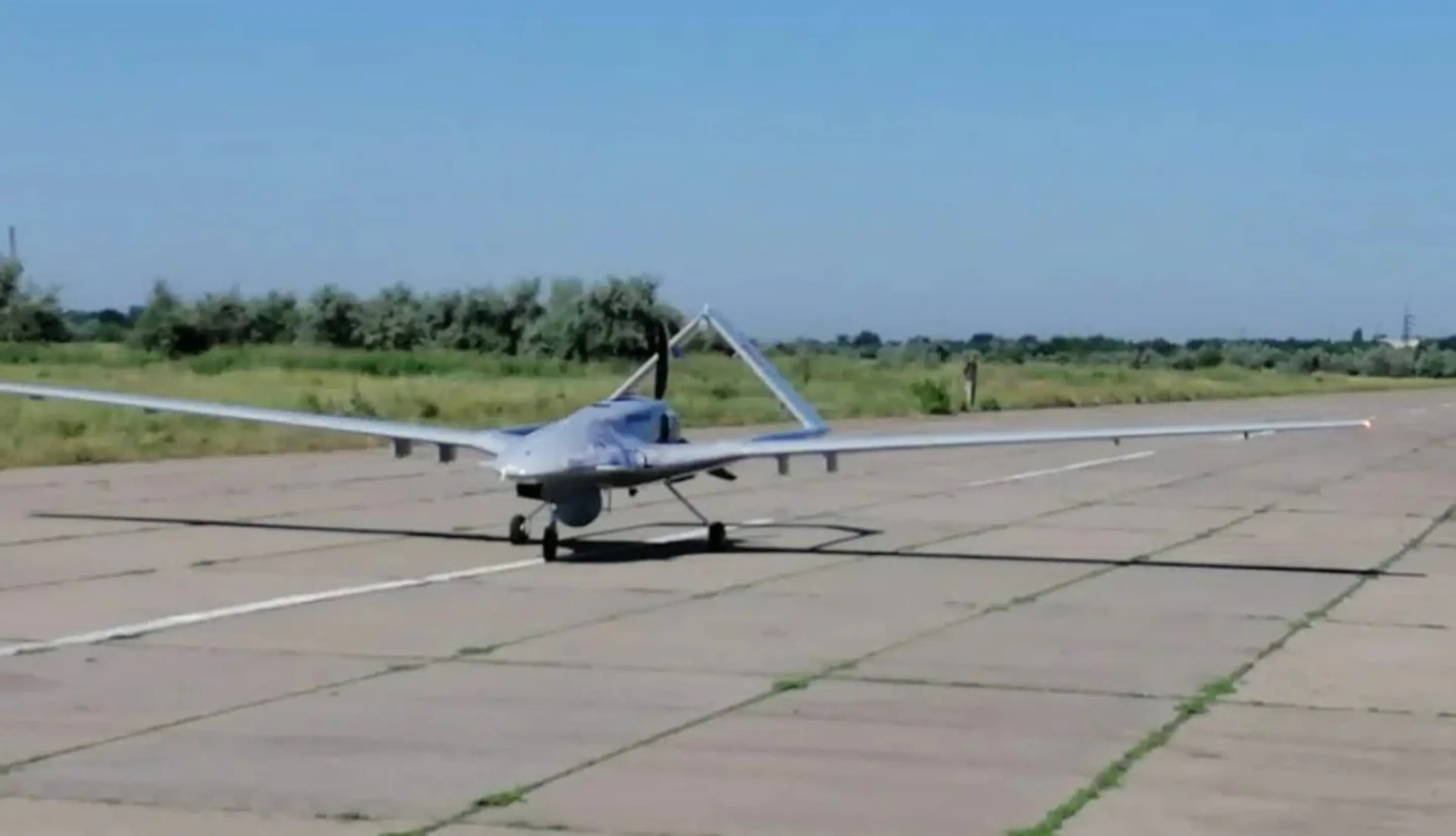
News facts indicate that Ukraine has recently significantly escalated its long-range attacks against Russian energy infrastructure and military assets. On July 6, local time, a core oil refinery in Omsk, Russia, was attacked by a Ukrainian drone and caused a fire. Ukrainian President Zelensky later issued a statement confirming that the Ukrainian army’s upgraded drone combat radius had successfully covered Siberia. Defense experts pointed out that the refinery is nearly 2,500 kilometers away from the Ukrainian mainland, marking this as one of the most profound and deep strikes carried out by the Ukrainian army on the Russian mainland since the Ukrainian crisis escalated.
Analysis by international military observers and defense scholars pointed out that the accelerated application of drone technology on the Ukrainian battlefield is profoundly reshaping the form of modern warfare and promoting the transformation of combat modes into autonomous, networked and data-driven. Bob Tollas, a land warfare researcher at the Royal United Services Defense Institute (RUSI), pointed out that the Ukrainian military has greatly enhanced the anti-jamming resilience of UAVs in environments where satellite navigation is blocked by increasing independent production and improving inertial navigation, software and machine vision technology. Although Russia deploys air defense towers, drone interception nets and other means to defend itself, Russia is facing continued air defense pressure on its rear as Ukraine's domestically produced "Flamingo" and other cruise missiles are put into the battlefield and suppress Russian industry and air defense production capacity. Finnish President Alexander Stubb said that the Ukrainian army’s continued attacks on Russian refineries have reduced their production capacity and export capabilities by nearly 40%, which is gradually affecting Russia’s strategic decision-making.
Ukraine’s asymmetric innovations in the fields of drones and anti-drone systems are reversing its passive position at the traditional military level, which in turn affects NATO’s military spending planning. NATO Secretary-General Rutte emphasized that drones have fundamentally changed the nature of modern warfare and become a "decisive factor" on the battlefield. NATO is learning from actual experience in the Ukrainian battlefield and uniting the defense industries on both sides of the Atlantic to accelerate the construction of an "alliance ready for drone operations." Ulrike Franke, a senior policy researcher at the European Council on Foreign Relations (ECFR), bluntly stated that Ukraine currently possesses drone countermeasures technology and core actual combat data that NATO allies lack, and is gradually gaining more say in bilateral relations with allies, and should no longer be regarded simply as a passive recipient of military assistance.
Global industry analysts pointed out that this agile supply chain model, which is led by start-ups and completes iterations within weeks based on battlefield feedback, is posing a challenge to the years-long R&D cycle of traditional defense giants. Loredana Muharremi, an analyst at financial institution Morningstar, predicts that this change in the shape of warfare will bring intensive order growth to related defense companies in the next two to three years, and will make a substantial contribution to industry revenue from 2028. At present, international geopolitical mediating forces are also fermenting simultaneously. U.S. President Donald Trump had phone calls with the leaders of Russia and Ukraine this past weekend, and publicly stated on July 6, local time, that the resolution of the Ukrainian conflict was "closer than outside expectations."