Electric aerospace company Beta announced on Friday that it has completed its first test flight in the U.S. government’s all-electric vertical takeoff and landing (eVTOL) pilot program, which aims to make the vision of flying cars a reality. The Amazon-backed aerospace company said the test flights transported artificial organs for United Therapeutics between airports in Maryland and Virginia, covering a total distance of approximately 275 nautical miles.
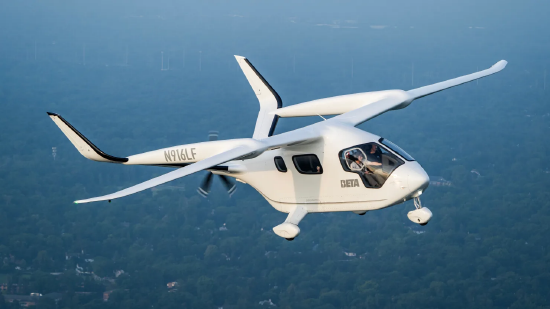
"Today's successful mission paves the way for future routine medical applications via electric flight across the country at a much lower cost," said Beta CEO Kyle Clark.
For years, the industry has touted flying cars as a solution to traffic congestion, with applications including medical, freight and defense. Beta is one of a number of electric air taxi manufacturers vying to gain certification from the U.S. Federal Aviation Administration (FAA) and begin commercial passenger operations. Due to the difficulty of certification, the relevant timetable has been repeatedly postponed.
The eVTOL pilot project launched by U.S. President Trump through an executive order last year has brought opportunities to accelerate approval.
The pilot program, led by the Department of Transportation and the FAA, spans 26 states and covers eight specific projects. Beta is the most actively involved company and can be seen in seven projects. The government initially said testing would begin this summer.
Beta’s eVTOL aircraft is expected to be certified in 2028. The company also produces a conventional take-off and landing aircraft that is expected to be the first to receive certification in 2027.
Beta's stock price has lost about half of its market value since its IPO in November.
Enthusiasm for investment across the industry has cooled significantly. Joby and Archer Aviation have each seen their share prices fall by more than a third this year. Britain's Vertical Aerospace has lost 68% of its market value. Some companies are also embroiled in fierce legal battles.