Due to the explosive growth in demand for artificial intelligence (AI) and high-performance computing (HPC) chips, Taiwan Semiconductor Manufacturing Company (TSMC), the world's leading semiconductor manufacturer, is facing unprecedented production capacity challenges. According to the latest industry news, because TSMC’s proud CoWoS advanced packaging production capacity is extremely short of supply, the huge supply and demand gap is leading to the overflow of a large number of advanced packaging orders. This situation directly led to order bonuses for its competitor Intel and many major Taiwanese packaging and testing manufacturers.
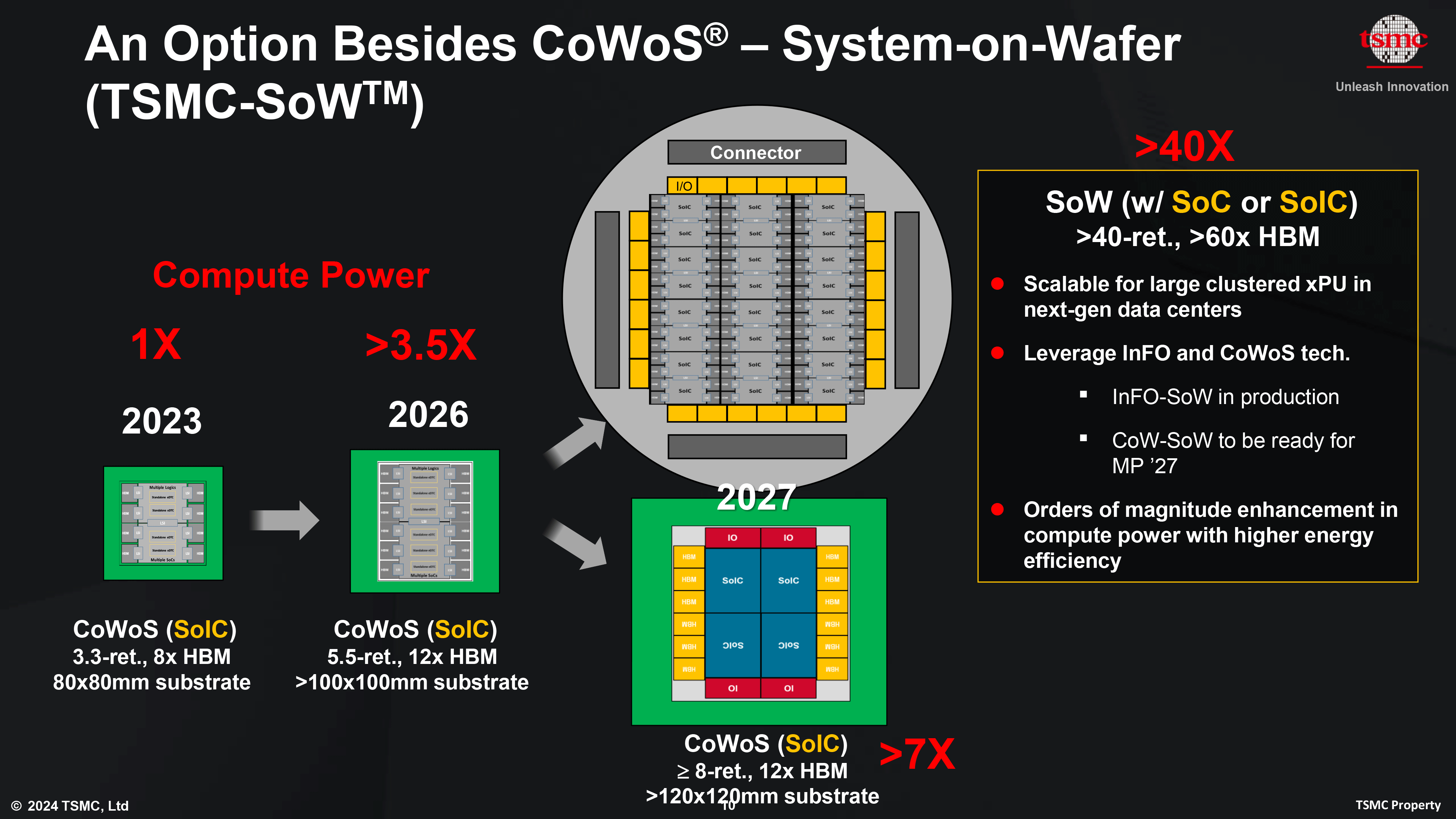
As the world's leader in advanced packaging, TSMC's CoWoS (Chip-on-Wafer-on-Substrate) technology has been the first choice for technology giants such as NVIDIA, AMD and Amazon AWS for many years due to its first-mover advantage. However, as the demand for high-performance chips for global AI deployment is soaring, existing bottlenecks in the supply chain mean that TSMC cannot fully satisfy the market appetite even if it is operating at full capacity. At present, core customers including NVIDIA have even begun to book in advance future production capacity that TSMC has not yet built.
Against this background, the competitive landscape in the chip foundry field is quietly changing. Intel is currently vigorously promoting its advanced packaging business with the active support of the US government, and plans to rely on its EMIB packaging technology that has more advantages in some technical indicators to compete for the world's second largest advanced packaging supplier. More supply chain news revealed that Nvidia is expected to transfer advanced packaging orders for its next-generation Feynman architecture GPU to Intel to take advantage of its upgraded EMIB technology.
In addition to Intel, Taiwan's local packaging and testing industry chain has also benefited greatly from this wave of order spillover effects. Major packaging and testing companies including ASE, SPIL, Powertech and KYEC are actively accepting diverted orders.
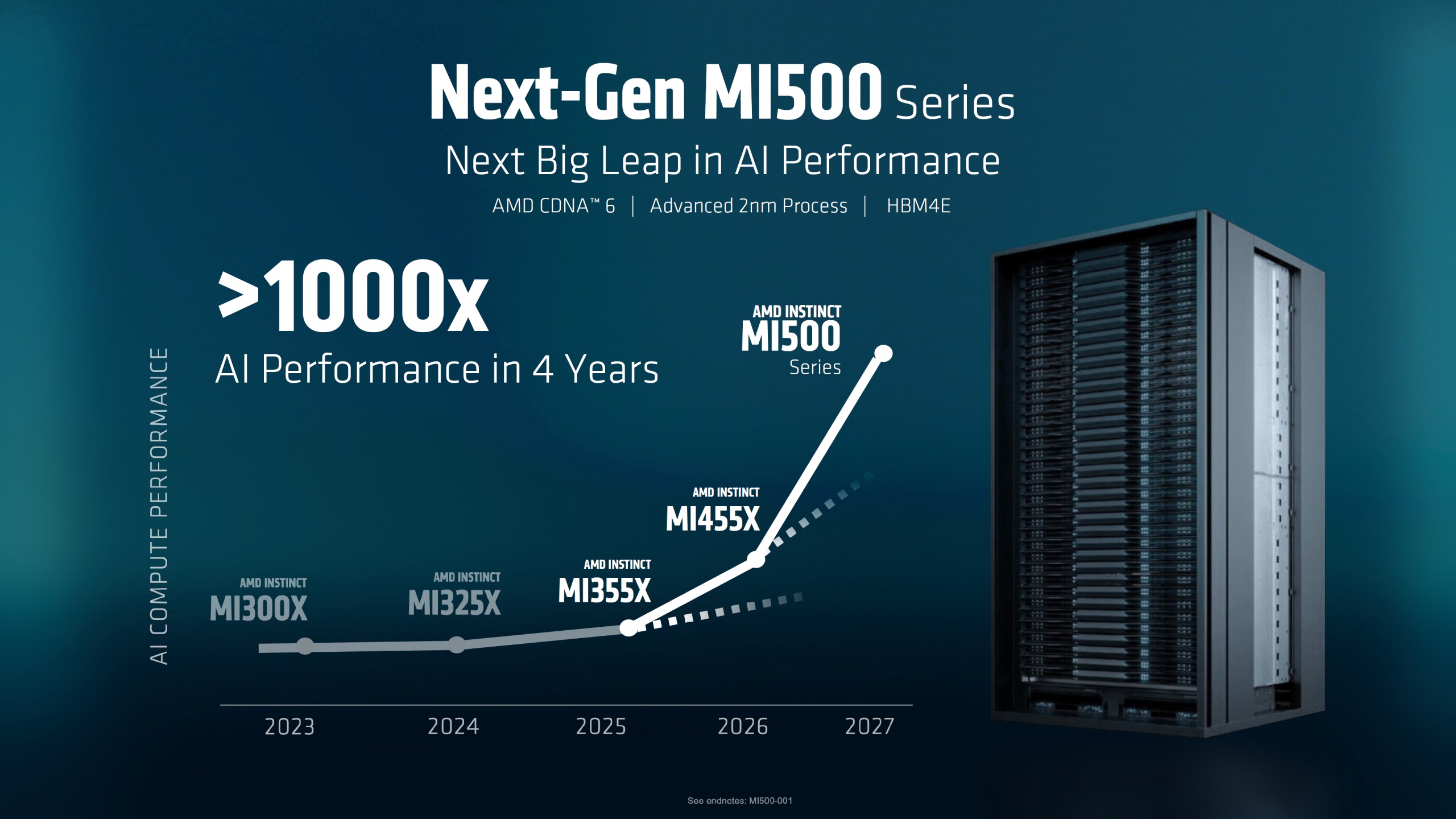
Facing a huge market that cannot be satisfied, although TSMC has received generous returns due to factors such as rising wafer prices, production capacity pressure is still imminent. Currently, TSMC operates five advanced packaging and testing plants in Taiwan, located in Hsinchu Science Park, Nanke, Longtan, Zhongke and Zhunan, and is also stepping up the construction of more new plants internally. In addition, as part of its ambitious "12-factory expansion plan", TSMC has also planned to build two packaging plants in Arizona, USA.
Industry analysts point out that although a large number of order spillovers may allow competitors to take advantage of the opportunity to grow, this diversion will also help TSMC in the short term to focus its core energy on high-end customers with higher profit margins and the core manufacturing process. However, how to quickly expand production to prevent core customers from completely switching to competitors due to production capacity issues is still a serious issue that TSMC must face now.