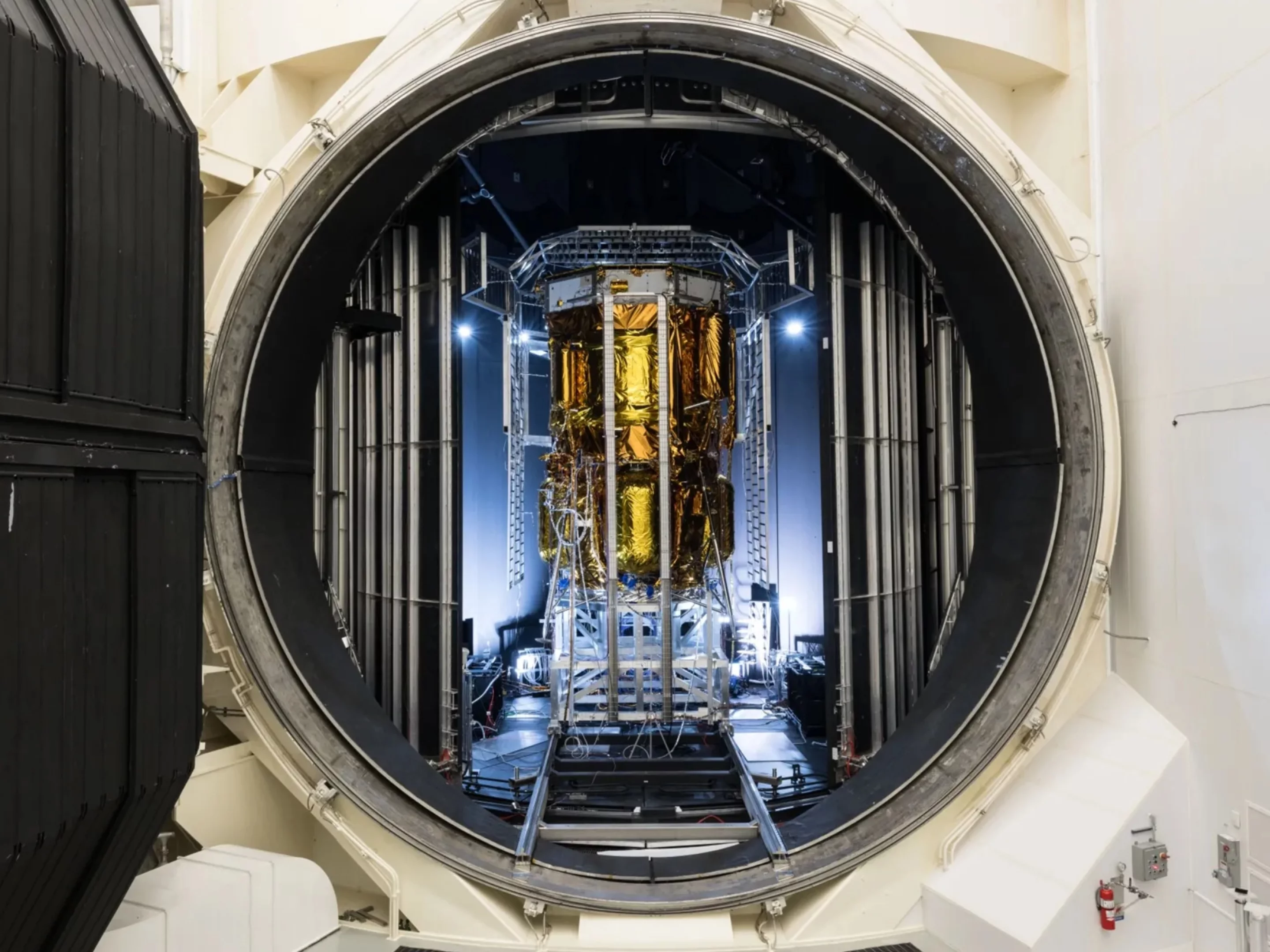
After the explosion of the New Glenn rocket in May this year, Blue Origin is fully engaged in post-disaster repair work and is trying to introduce a new launch operation concept to achieve a relaunch of the rocket within the year, hoping to reverse the market's previous pessimistic expectations that the project may stall for a long time.
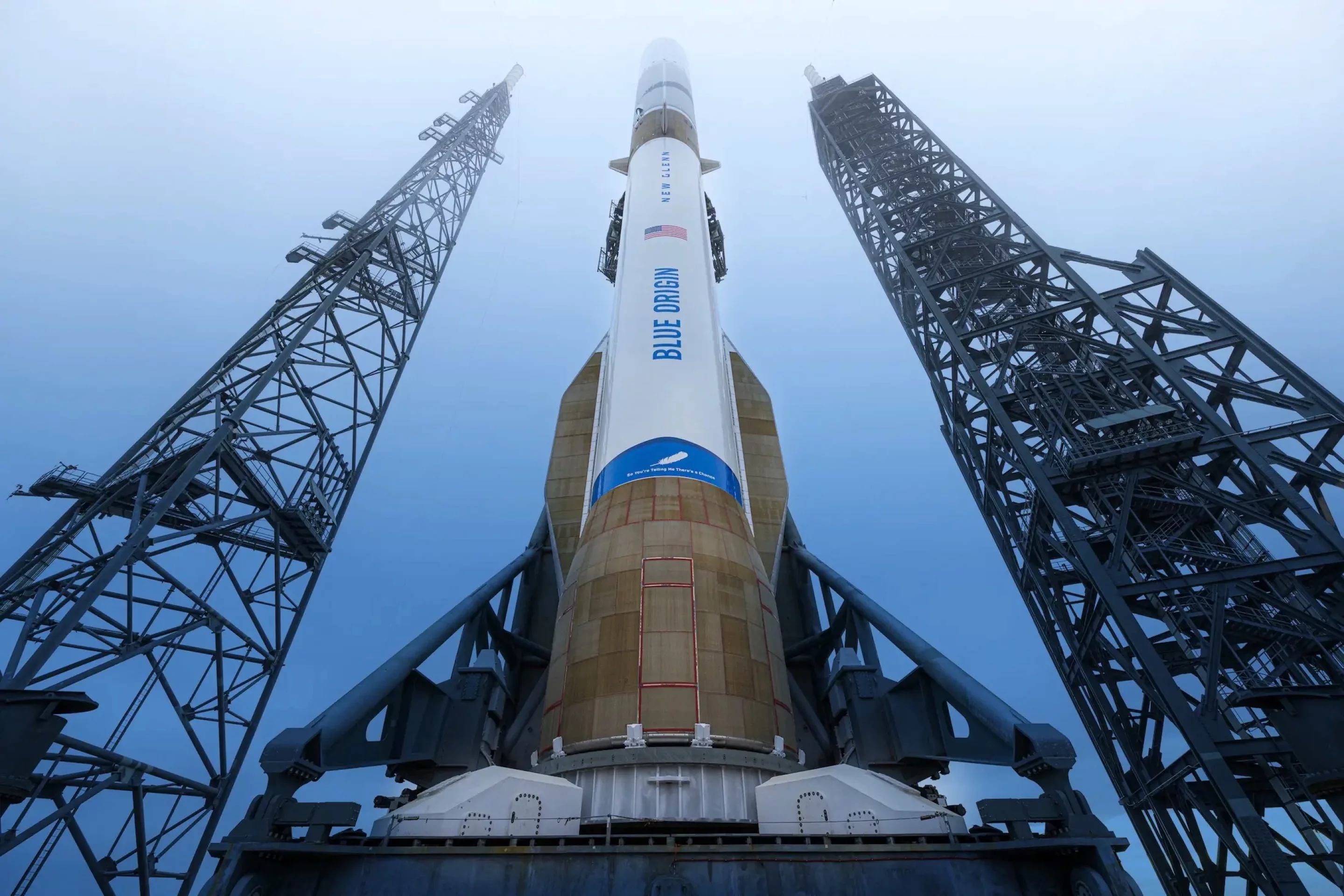
In the accident on May 28, Blue Origin’s 36A launch pad at the Cape Canaveral Space Force Base in Florida suffered heavy damage, and important infrastructure including lightning towers, transport erection devices, and critical hydraulic systems were destroyed. Despite the heavy losses, company CEO Dave Limp said in a recent statement that the crisis also provided the company with an opportunity to directly upgrade the launch process.
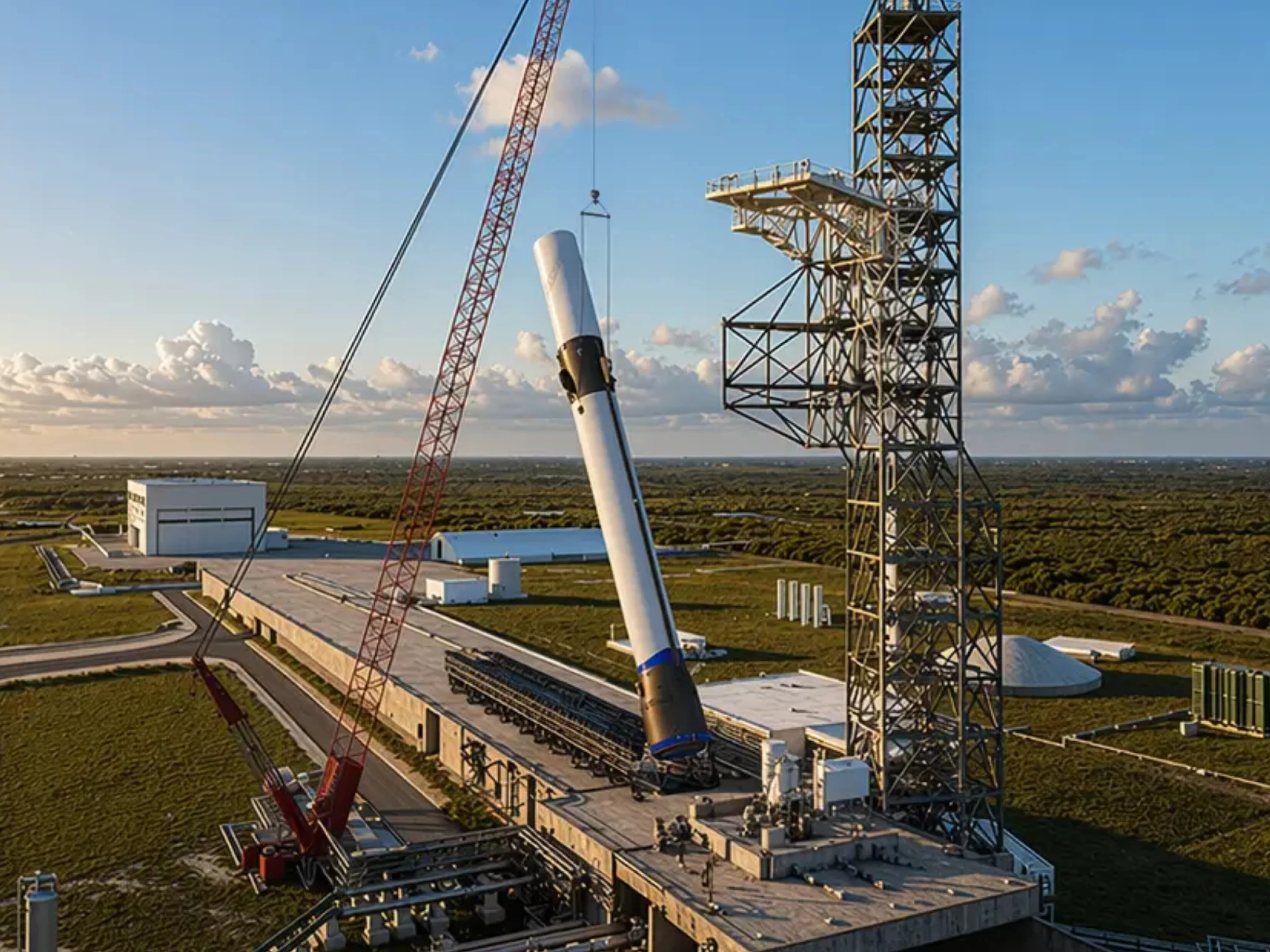
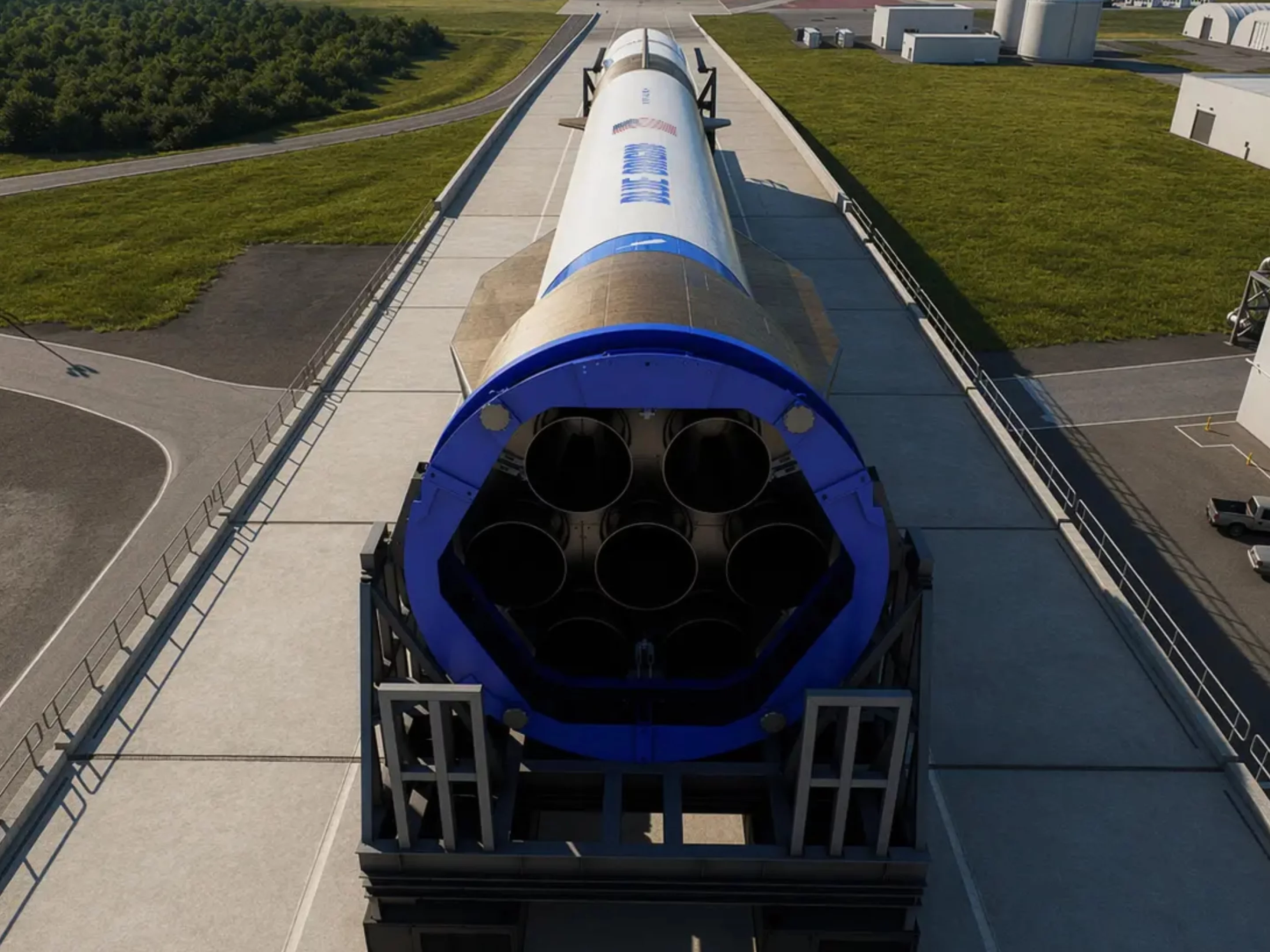
Blue Origin plans to abandon the original all-horizontal launch operation process and instead adopt a new operating concept called "horizontal/vertical hybrid". Under this new model, although the first and second stages of the rocket will still be docked horizontally in the integration facility, when they are subsequently transported to the launch pad, they will be transported by a special transport vehicle and vertically erected using a crane with a special flip function. It is reported that this plan was originally designed for the future heavier 9X4 configuration New Glenn rocket. This accident objectively accelerated the deployment of this technology. In addition, the company already owns a heavy-duty port crane used to recover rockets on the Jacklin barge, which will further assist the rapid implementation of this new solution.
The rapid return of New Glenn is of great significance to NASA's Artemis program. With SpaceX's Starship human landing system making slow progress, Blue Origin is seen as a key supplement to maintaining the rhythm of the lunar exploration program. As planned, New Glenn will carry out an unmanned mission carrying the Mk 1 lunar lander this year, aiming to verify the core technology of its manned lander. Although some industry insiders have reservations about returning to flight within the year and believe that rebuilding complex infrastructure will be extremely difficult, NASA Administrator Jared Isaacman recently acknowledged Blue Origin’s repair progress and reiterated that New Glenn is still the preferred option for carrying out the Mk 1 mission this year.