According to "Business Insider", the honeymoon period of SpaceX's IPO is over. Five weeks after the company's record-breaking debut, about $1 trillion has been wiped out of its market value, and the sell-off shows no signs of abating. The stock fell below its IPO price of $135 for the first time on Wednesday, hitting $132.75 before rebounding to close above the issue price. But it failed to regain its losses on Thursday, closing at $131.11 - closing below the issue price for the first time, and fell another 5% on Friday. Before noon EST, the stock had fallen below $125.
This means that since the first day of listing, the market value of this rocket and AI company has evaporated by approximately US$320 billion, a cumulative decline of approximately US$1 trillion from the high on June 16.
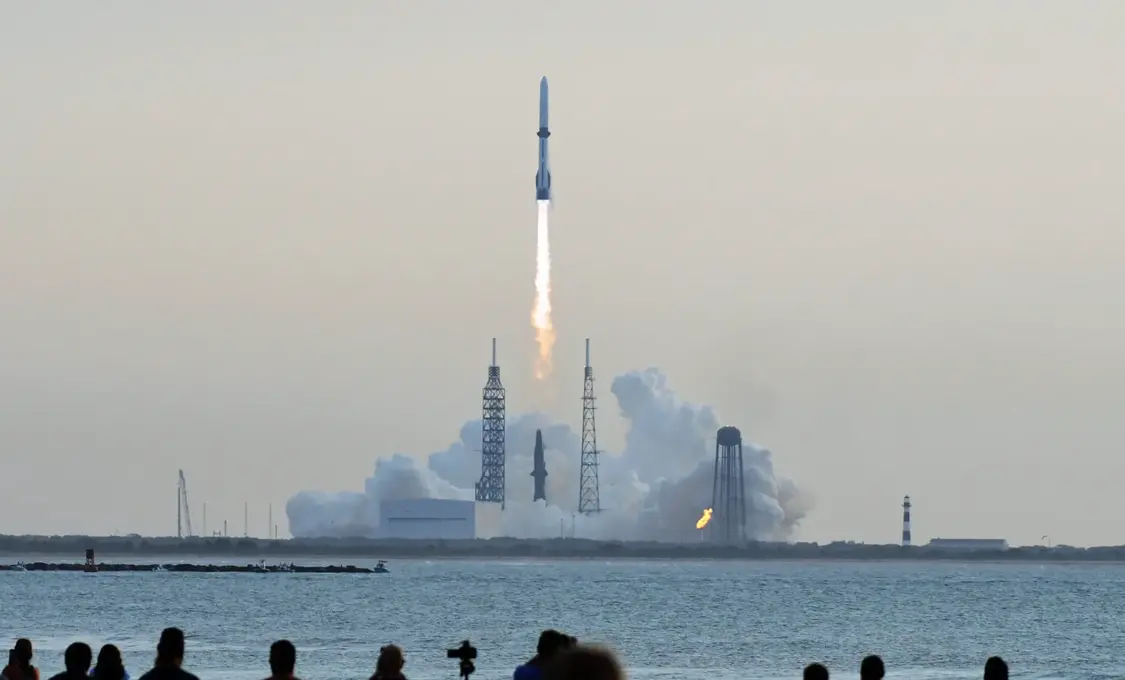
The latest round of declines comes after SpaceX canceled its first Starship launch since the launch, scheduled for Thursday from a Starship base in Texas.
"Part of the engine failed to start, triggering an automatic launch abort," CEO Elon Musk said in a post on X, adding that the company would try again with a target launch window of "early next week."
SpaceX completed its IPO on June 12, raising over US$85 billion, making it the largest public listing in history. The stock rose for several days after listing, then began a steady retreat.
Thursday's launch cancellation was supposed to be a comeback for Starship after the upgraded V3 rocket's first flight in May ended in a booster accident.
Starship carries an important part of SpaceX’s future plans. This fully reusable rocket is designed to launch the next generation of Starlink satellites, and NASA has also signed an improved version of it for use on lunar landing missions under the Artemis program.
The upcoming lifting of the lockdown period is also weighing on share prices. Rank-and-file employees and some early investors are expected to sell 911.5 million shares shortly after SpaceX's first quarterly report, expected in August, the first in a series of unblockings in the coming months.
The decline means investors who bought at the issue price are now at a loss.