The Permian-Triassic extinction event 252 million years ago is known as the most tragic "mass extinction" in the history of the earth. It caused the disappearance of 96% of species in the ocean and 70% of animals on land. Its destructive power far exceeded the disaster that later wiped out non-avian dinosaurs. Recently, a research team led by Stanford University published a latest study in the Proceedings of the National Academy of Sciences (PNAS), solving a mystery in this ancient disaster that has long puzzled the scientific community:Why have some species that once dominated the oceans for hundreds of millions of years almost disappeared, while molluscs such as clams and snails that are common today have survived and thrive to this day?
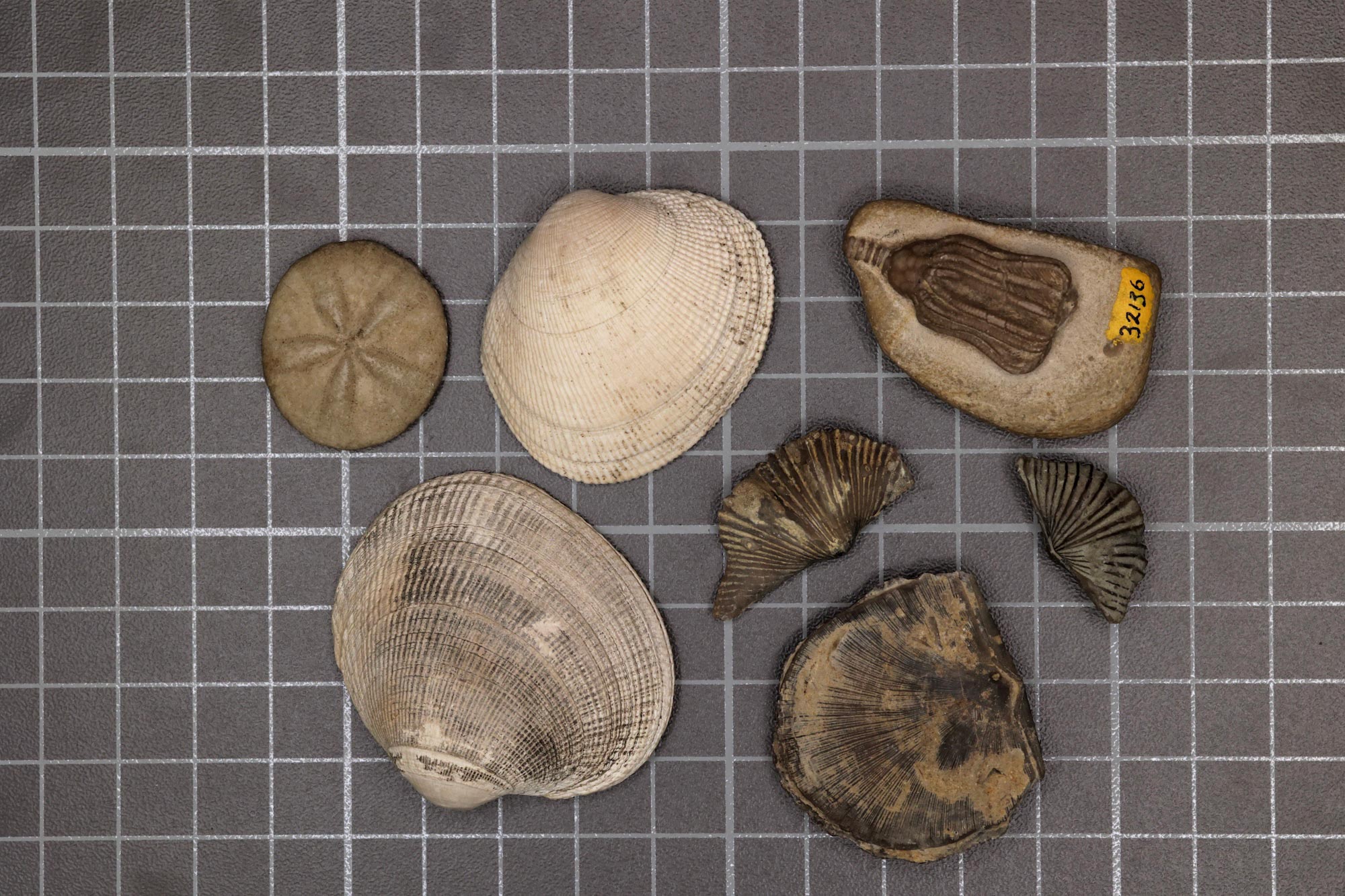
The study pointed out that this extinction event did not treat all animals equally, and the decisive role behind it was the metabolic physiological characteristics of the animals. Before the "mass extinction", the oceans were widely distributed in the oceans with creatures like brachiopods that lived on the seafloor, were slow-moving and had low metabolic rates. They were able to adapt well to life during periods of stable environments. However, the Earth experienced a large-scale volcanic activity at that time, which erupted large amounts of carbon dioxide and methane, causing global temperatures to rise sharply and seriously disrupting the chemical balance of the oceans.
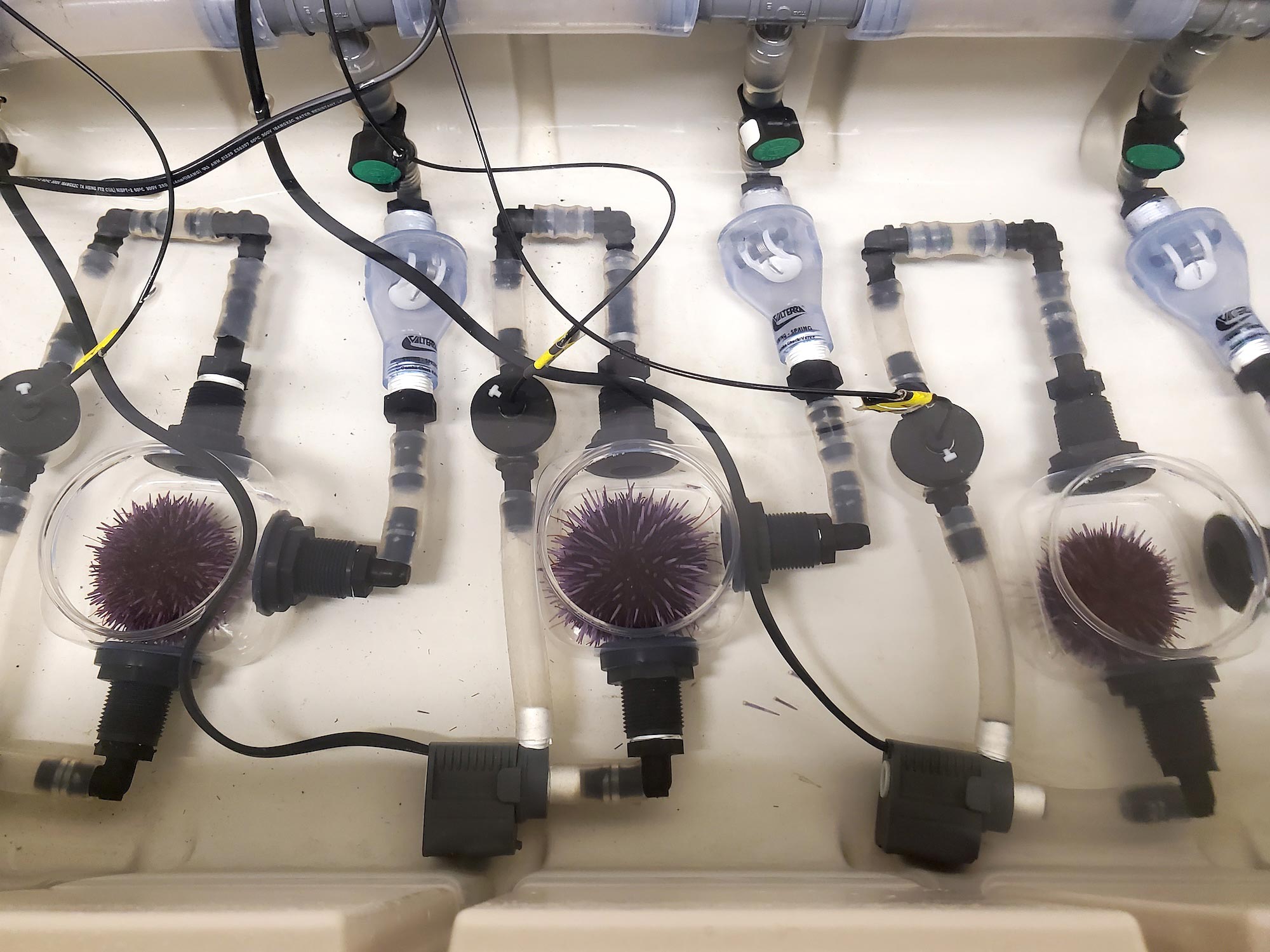
Environmental changes have delivered a devastating double whammy: Warming seawater not only reduces dissolved oxygen, but also accelerates chemical reactions in animals, thereby increasing organisms' demand for oxygen. The researchers measured oxygen consumption in response to changes in water temperature by conducting experiments on living representatives of ancient animals, such as brachiopods from Washington state's San Juan Islands. It was found that although these low-metabolism organisms can survive in anoxic waters, when the water temperature rises, their demand for oxygen surges, and their limited respiratory structure and physiological mechanism cannot meet this demand, eventually leading to large-scale suffocation and death.
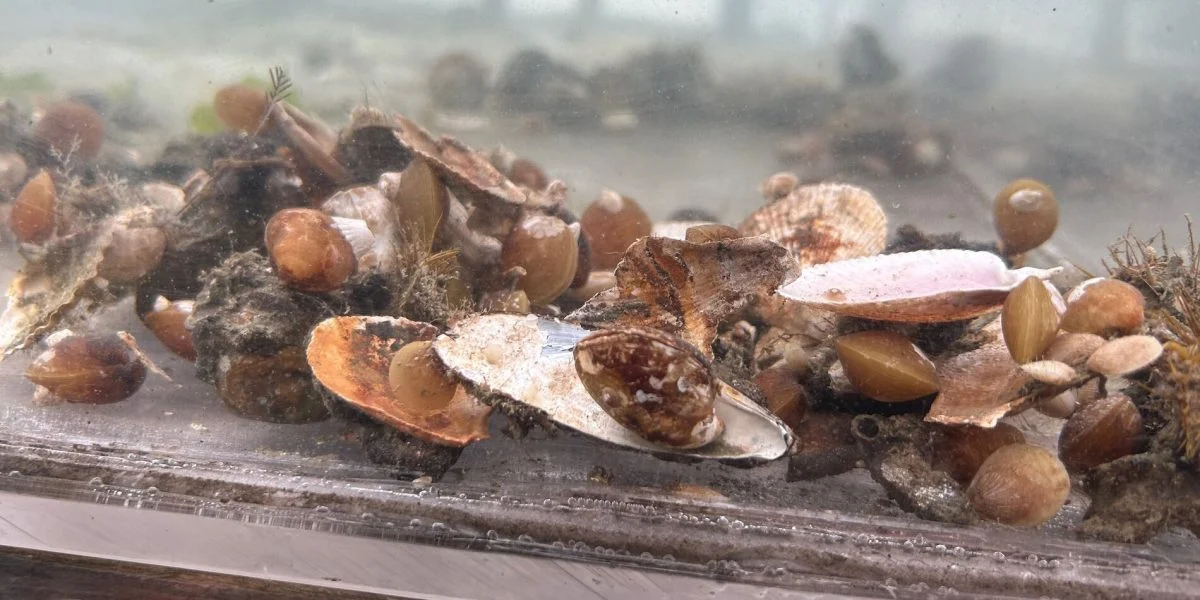
In contrast, groups that came to dominate the oceans after the extinction event, such as fish, snails, sea urchins, and bivalves such as clams, oysters, and mussels, showed greater resilience. Although these animals have higher oxygen needs under normal conditions, their more active metabolic patterns, more developed muscles, and more efficient respiratory systems give them the ability to mobilize greater oxygen supplies when conditions deteriorate. This differential survival mechanism explains why the extinction event screened out the "weak" at that time and laid the foundation for modern marine biological communities.
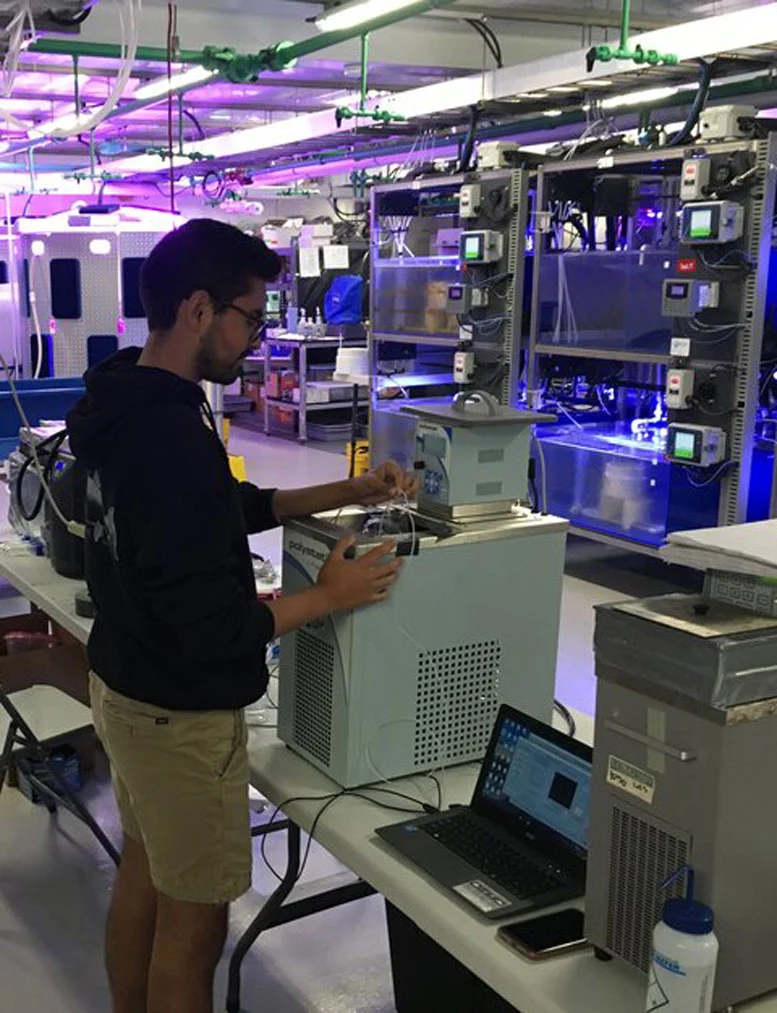
The research team believes that although this mass extinction lasted for thousands of years and was on a different time scale from modern climate change, its core biological issues are highly warning: as the global climate warms and the oxygen content of water decreases, marine life is facing environmental pressures similar to those 252 million years ago. Erik Sperling, associate professor of earth and planetary sciences at Stanford University and senior author of the study, said that this study not only fills a gap in the study of paleontological physiology, but also has profound reference value for today's changes in the earth's environment. Current scientific models show that the worst-case scenario predicts that Earth's climate will reach Permian-Triassic levels of warming. Understanding how organisms responded to stress in the past can help us better predict the future and find ways to deal with it.