Recently, a latest scientific study published in Nature Ecology & Evolution found that the ancient marine animal sea anemone has an anti-viral immune strategy that is different from humans. This discovery not only reveals the diversity of immune systems in the animal kingdom, but also challenges the traditional view of the academic community on the evolution of antiviral mechanisms.
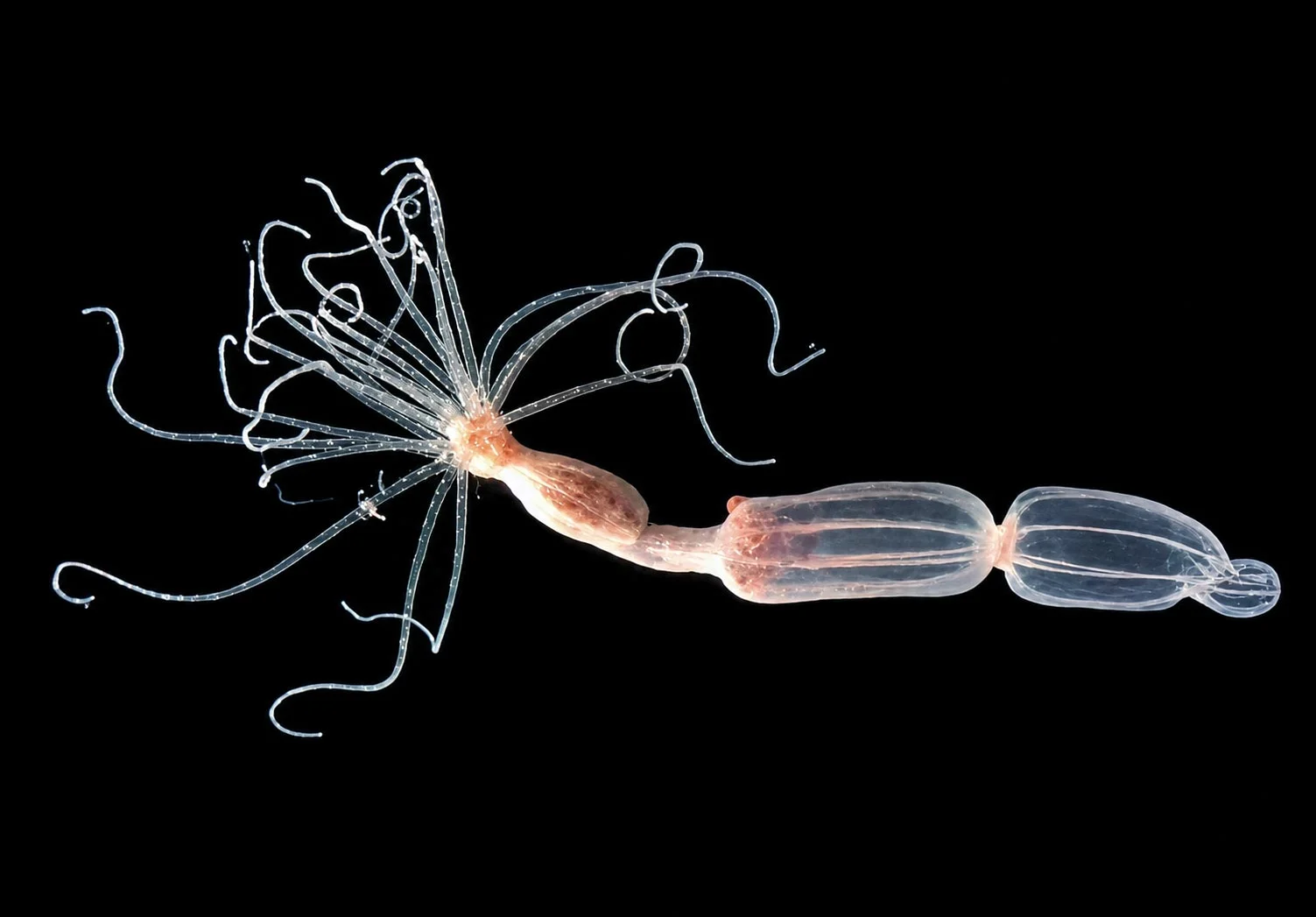
In humans and other vertebrates, a protein called MAVS plays a central role in recognizing viruses and activating immune defenses. A research team led by Ton Sharoni, a doctoral candidate at the Hebrew University of Jerusalem, and Professor Yehu Moran, while analyzing the immune system of sea anemones, discovered a protein that is structurally very similar to human MAVS and named it CARDIB.
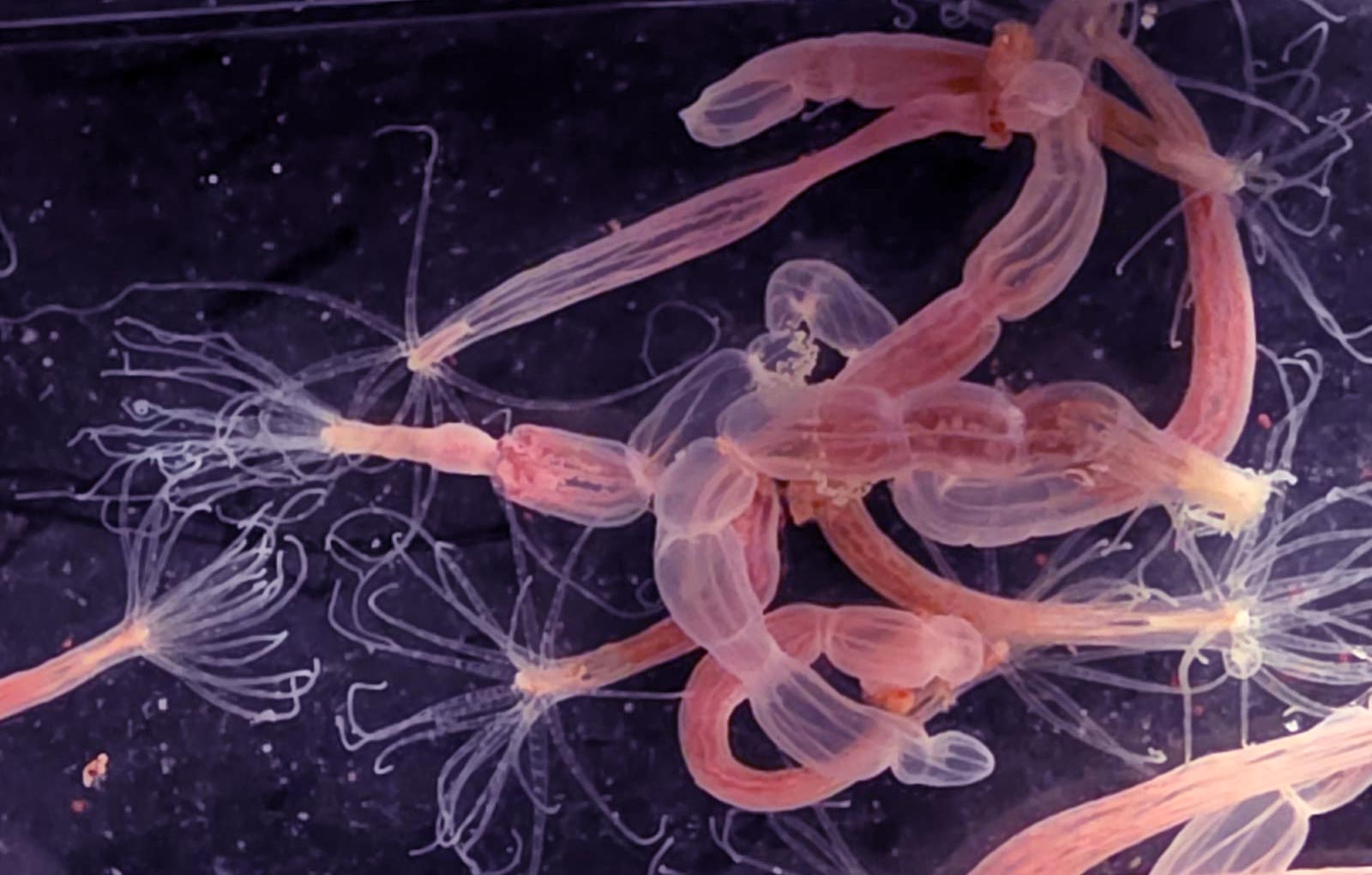
At first, researchers speculated that CARDIB might play a similar role to MAVS in sea anemones, activating antiviral defenses. However, the experimental results were unexpected: the function of CARDIB is completely opposite to that of MAVS. Under normal conditions, it will act as a "brake" to suppress the immune response.
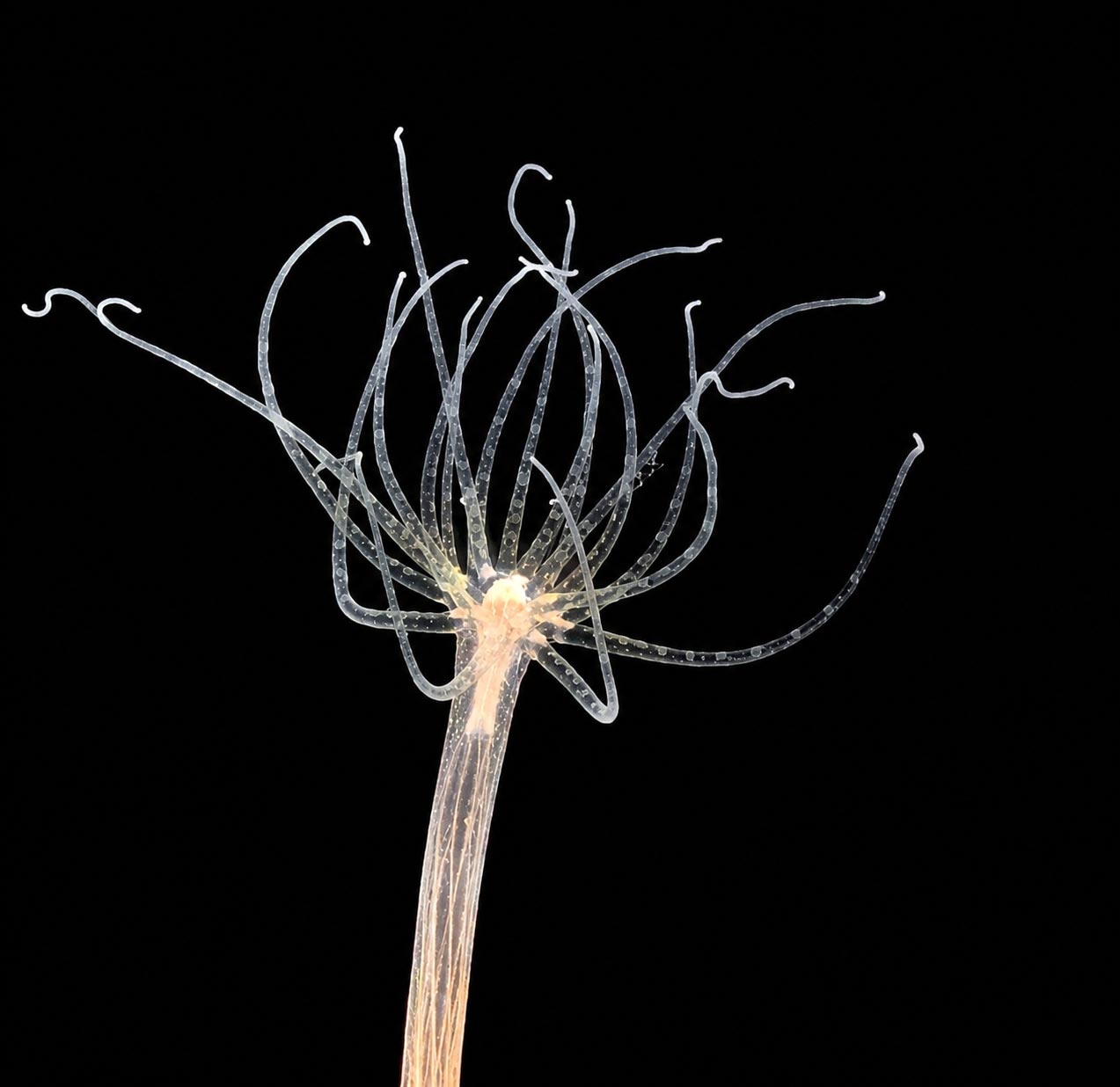
To further explore the role of this mechanism, the researchers used CRISPR gene editing technology to delete the CARDIB gene in sea anemones and exposed these genetically modified sea anemones to a viral environment. The results showed that the sea anemone that lost CARDIB lost the ability to control viral infection, causing the virus to multiply and the anti-viral defense mechanism in the body could not be activated normally. The researchers pointed out that although CARDIB usually looks like it is suppressing the immune system, it is actually an indispensable key link for the sea anemone to be able to effectively trigger an antiviral response.
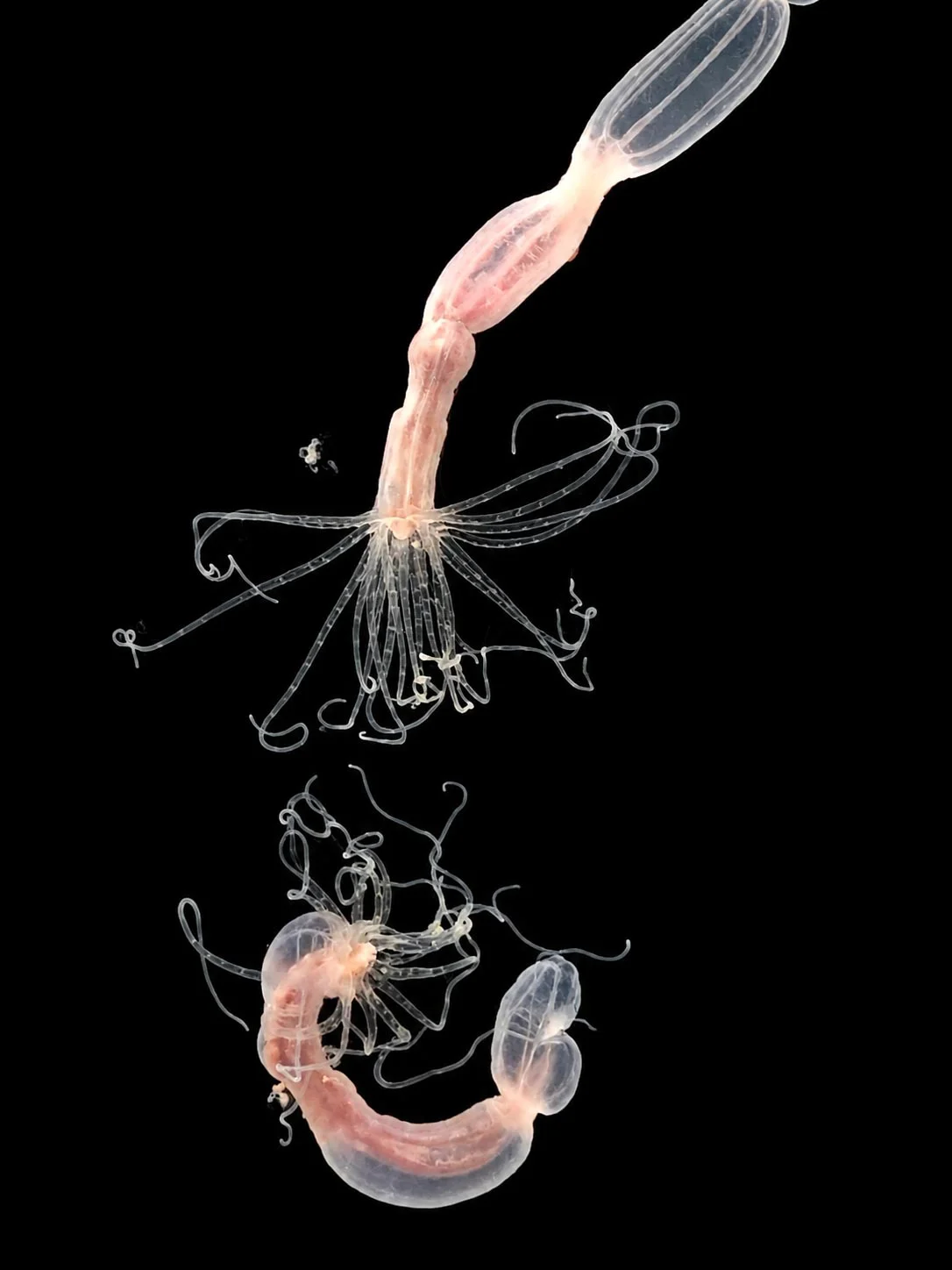
To test whether this finding was limited to laboratory settings, the team also released the genetically modified sea anemones into natural estuarine waters in South Carolina. In a real and complex natural ecological environment, the researchers again observed that sea anemones lacking CARDIB were infected with more viruses than normal individuals. This experiment provides strong evidence that this unique and seemingly counterintuitive immune pathway is critical to sea anemone survival in nature.
This study shows that in the long process of evolution, animals have not evolved a single universal defense system against viral threats, but have developed a variety of molecular-level recognition and defense strategies based on their own branches. Professor Moran said that although humans and sea anemones both need to defend against viruses, evolution has organized these defenses in completely different ways. This study once again emphasizes the importance of cross-species biological research. By focusing on ancient organisms in addition to traditional laboratory model species, scientists can reveal more of the mysteries of survival hidden in the long history of evolution.