On July 27, the American pharmaceutical company Johnson & Johnson announced that it had agreed to pay US$5.5 billion to settle approximately 69,000 lawsuits in the United States alleging that its talcum powder baby powder caused ovarian cancer. The settlement covers 99.75% of relevant pending cases in the U.S. federal and state court systems. The prerequisite for the agreement to finally come into effect is the formal consent of 95% of the plaintiffs.
The plaintiff’s attorney expressed approval of the plan and believed that it provided a proper solution to the decade-long legal dispute. Eric Haas, head of Johnson & Johnson's litigation practice, pointed out that reaching this agreement is aimed at completely freeing the company from the ongoing troubles caused by this legal incident.
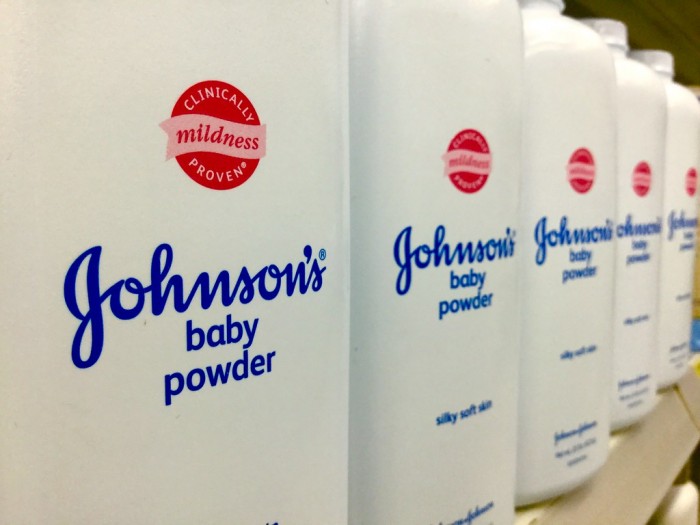
Although Johnson & Johnson still denies that its talc products are carcinogenic, due to related lawsuits, the company has stopped selling baby powder containing talc ingredients in the US market in 2020, and will expand the scope of the suspension to the global market in 2023. Talcum powder was once a basic ingredient in cosmetics and baby skin care products, but its use has been significantly reduced in recent years due to controversy over health risks. In 2024, the World Health Organization officially classified talc as a "possibly carcinogenic to humans" substance. Since the first U.S. claim involving talc powder causing cancer in 2016, the number of lawsuits against Johnson & Johnson has continued to surge.
In addition, the settlement reached in the United States does not apply to the judicial proceedings faced by Johnson & Johnson in the United Kingdom. Currently, the British courts are hearing a product liability class action lawsuit involving more than 7,000 potential plaintiffs. This case is the largest case of its kind in British history. The plaintiff filed a lawsuit in October 2025, accusing Johnson & Johnson of continuing to sell related products even though it knew that talc powder had the risk of causing ovarian cancer and mesothelioma. Johnson & Johnson also denied the British accusation.