
Abstract:
DigiTimes reported that Changxin Memory (CXMT) and Yangtze Memory (YMTC), China's two major memory chip manufacturers, may not currently plan to become Apple's large-scale memory chip supplier. However, if they can enter Apple's supply chain and obtain certification, it will still bring significant brand endorsement to the two companies and help prove to more Western customers that China's DRAM and NAND Flash products have the quality to compete with mainstream international manufacturers.
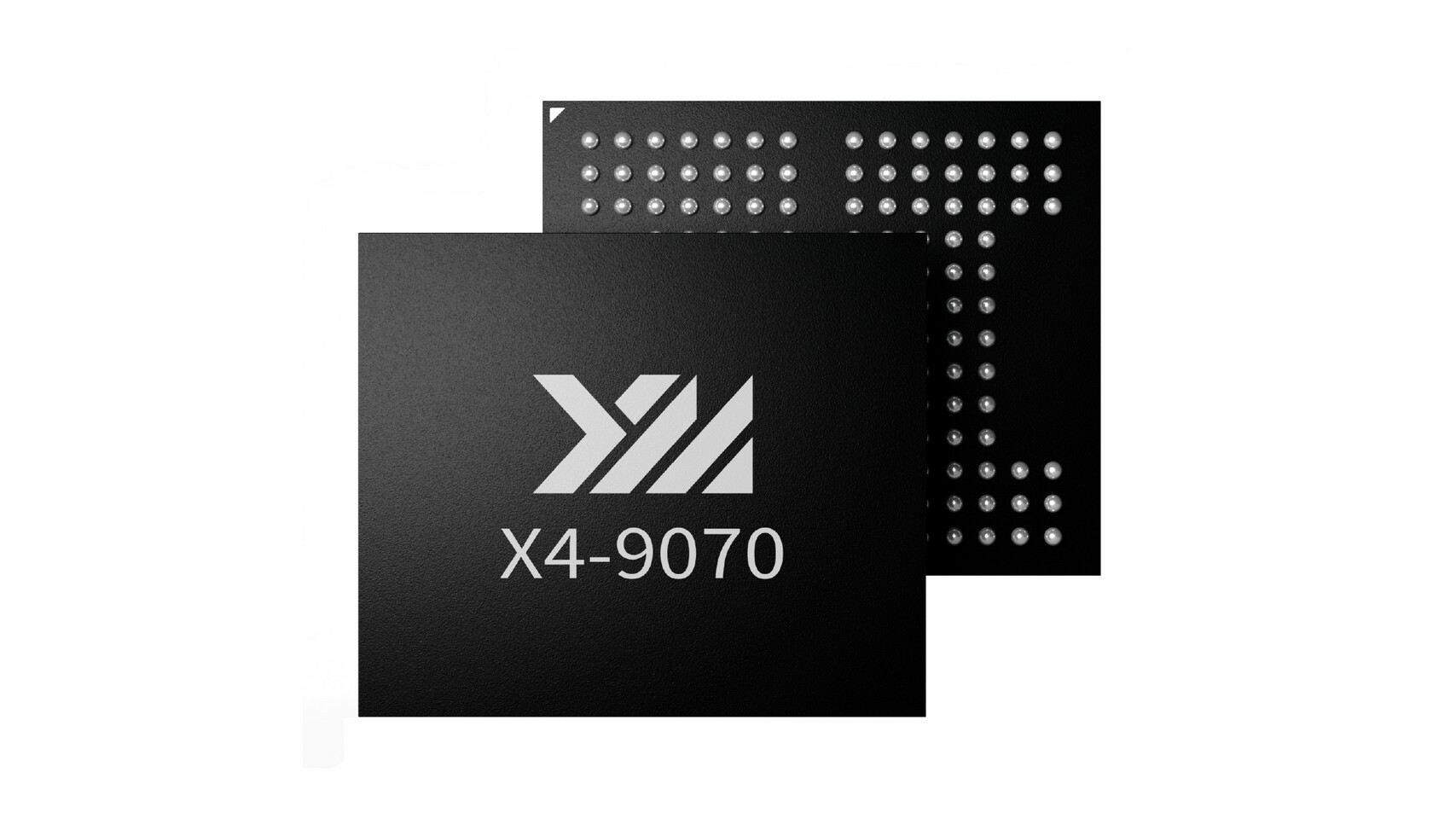
Reports indicate that Yangtze Storage has been profitable since 2024; Changxin Storage has just raised approximately 66.6 billion yuan through an initial public offering. At the same time, Yangtze Memory also plans to launch listing financing later this year, with a target fundraising scale of approximately 33 billion yuan. With their financial strength strengthened, the two companies are accelerating the expansion of production capacity in line with China's goal of achieving at least 50% self-sufficiency in memory chips by 2027 or 2028.
In terms of production capacity layout, Yangtze Memory plans to advance the start-up time of its first DRAM factory, the Wuhan Phase III project, to the fourth quarter of 2026, earlier than the previously expected second quarter of 2027. The factory is ultimately planned to have a monthly production capacity of 100,000 wafers. It will initially start with a monthly production capacity of about 50,000 wafers, of which about 20% of the production capacity will be used for the trial production of LPDDR memory products.
Changxin Storage is also accelerating the pace of production expansion. It was previously reported that the company plans to increase its monthly production capacity from the current approximately 200,000 wafers to approximately 300,000 wafers by the end of this year, and will also form HBM high-bandwidth memory-related production capacity of approximately 50,000 wafers/month. Changxin Memory is also currently building two new wafer fabs in Shanghai and Hefei, and its overall monthly production capacity is expected to increase to approximately 600,000 wafers in the future. According to relevant forecasts, its production scale may exceed Micron around 2030.
Although China is promoting the autonomy of its memory chip supply chain, Yangtze Memory and Changxin Memory are said to still supply Western companies in a more low-key manner because overseas customers are usually willing to pay higher prices. For example, Yangtze Memory is rumored to have sold NAND flash memory to third-party independent module manufacturers. These manufacturers then integrate related chips into solid-state drives for the enterprise market to reduce the market's sensitivity to Chinese-sourced NAND.
As for Changxin Storage, it is said that it has begun product verification with small and medium-sized cloud service providers in the United States, Canada and other markets, and encourages customers to lock in production quotas in advance. As demand in the global storage market heats up, the availability of high-quality capacity is becoming increasingly important.
For Apple, the report believes that Changxin Memory and Yangtze Memory have no intention to provide large-scale chip supply to Apple for the time being. What the two companies value more may be the symbolic meaning brought by the status of "Apple Certified Supplier": once it enters Apple's supply chain, it can be used as a strong proof that its product technology and quality meet the standards of global leading manufacturers, and become an important bargaining chip to win more overseas orders.
On the other hand, the supply capacity itself may also limit the two parties’ in-depth cooperation with Apple. According to reports, the memory chip production capacity available for allocation in 2027 is already relatively limited. Previous analysis has shown that to meet Apple's annual storage demand for the Chinese market, it may need to occupy about 6.6% of Changxin Storage's year-end production capacity; however, Changxin Storage's existing production capacity is said to have been basically booked until 2027, and the capacity utilization rate is about 95%, so there is not enough room for large-scale supply for Apple in the short term.
Comments