
Abstract:
Nvidia GeForce RTX 5060 is officially positioned as a mid-range graphics card. The standard configuration is based on the GB206 GPU core, with 3840 CUDA cores, 120 texture units (TMU), 48 raster units (ROP), and a total of 8GB of GDDR7 video memory, using a 128-bit bus design.
It stands to reason that no matter which NVIDIA AIB partner consumers purchase the RTX 5060 graphics card from, this set of specifications should remain the same. However, when the Korean media Quasar Zone evaluated the ASUS DUAL GeForce RTX 5060 OC D7 8GB graphics card, it found that the actual GPU core model of this product is GB205-200-KB-A1, and this core usually appears in Nvidia's GeForce RTX 5070, RTX 5070 Ti Mobile and RTX PRO 3000 "Blackwell" mobile graphics card product line.
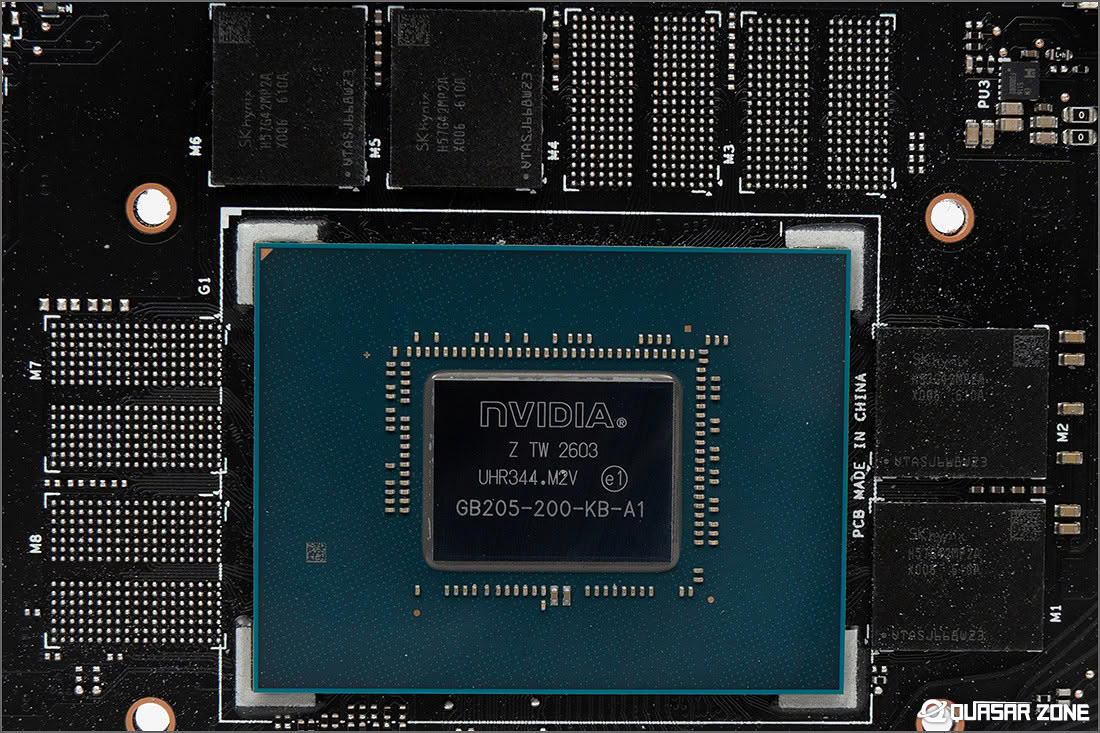
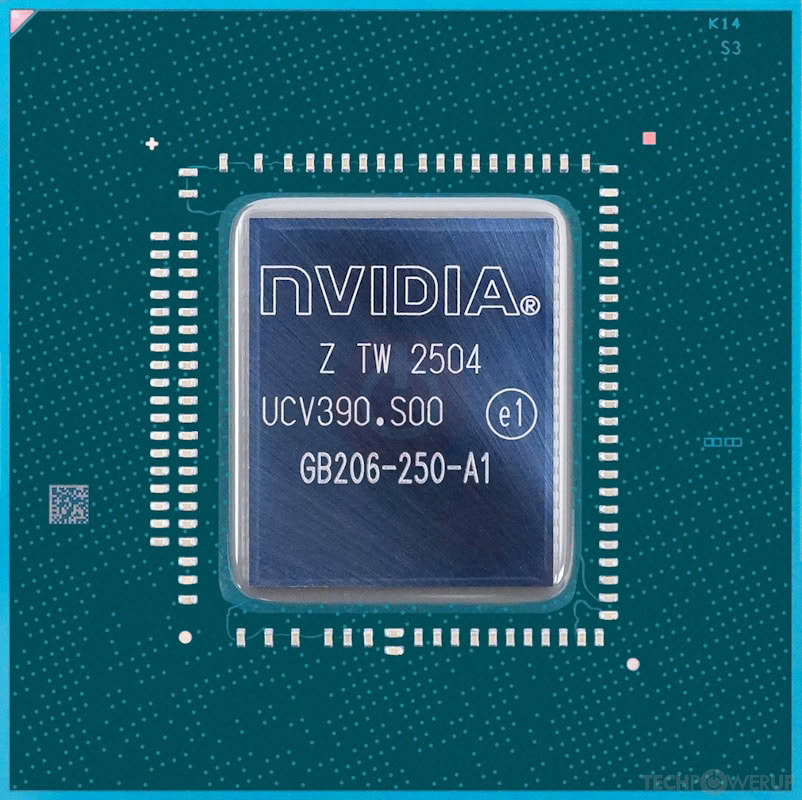
According to analysis, NVIDIA's "cross-generation mixing" of such GPU models is usually related to the chip system binning mechanism. Some GPU chips fail to meet the established parameter yield standards, which means that not all CUDA cores can work properly. In this case, manufacturers will downgrade these chips to low-end product lines. The GB205 core equipped with the RTX 5060 is a typical case. In other words, this core, which may have been unable to be used in the RTX 5070 due to a defective chip, was reduced in specification and then used as the core basis of the RTX 5060. In theory, there will be no performance difference.
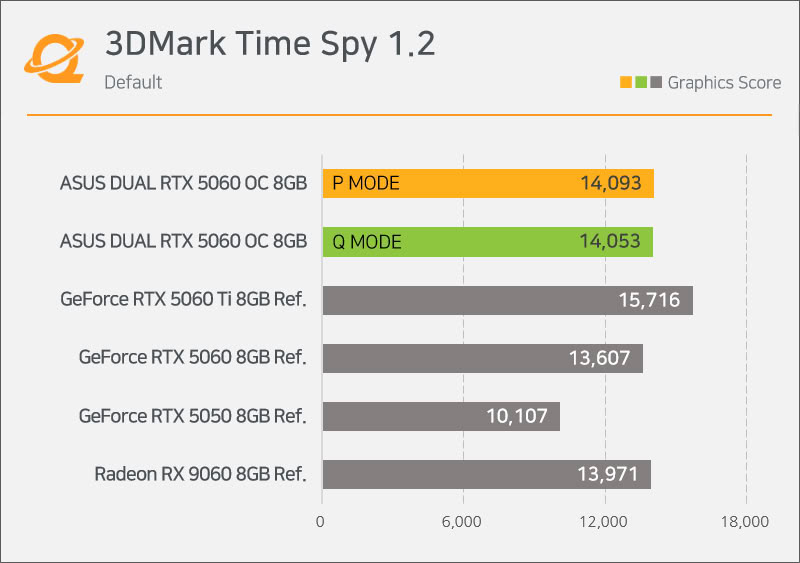
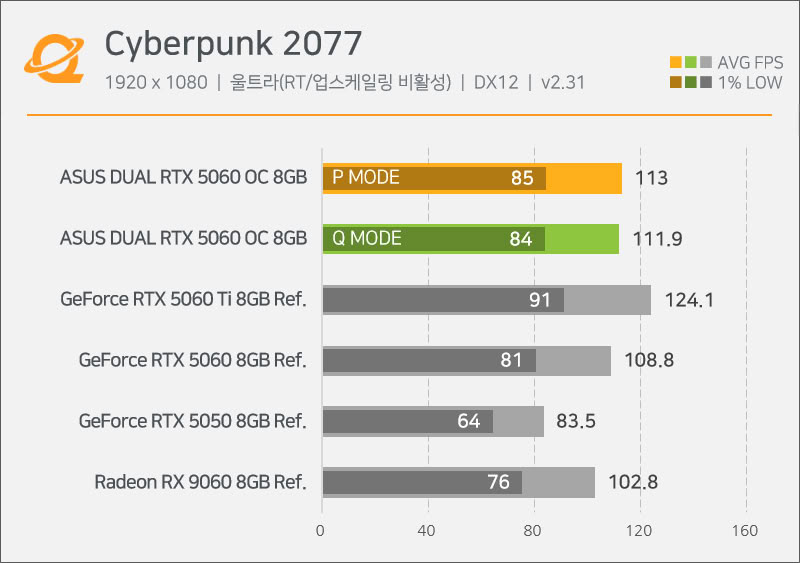
Judging from the actual measurement data of Quasar Zone, the overall performance of this RTX 5060 equipped with GB205 core is basically the same as the standard version, and some items are even slightly improved. The industry speculates that this may be due to the factory-set overclocking settings of this model. At present, the source of information for this discovery is the review report of Quasar Zone, and there is no official positive response or explanation from Nvidia.
Comments