
Abstract:
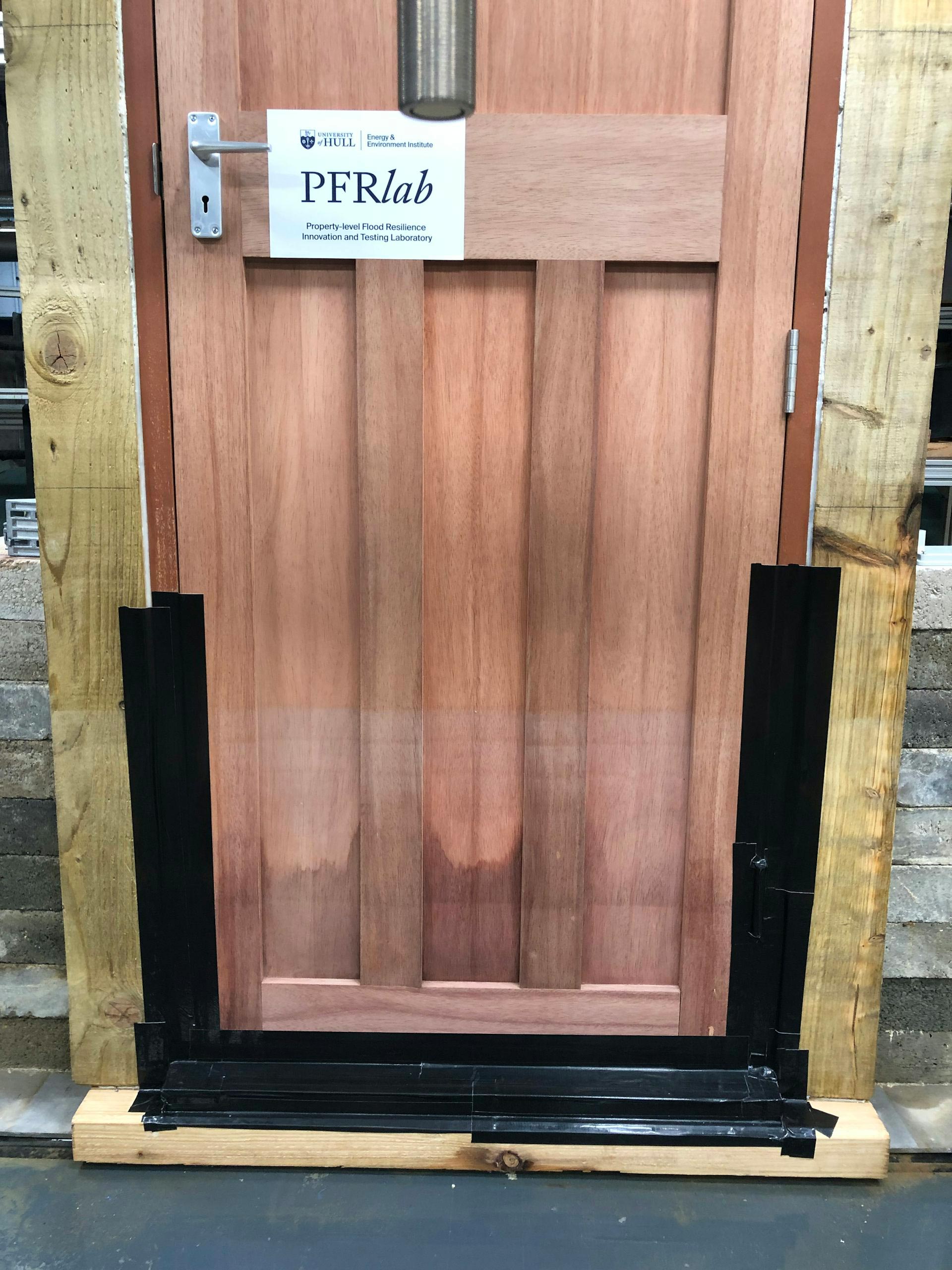
A roll of ordinary tape, which costs less than £10, may provide more effective home flood protection than traditional sandbags when dealing with flooding, new research has shown. Researchers found through experiments that correctly using tape to seal the gap on the outside of the door can reduce water seepage by 97% to 98%, significantly reducing the risk of floods entering the house.
As extreme weather and flood events become increasingly frequent, how to improve household flood prevention capabilities at low cost has become a topic of concern in various countries. In the "FloodReady" plan released by the British government in 2025, it called for the promotion of practical and economical flood prevention measures to help residents understand the risks and prepare in advance. The solution proposed in this study uses tapes commonly used in daily life to enhance residential protection capabilities.
The study was conducted by researchers at the University of Hull in the UK. The experimental team tested a variety of common household doors in the laboratory, including modern wooden doors, uPVC doors and composite doors. The researchers simulated a flood environment, gradually increased the water level in 5 cm increments, up to 60 cm, and continuously monitored the amount of water seeping into the interior of the building through the door cracks.

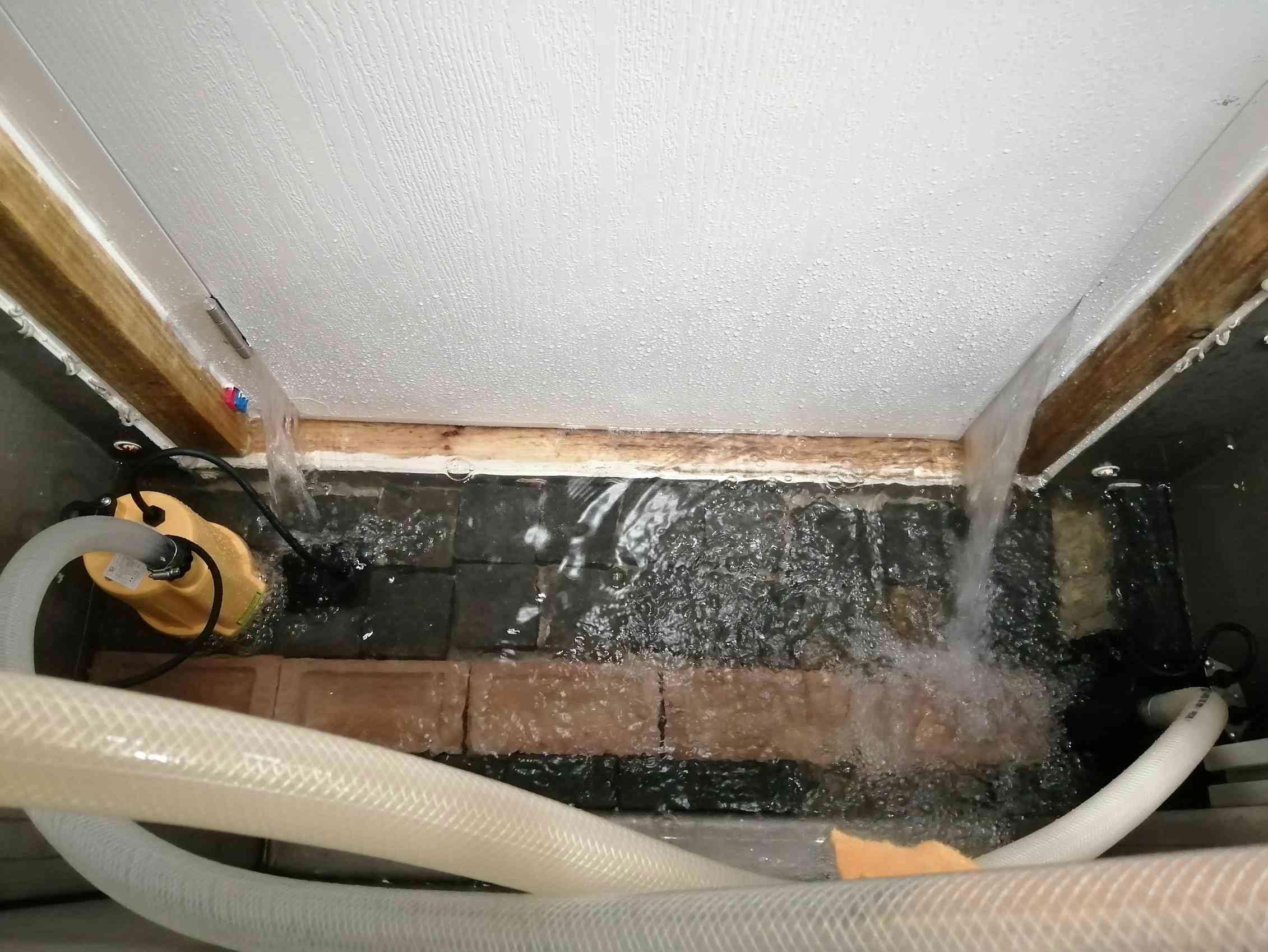
During the experiment, the researchers collected the water that penetrated behind the door in a sealed device, and evaluated the effects of different protection methods through continuous pumping and measurement. To ensure the consistency of the results, all tapes were applied by the same experimenter, and the construction time for each door was approximately 10 to 20 minutes.
Test results show that without any protective measures, when the water level reaches 60 centimeters, the water seepage volume of some doors can reach thousands of liters per hour. After using ordinary tape to seal the outside of the door, the amount of water seepage dropped by 97% to 98%. The effect is further enhanced if specially designed sealing tape is used.
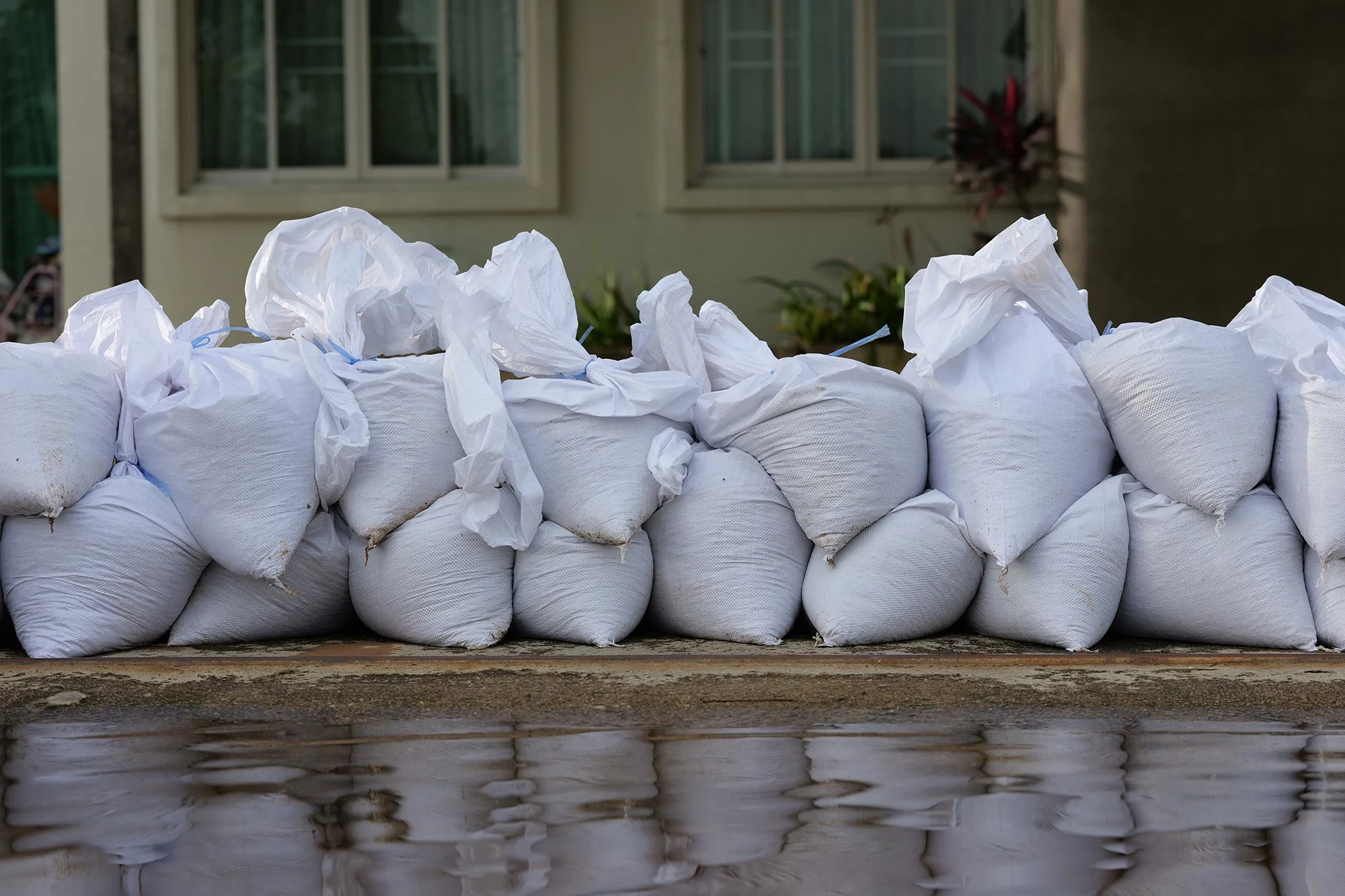
The research team also tested traditional sandbags. A total of 54 sandbags were used in the experiment, and plastic films were added between the door and the sandbags as auxiliary protection. However, the results showed that sandbags were not as good at stopping water seeping through door cracks as the tape sealing solution. Its effectiveness fluctuates with water levels, and even under optimal conditions, it can only reduce water seepage by about 70%.
Researchers pointed out that although sandbags have long been regarded as standard equipment for flood control, there are many limitations in practical application. Sandbags are heavy, difficult to transport, time-consuming and laborious to deploy, and require proper disposal after exposure to contaminated floodwater. In contrast, tape is often easier to obtain in ordinary households, has low purchase cost, is convenient to use, and does not require special storage conditions.
However, the research team stresses that the tape cannot replace professional flood doors, flood barriers or flood protection plans developed for specific homes. Tape can only temporarily reduce the amount of water entering the room through door cracks, but cannot prevent flood water from seeping through other channels such as walls, floors, and drainage systems.
The actual effectiveness of the tape will also be affected by factors such as the condition of the door frame, the quality of the pasting surface, the sealing process and flood conditions, the researchers said. For homes at higher risk of flooding, professionally assessed flood protection measures should still be used. For households at relatively low risk, low-cost temporary measures can serve as an additional layer of protection and improve overall flood resilience.
Experts believe that the key to improving household disaster resilience is to prepare in advance, including understanding local flood risks, subscribing to flood warning information, making plans to move valuables, preparing vehicle evacuation plans, and cutting off water and electricity supplies when necessary. Incorporating duct tape into your home emergency flood kit can also be a simple and practical addition.
The research team concluded that a roll of tape worth 10 pounds certainly cannot prevent flooding, but the experimental results show that it can effectively reduce some of the flooding entering the house through the door cracks. Therefore, this low-cost tool is expected to be a practical addition to a complete home flood protection system, helping residents to be better prepared before floods arrive.
Comments