
Abstract:
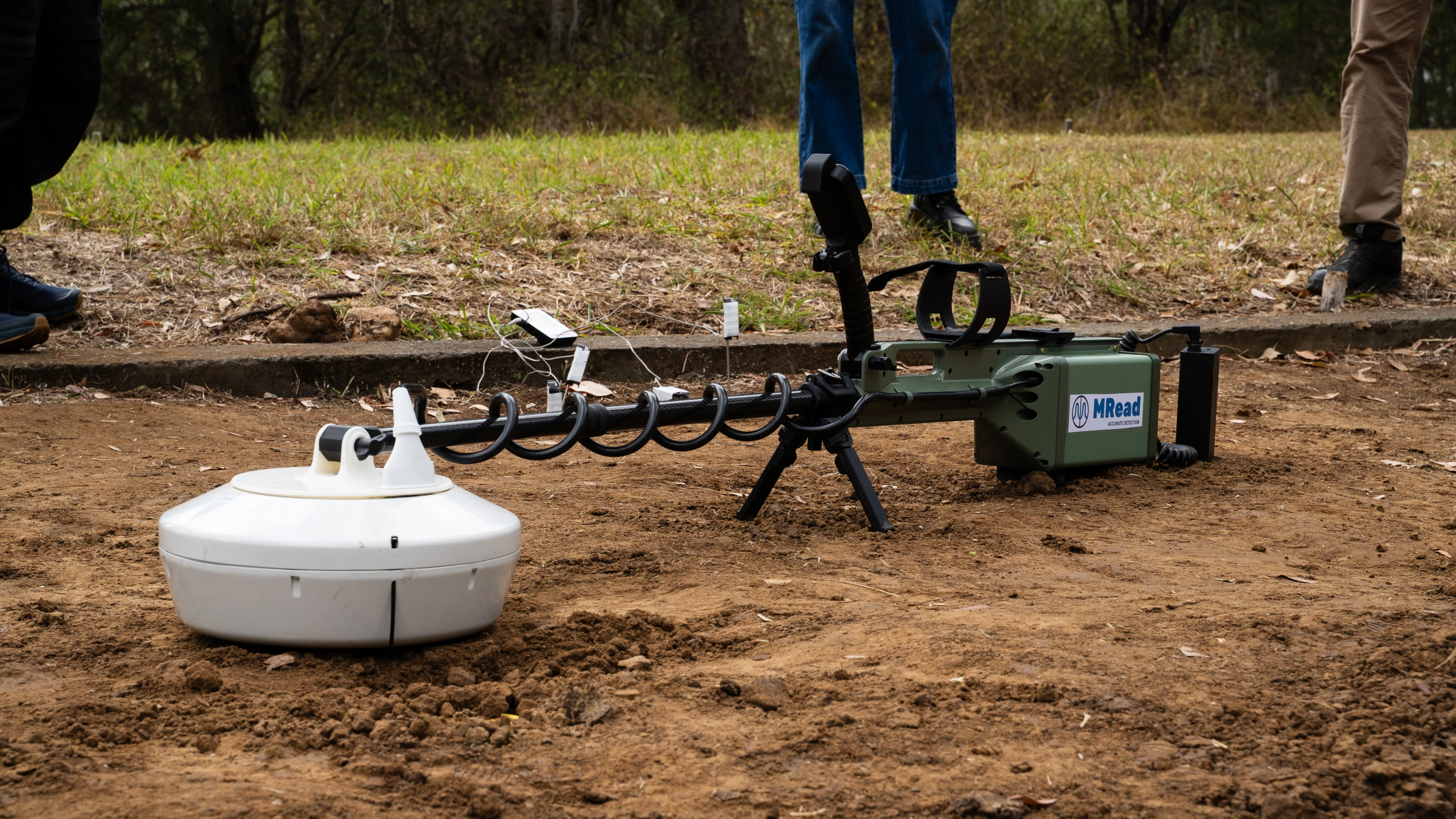
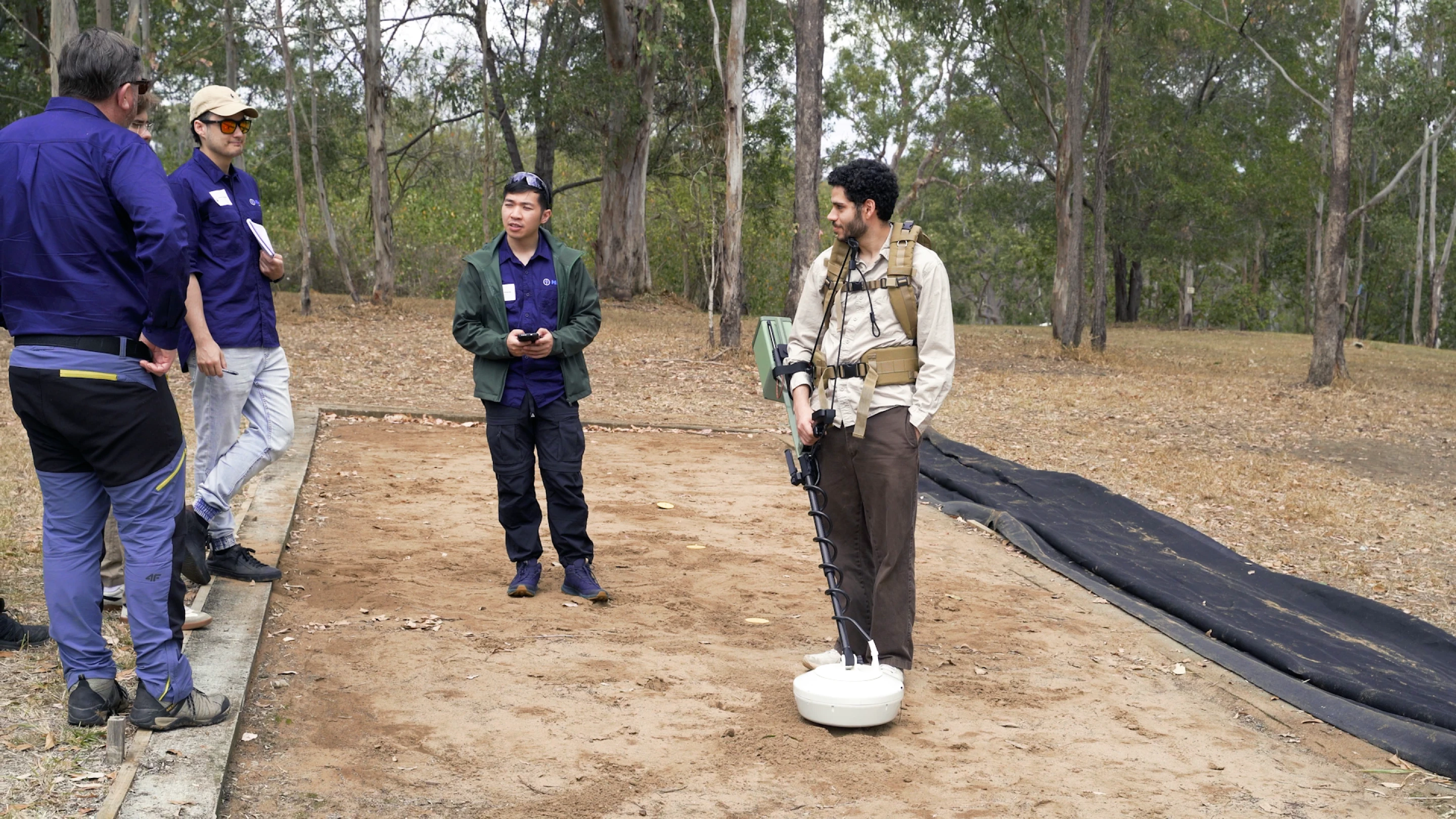
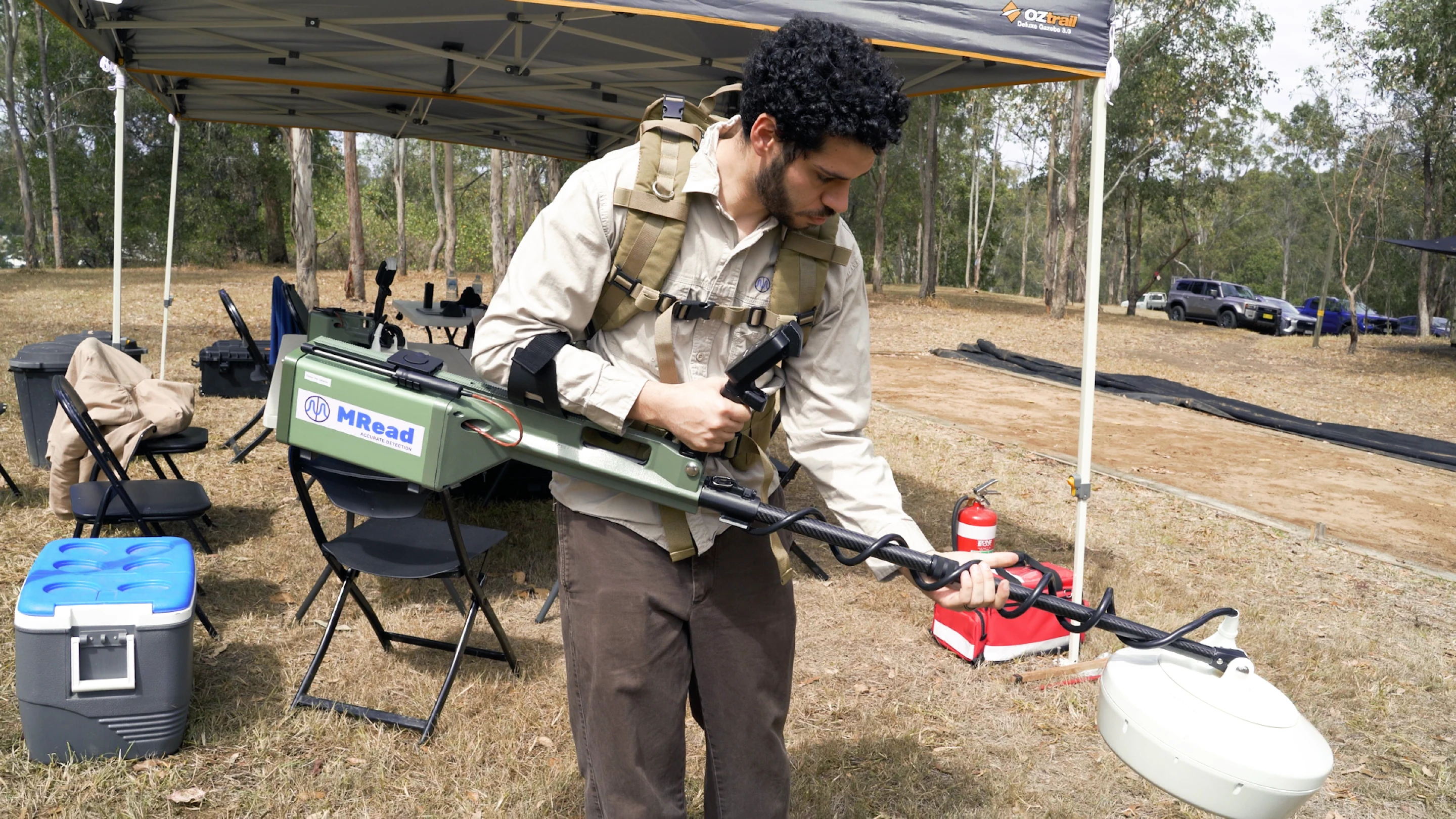
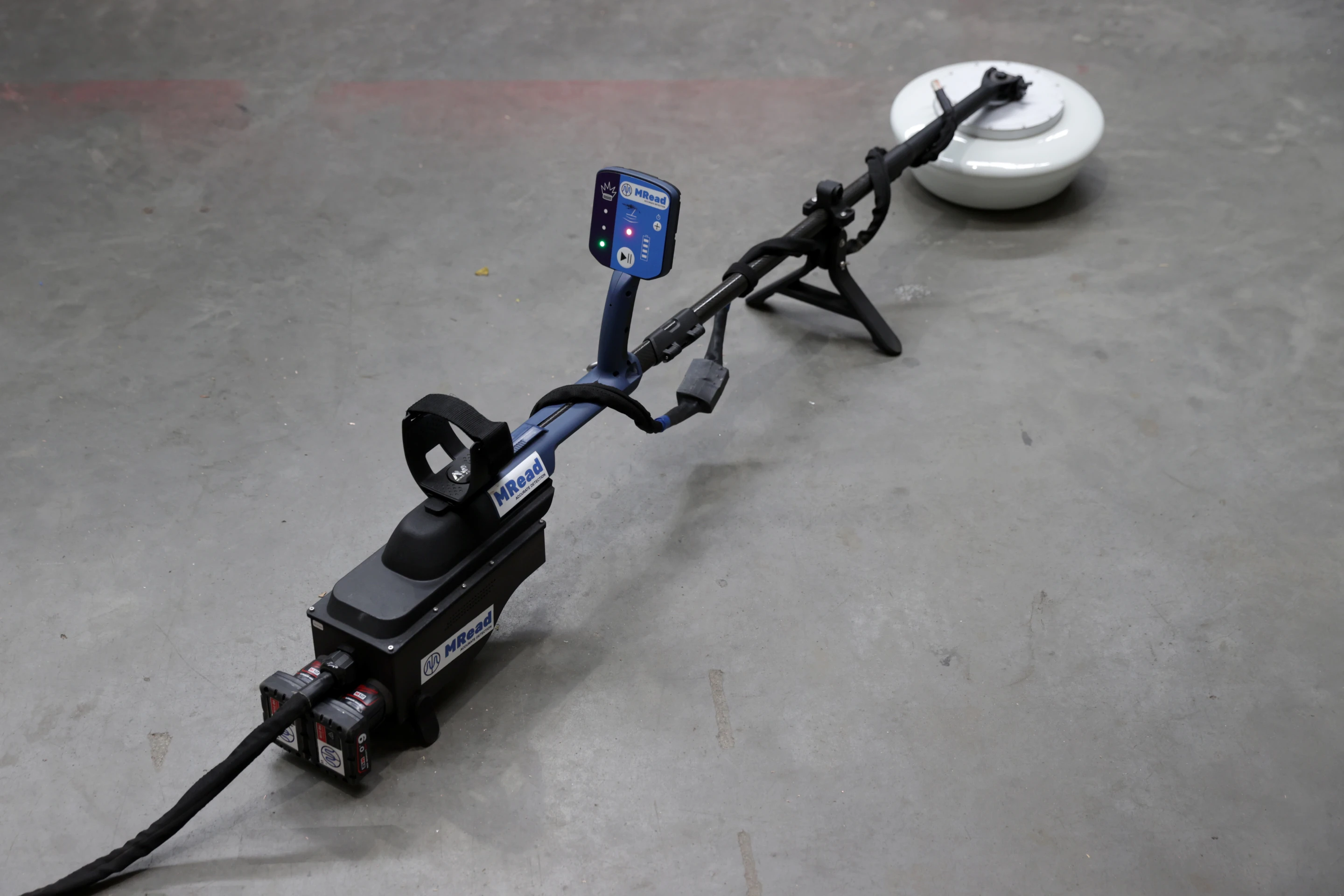
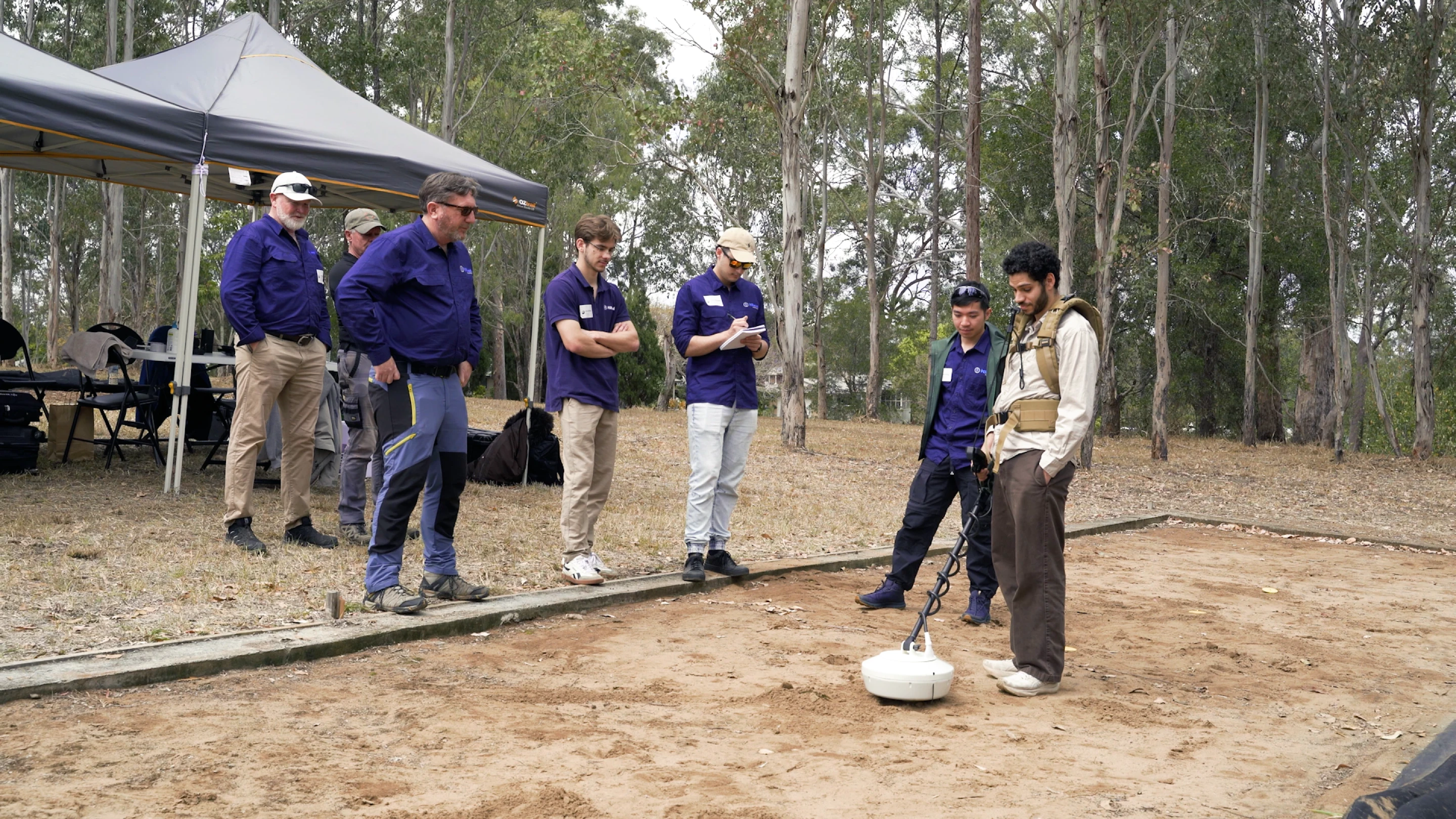
Brisbane, Australia, recently completed testing of a new landmine detection technology. The MineReader RDX detector developed by MRead, an Australian deep technology company, adopts a completely different idea from traditional equipment. It no longer focuses on finding the mine itself, but directly detects the explosives inside the mine to identify threats from the source.
Landmines date back hundreds of years. The concept of mines gradually emerged when engineers discovered that fortifications could be breached by digging tunnels under the fortress walls and causing them to collapse. Today's anti-personnel and anti-vehicle mines are even more dangerous. They are buried underground and use high-energy explosives to cause serious damage to people and vehicles.
Although the international community has long promoted restrictions or even bans on the use of landmines, and modern landmines often have timed failure or self-deactivation functions, a large number of minefields left over from history still exist. Some minefields are nearly a century old and still pose a threat to local residents and people passing by. Therefore, mine detection technology is of extremely high importance, both in the military field and in civilian mine clearance operations.
Traditional mine detectors work similarly to metal detectors, working through electromagnetic induction technology. The detection disk at the front of the device scans back and forth on the ground, generating an electromagnetic field and monitoring its changes. When there is a metal object in the detection area, the electromagnetic field characteristics will change and the device will sound an alarm.
This method can detect mines containing metal casings or metal parts in most cases, but the problem is that "not all mines contain enough metal." Some modern landmines use plastic structures. As early as World War II, Germany even made wooden mines to avoid detection by detectors. Historical data shows that in some combat operations, because it was difficult for detectors to detect such targets, British commandos had to lie on the beach and use combat daggers to explore the sand bit by bit.
In addition, traditional detectors also face a large number of false alarms. Scrap metal, shrapnel and other metal debris will trigger alarms, forcing deminers to check suspicious targets one by one, affecting both efficiency and safety.
The design concept of MineReader RDX is based on this pain point. The development team believes that the truly dangerous part of the mine is not the metal casing or mechanical structure, but the explosives inside. If the explosives themselves could be detected directly, the limitations of metal detection could be bypassed.
The system was developed based on the research results of Australia's Commonwealth Scientific and Industrial Research Organization (CSIRO). It abandoned traditional electromagnetic induction technology and switched to magnetic resonance (Magnetic Resonance, MR) technology. This is a spectral analysis method that works in the radio frequency band.
Currently, MineReader mainly detects the military explosive RDX (cyclotrimethylene trinitramine). The RDX molecule contains six nitrogen atoms, and the behavior of these nitrogen atoms in the solid-state crystal structure is unique. When excited by specific radiofrequency pulses, they produce a unique magnetic resonance response. The system is able to record and analyze these signals to confirm the presence of RDX explosives in the target area.
The current version of MineReader is capable of detecting just 50 grams of RDX explosive at a maximum depth of about 13 centimeters, the developers say. The system works even in wet, high-mineral soil environments, or in complex conditions where the ground is littered with metal fragments and organic residues.
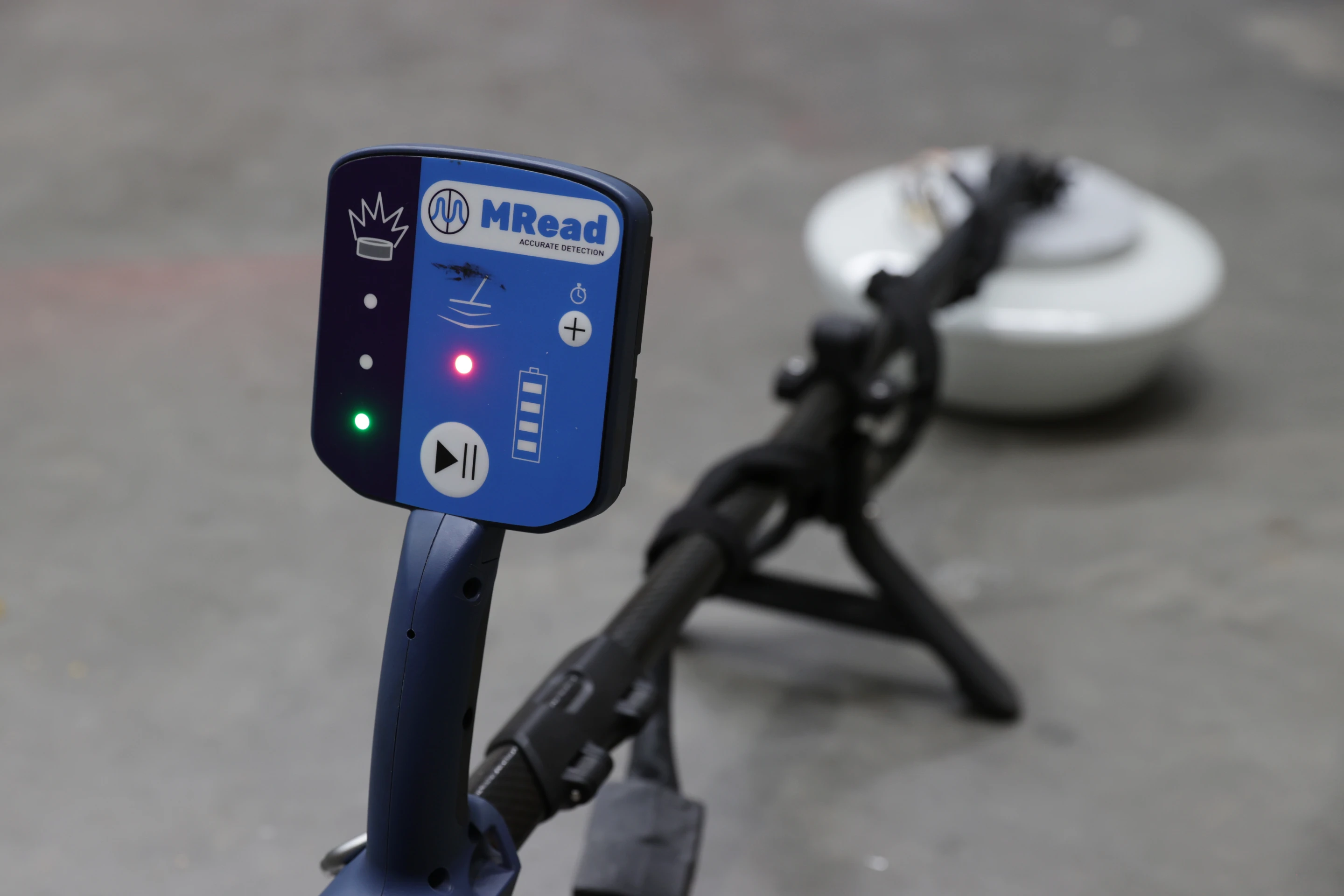
The research team pointed out that although there are currently some technical solutions that can directly detect explosives, they are often bulky, complex to operate, and are usually only suitable for detecting large quantities of explosives. MineReader is as portable as a traditional handheld detector and is more suitable for actual mine clearance tasks.
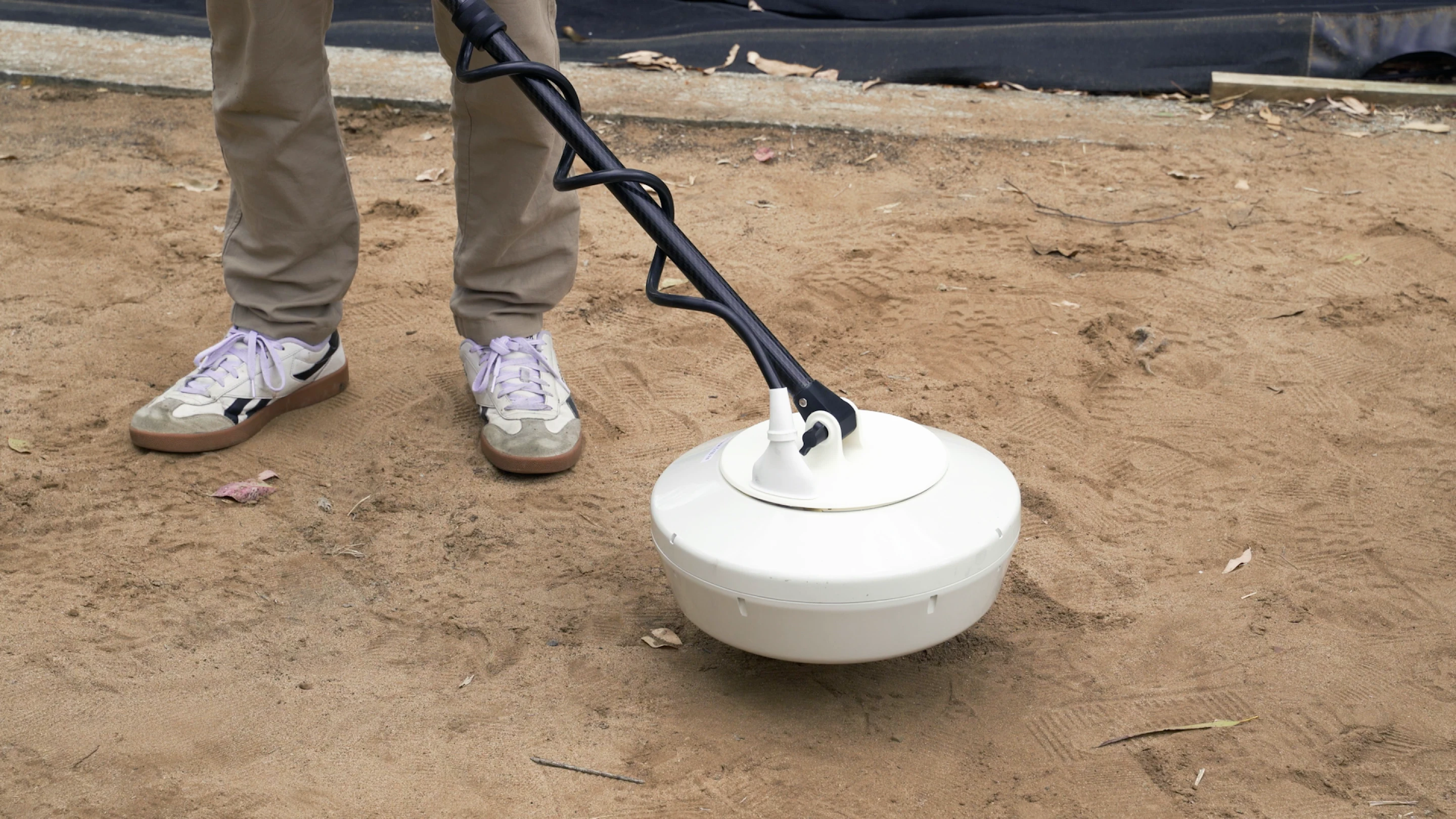
At present, the system mainly identifies RDX, but the ultimate goal of the R&D team is to enable the device to also have TNT (trinitrotoluene) detection capabilities. Once this is achieved, the device will be able to identify the explosives used in the vast majority of landmines around the world, significantly expanding its range of applications.
MRead CEO John Shanahan said the team ultimately hopes to completely remove soldiers from dangerous areas. He pointed out that by combining explosives direct detection technology with unmanned ground platforms, suspicious targets can be confirmed at long distances, allowing commanders to have a higher degree of certainty about forward threats before personnel or vehicles enter dangerous areas, thus improving operational safety.
Comments