
Abstract:
On November 10, 2001, Apple's first-generation iPod officially went on sale. Today, 25 years later, this portable player that once changed the way the world consumes music has become one of the most iconic products in Apple’s development history. It not only helped Apple get rid of its image as a pure computer manufacturer, but also laid an important foundation for subsequent products and services such as iPhone and Apple Music.
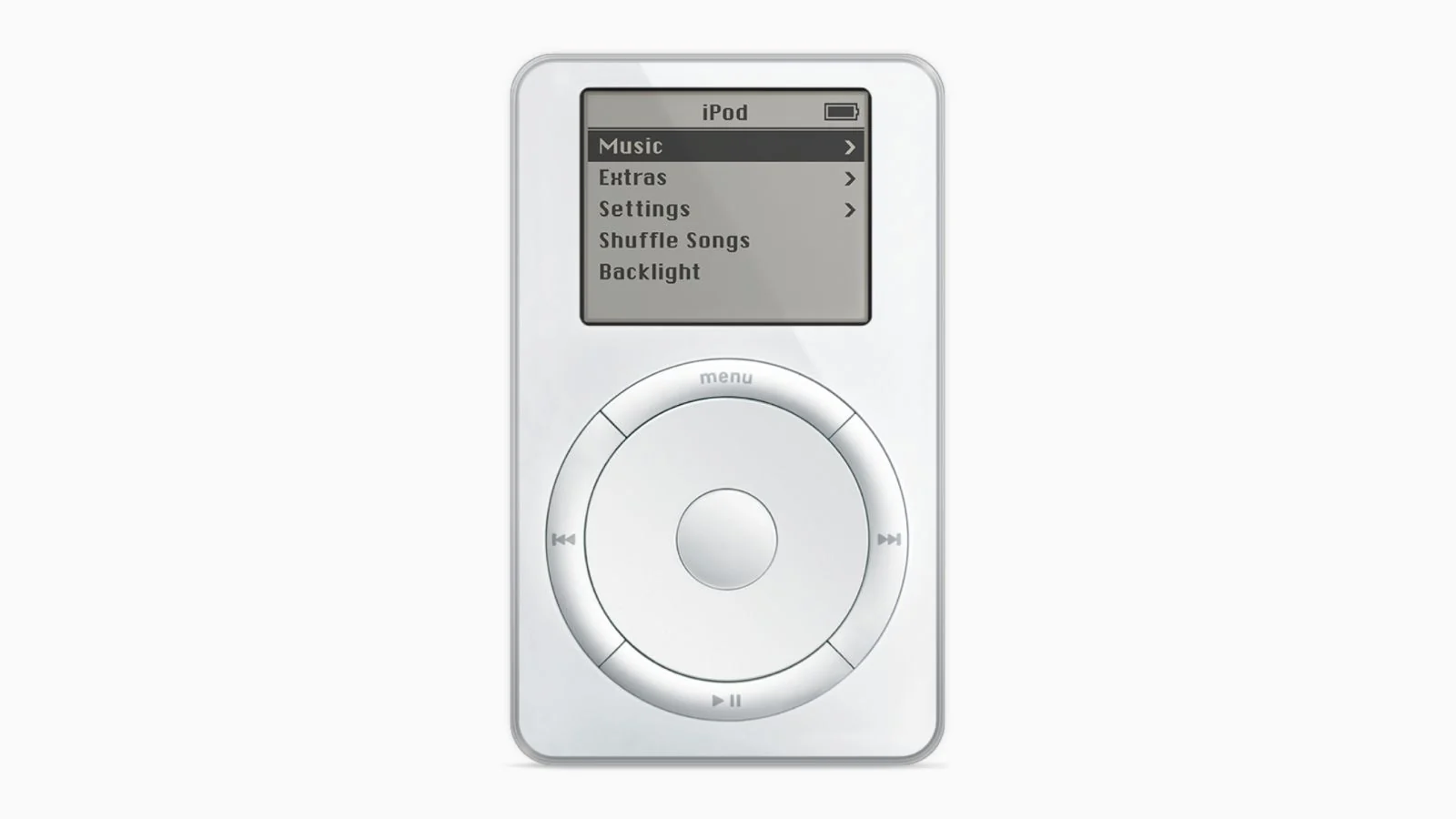
The first-generation iPod, priced at US$399, was officially announced on October 23, 2001 by then-Apple CEO Steve Jobs at a small conference at the company's headquarters. At that time, Apple used a very attractive slogan to summarize the product positioning: 1,000 songs in your pocket.
This device uses a 5GB mechanical hard drive as the storage medium, is equipped with a monochrome LCD screen, a mechanical scroll wheel, and a battery life of up to 10 hours. Although its hardware configuration was relatively simple by today's standards, it was a very advanced music player at the time.
One of the biggest features of the first-generation iPod is its deep integration with Apple's iTunes software. Users can transfer music to the device through the FireWire interface and use this interface to charge the battery. iTunes can automatically synchronize users' music collections and playlists, making the music management process quite simple.
Apple claimed at the time that a full CD of music could be transferred to an iPod in less than 10 seconds, and that 1,000 songs could be transferred in less than 10 minutes. In addition to music, the device's built-in hard drive can also be used to store documents and other files.
However, when the first-generation iPod was first released, it did not immediately receive critical acclaim. It could only be used with Mac computers initially and was not compatible with Windows systems, and the price of $399 also made many consumers feel expensive. At that time, some media and users even questioned whether this product was truly revolutionary.
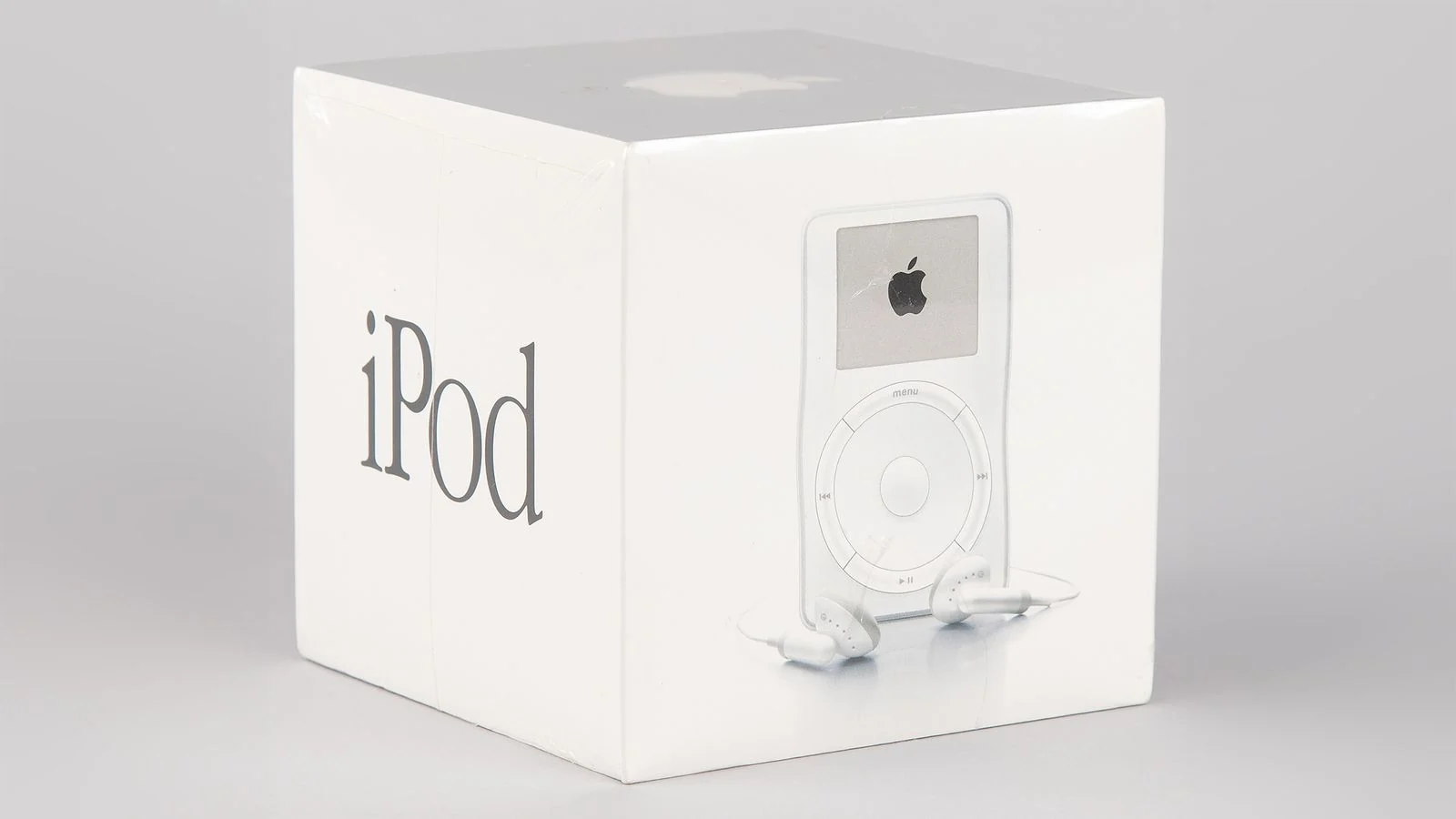
Apple then quickly improved the product. The second generation iPod used a touch wheel, and the third generation in 2003 introduced the 30-pin Dock connector that became widely used. In 2004, the standard-size iPod began to be equipped with a color display, and in 2005 it added video playback capabilities.
At the same time, Apple gradually expanded its iPod product family. The iPod mini launched in 2004 used a smaller anodized aluminum casing, available in silver, gold, pink, blue and green colors, and introduced for the first time the Click Wheel that later became a classic design, integrating touch scrolling operations with playback control buttons.
In 2005, Apple launched iPod shuffle and iPod nano. The former eliminates the screen and adopts a simpler and lighter design; the latter uses flash memory to replace the traditional mechanical hard drive, achieving a thinner and smaller body. Later iPod nano also added functions such as video playback, camera and touch screen. The sixth-generation iPod nano, launched in 2010, even has a square design and can be worn on the wrist with a third-party watch strap.
The commercial success of the iPod came very quickly. In April 2007, Apple announced that cumulative iPod sales exceeded 100 million units, less than six years after the first-generation product was launched. By October 2011, cumulative sales had exceeded 304 million units.
In September 2007, Apple launched the iPod touch. This product is equipped with a 3.5-inch Multi-Touch touch screen, Wi-Fi and Safari browser. It actually has some core interactive features of later smartphones, but it does not have cellular network capabilities.
As the iPhone gradually became more popular, the market position of the iPod began to change. Smartphones combine music playback, Internet access, communications and applications into a single device, shrinking the independent market space for dedicated music players.
Apple stopped selling iPod classic in September 2014, and terminated the iPod nano and iPod shuffle product lines in July 2017. Since then, the iPod touch has become the only model in the entire series still on sale.
The seventh-generation iPod touch was launched in May 2019, using the A10 Fusion processor and providing up to 256GB of storage space. Since then, Apple has not launched any further hardware upgrades for it, and officially announced it would stop producing iPod touch on May 10, 2022, marking the official end of the 21-year-old iPod product line.
Apple stated at the time that the music playback function has been integrated into the company's other products, and consumers can continue to experience the music culture represented by iPod through devices such as iPhone, Apple Watch, HomePod mini, Mac and iPad. Greg Joswiak, Apple's senior vice president of global marketing, also said that the spirit of the iPod will still continue in these products.
Looking back on the 25-year history of the iPod, perhaps its most important contribution is not just creating a best-selling music player, but changing the way people buy, manage and listen to digital music. It allows digital music to enter daily life from computer hard drives, and also helps Apple establish a business model that combines hardware, software and digital content services.
In a sense, without the success of the iPod, it would be difficult to understand the subsequent rise of the iPhone and the Apple ecosystem. Today, dedicated music players have gradually withdrawn from the mainstream market, but the product that can put 1,000 songs in your pocket is still an important turning point in Apple's history that cannot be bypassed.
Comments