
Abstract:
Apple has just launched the new iPad mini equipped with an OLED screen at the end of October 2026, but this does not mean that this year’s iPad product updates are over. According to the latest information disclosed by Bloomberg reporter Mark Gurman, Apple plans to launch three new iPads in the first half of 2027, namely iPad Air, iPad Pro and entry-level standard version of iPad. The three products will be upgraded in display technology, cooling capabilities and artificial intelligence functions respectively.
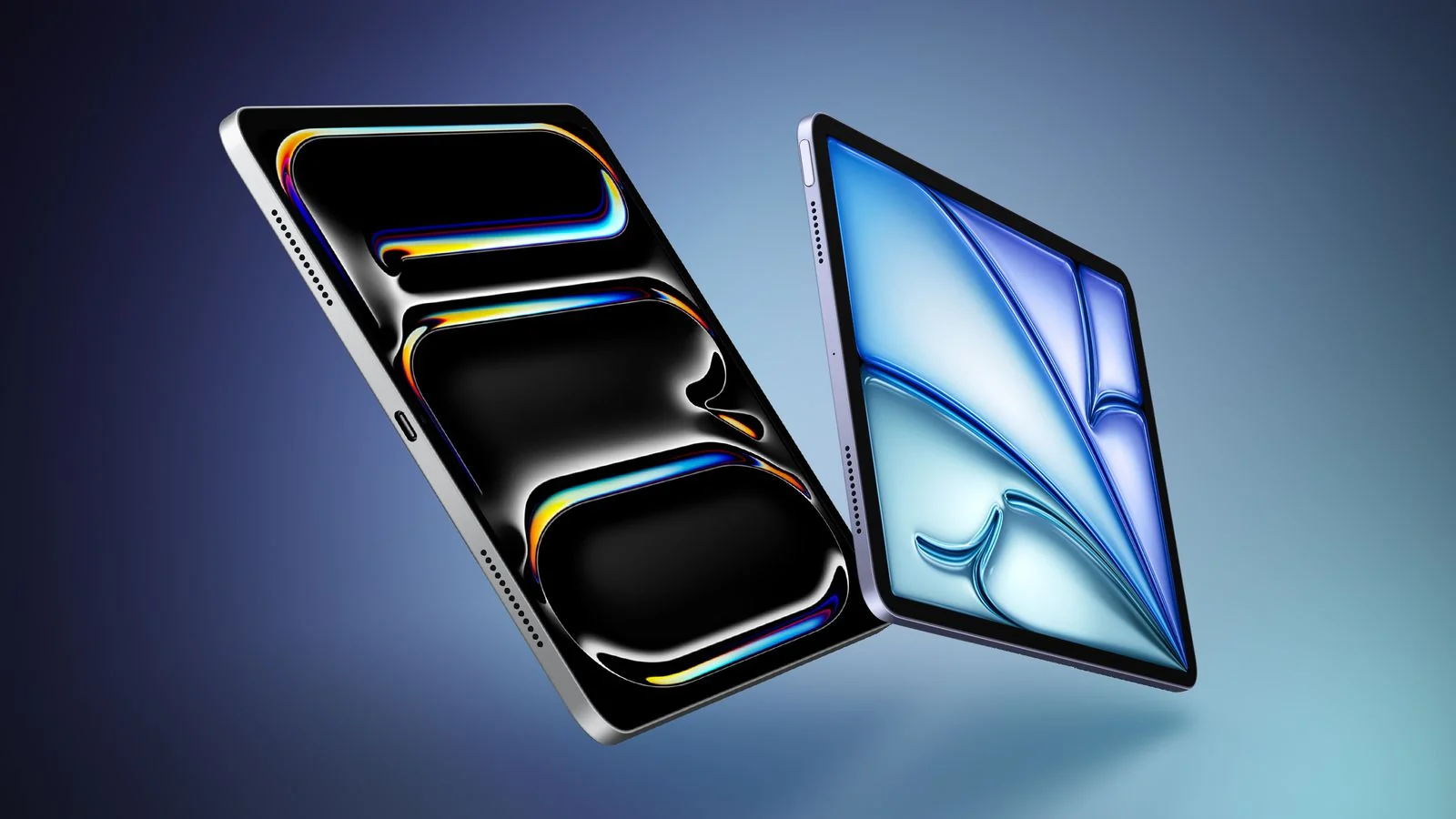
Among them, the iPad Air may usher in an important change: the first use of an OLED display.
Currently, the iPad Air still uses an LCD screen, while OLED technology has gradually entered Apple's higher-end product lines. As the new iPad mini in 2026 also begins to adopt OLED screens, Apple seems to be accelerating the pace of promoting this display technology to the entire iPad series.
The biggest difference between OLED and traditional LCD is that the pixels can emit light independently without the need for additional backlight modules. Therefore, OLED screens can present deeper blacks, higher contrast ratios, and more vivid colors, while also having the opportunity to reduce power consumption when displaying dark content.
If the next-generation iPad Air does use an OLED screen, the display technology gap between it and the iPad Pro will be further narrowed. However, the two may still maintain product positioning differences through refresh rate, display brightness, chip performance, and other professional features.
In terms of processor, the next generation iPad Air is expected to be equipped with an M5 chip. This will bring greater computing power than existing models, while providing more sufficient performance reserves for running large applications and artificial intelligence functions.
In contrast, the upgrade focus of the next generation iPad Pro may not be the screen, but the cooling system.
Gulman predicts that the new iPad Pro will introduce VC vapor chamber (Vapor Chamber) cooling technology. This technology has been widely used in high-performance laptops, gaming equipment, and some high-end smartphones. It can quickly spread the heat generated by the chip to a larger area through the cycle of evaporation and condensation of the internal liquid.
For iPad Pro, which uses high-performance M series processors, heat dissipation capacity directly affects whether the device can maintain high performance for a long time. Especially in sustained high-load tasks such as video editing, three-dimensional design, large-scale games, and artificial intelligence calculations, the chip may reduce its operating frequency due to excessive temperature.
VC vapor chamber can improve heat distribution and reduce the temperature of local hot spots, allowing the processor to maintain high performance for a longer period of time. Therefore, the introduction of this technology may allow the next-generation iPad Pro to achieve significant improvements in sustained performance.
In terms of processor, the new iPad Pro is expected to upgrade from the current M5 series to the M6 chip. When combined with a vapor chamber cooling system, M6 may further improve the performance of the device under professional workloads.
As for the entry-level iPad, Apple plans to launch a 12th-generation product, and its upgrades will focus on processors, wireless connections and artificial intelligence functions.
Previous supply chain news showed that the new entry-level iPad may be equipped with the A19 processor. Compared with the current A16 chip, A19 can not only bring stronger CPU and GPU performance, but also enable this tablet originally targeted at the mass market to obtain the hardware foundation to run Apple Intelligence.
In terms of wireless connection, the new device is expected to use Apple’s self-developed N1 wireless chip and support Wi-Fi 7. The cellular network version may be equipped with Apple's C1X modem to improve mobile network connection efficiency.
If these configurations are finally confirmed, the entry-level iPad will no longer be just a low-priced tablet used for web browsing, video playback and basic office work, but a device that can run Apple's artificial intelligence functions and support a new generation of wireless networks.
Judging from the upgrade direction of the three products, Apple is further clarifying the positioning of the iPad product line: iPad Air narrows the display experience gap with the Pro series through OLED screens, iPad Pro releases the continuous computing power of high-performance chips through a more advanced cooling system, and the standard iPad uses the A19 processor and Apple Intelligence support to improve the service life and functional integrity of entry-level products.
It is worth noting that these three products are expected to be launched in the first half of 2027, but the information currently disclosed mainly comes from Gurman’s supply chain news and product planning judgment. Apple has not officially announced the specific configuration and launch date. In particular, the news that the iPad Air uses an OLED screen still needs to be further confirmed by subsequent product information.
If you plan to buy an iPad in the near future, this round of updates in the first half of 2027 is worth paying attention to. Especially for consumers who want to buy an iPad Air, the OLED screen may be an upgrade worth waiting for; and for professional users, the vapor chamber cooling system of the next generation iPad Pro may be more practical than simply improving processor performance.
Comments