
Abstract:
The global memory chip market is experiencing a new round of price increases, and this trend may continue to affect smartphone pricing in the coming years.
The latest industry analysis points out that as DRAM memory prices continue to rise, smartphone manufacturers including Apple will face increasing cost pressure, and consumers may continue to face rising prices when purchasing iPhones in the future.
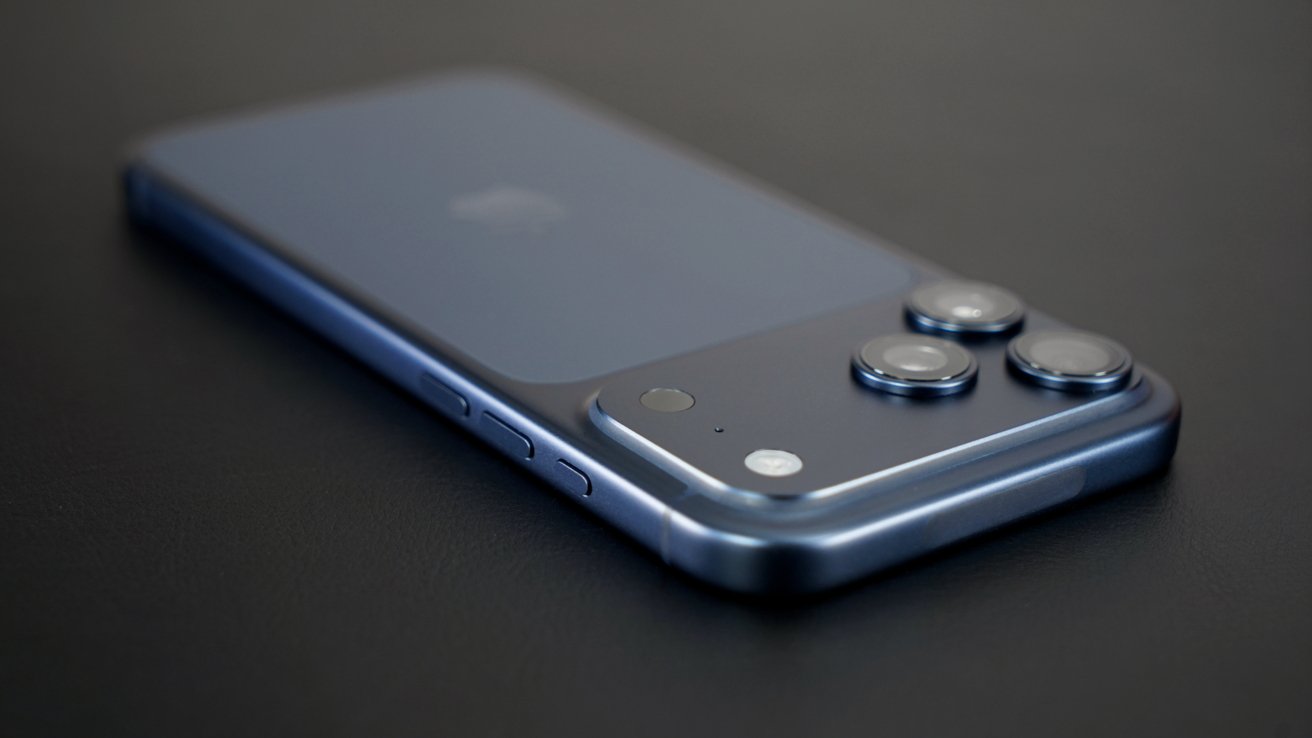
Analysts believe that this round of memory price increases is closely related to the rapid expansion of the artificial intelligence industry. In recent years, the construction of large-scale language models, AI inference platforms, and data center infrastructure has driven huge demand for high-performance storage products, causing major storage manufacturers such as Samsung Electronics, SK Hynix, and Micron to invest more resources in more profitable AI-related products.
Against this background, the growth rate of traditional DRAM supply for the consumer electronics market has begun to slow down. Although smartphones, tablets and laptops still require a large number of memory chips, the competition for production capacity in AI servers is changing the resource allocation pattern of the entire industry chain.
For Apple, the problem is not only the increase in memory prices, but also the increasing demand for memory capacity in the iPhone itself in the future. As Apple Intelligence and more generative artificial intelligence functions continue to be added to the system, the requirements for running memory on the device side are getting higher and higher. Higher-capacity memory configurations mean higher material costs, and rising memory chip prices further amplify this pressure.
Market research institutions predict that DRAM price increases will not end in the short term. Some forecasts believe that it will be difficult for the memory market to see significant relief until at least 2028. Even if new production lines are put into production one after another, the growth in demand from the artificial intelligence industry may continue to digest the new production capacity, thus maintaining a high price level.
In the past, Apple usually absorbed part of the rising cost pressure through supply chain management, long-term purchasing agreements and product structure adjustments. However, analysts point out that when the prices of key components remain high for a long time, manufacturers often end up needing to pass on some of the costs to consumers.
It is worth noting that the iPhone has experienced several rounds of price adjustments in recent years. With the upgrade of hardware configuration, expansion of artificial intelligence functions and changes in global supply chain costs, the starting prices of new generation products are gradually rising. If DRAM prices continue to remain strong in the next two years, the possibility of Apple further adjusting selling prices will also increase.
In addition to Apple, the entire smartphone industry may be similarly affected. Flagship mobile phones in the Android camp are also increasing running memory capacity and strengthening local artificial intelligence capabilities. Therefore, changes in the memory industry will not only affect a single brand, but may push the entire high-end smartphone market into a new pricing stage.
Analysts said that it is still unclear how much the iPhone will increase in price in the future, but what is certain is that memory chips have become one of the most important variables affecting the cost of end products. In the era of artificial intelligence, computing power and memory requirements are growing simultaneously, and this trend is likely to continue to reshape the price structure of consumer electronics products in the next few years.
Comments