
Abstract:
The uproarious Honor lock screen incident has been reversed, but the various useless functions on the phone really need to be rectified. I believe many people have read this news. Mr. Zhang posted online and complained that the built-in magic wallpaper lock screen of Honor mobile phones interfered with the normal unlocking operation of the phone, making it impossible to make emergency calls, which indirectly caused his mother to miss the "golden rescue time" for myocardial infarction.
But yesterday afternoon, there was a new development in the incident - Mr. Zhang posted a post clarifying that his father successfully made an emergency call using his mobile phone that night, and Honor also responded.
The fact that Magic Illustrated was slandered has come to light, but the discussion on related functions on social media has not ended.
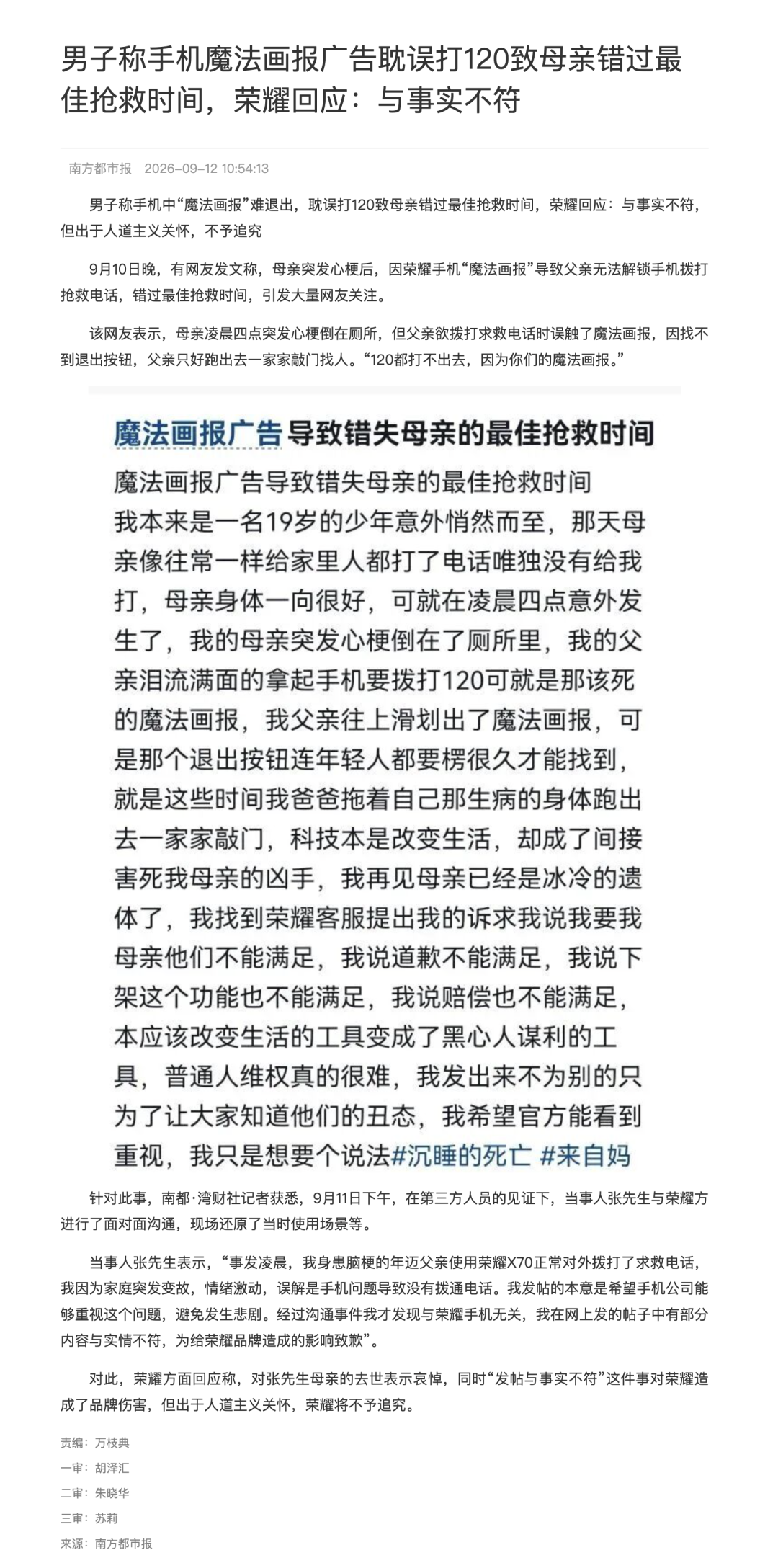
The reason is simple - wallpaper functions similar to "Magic Illustrated" had been criticized for a long time before this incident happened.
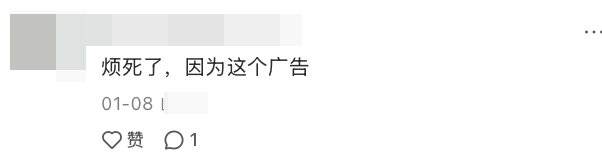
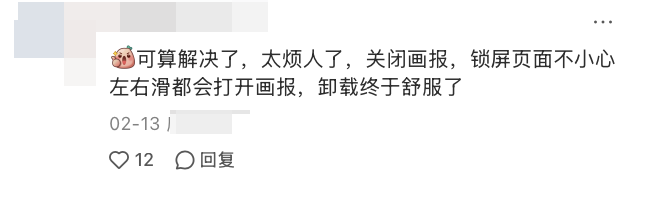
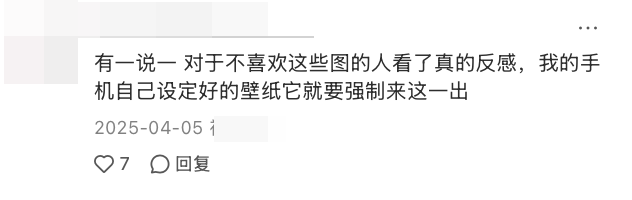
For those who have never heard of this name, they may be stunned: What on earth is this?
Maybe if I change my name, it can jog everyone's memory. This function is called "Xiaomi Pictorial" on Xiaomi phones, "Reading Picture Lock Screen" on vivo phones, and "Lehua Lock Screen" on OPPO phones - yes, almost all Android phones now have functions similar to "Magic Pictorial".
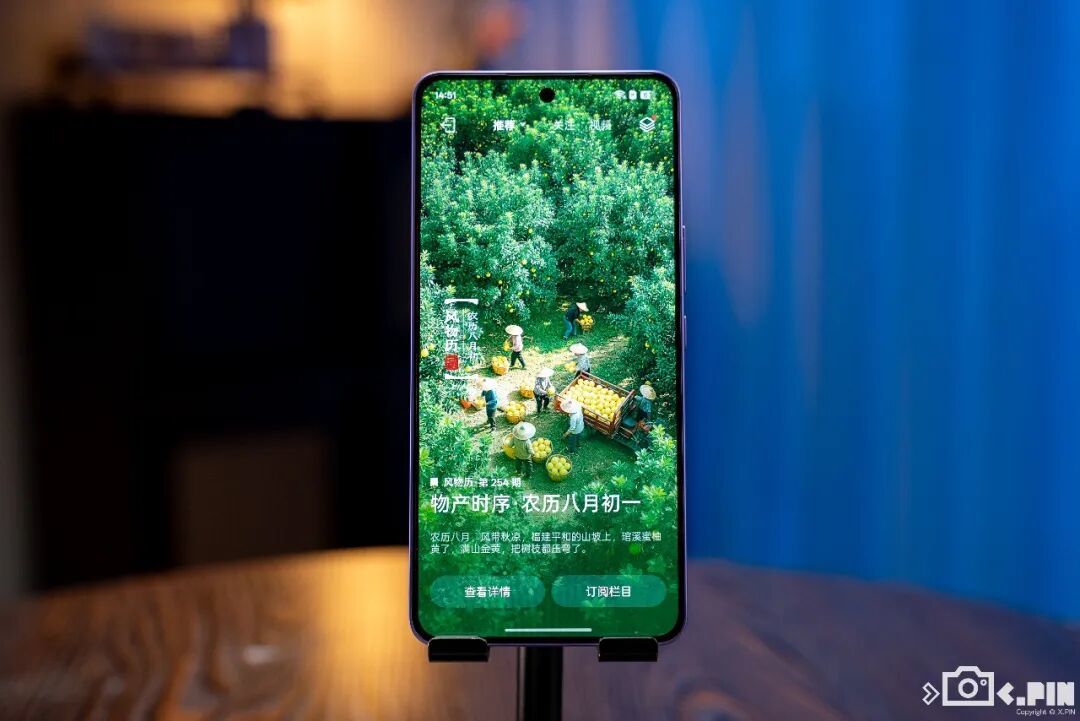
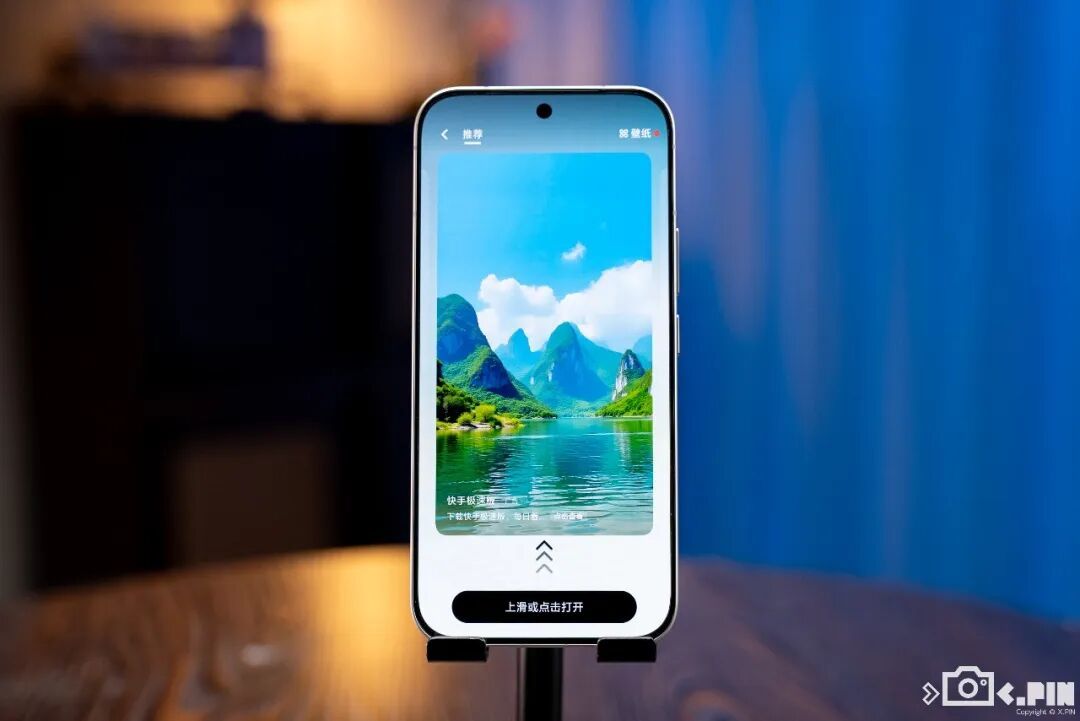
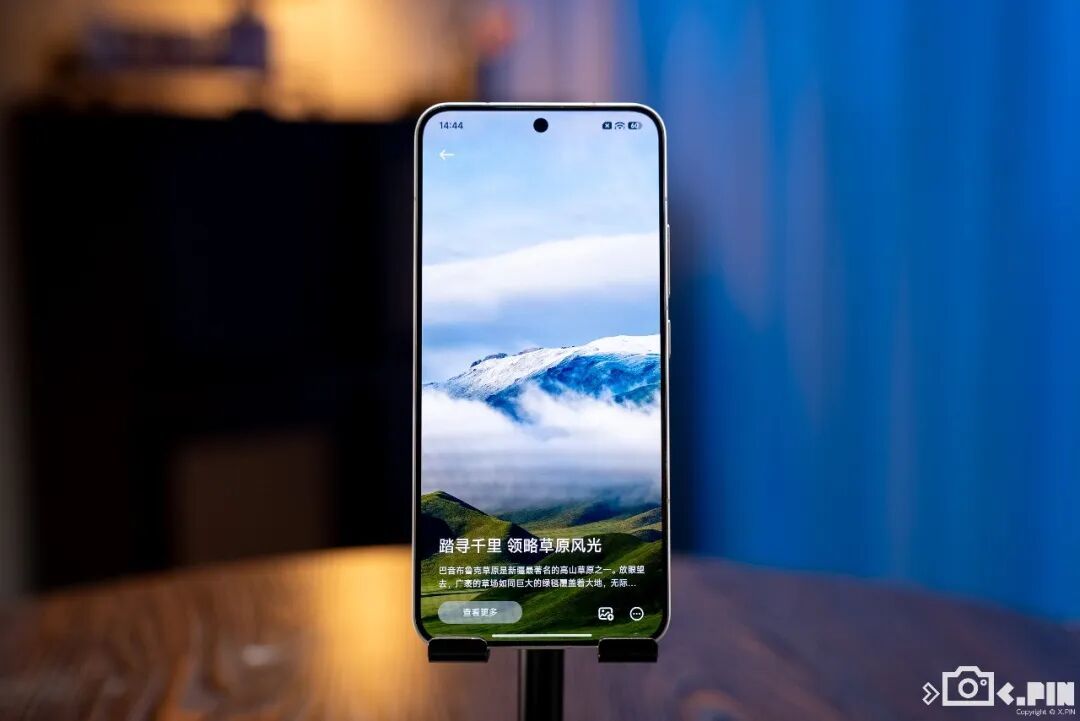
It is actually very simple. It is to add a picture carousel function on the basis of the fixed wallpaper on the lock screen, so that the lock screen is no longer a static picture, but a high-definition photography that changes automatically every day.
We also found a few mobile phones of other brands from our library for everyone to try, and found that the "lock screen pictorial" of each brand has a common feature. It is difficult to find the exit button. Once you slide in, you need to study for a while before you know how to exit.
If you do not exit, the user will not be able to use other functions of the phone, including the most basic phone calls.
We also specifically tried how to turn off this feature.
It can be seen that whether it is Honor, Xiaomi, vivo, or OPPO, you basically have to click two or three times in the settings to find the switch of this function. Some mobile phones even have the switch split into two or three, and you need to click them all to completely turn off this function.
And because each system names the lock screen icon differently, many users simply don’t know what this function is called, and therefore cannot directly search for the switch of this function on the settings homepage.
But ironically, this feature is checked by default in the boot boot of every mobile phone manufacturer. As long as you buy a new mobile phone and click "Next" all the way when booting it up, this feature will be turned on by default.
At the end of the day, Tony, I couldn't help but ask: Why doesn't the manufacturer just remove a feature that a user can't use but can't turn off?
I don’t need to tell you, some friends have already guessed it - it’s convenient for advertising.
However, this function was first developed to provide users with a good experience.
In 2014, Huawei made something called “Magazine Lock Screen” in EMUI 3.0.
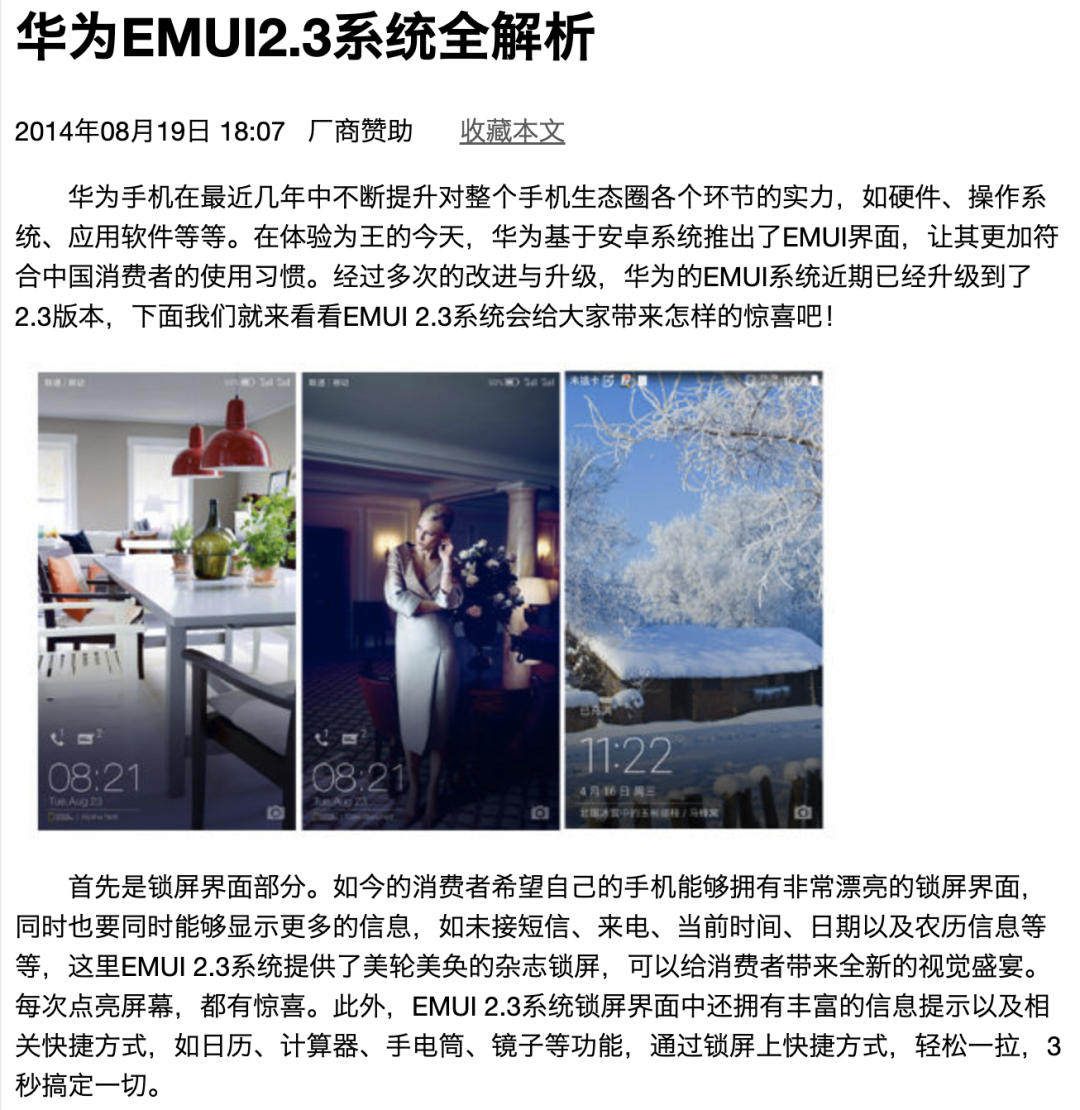
What Huawei said at the time was quite moving. The EMUI Design Director explained the starting point this way: "Even a fragmented time like unlocking the phone deserves respect and in-depth interpretation."
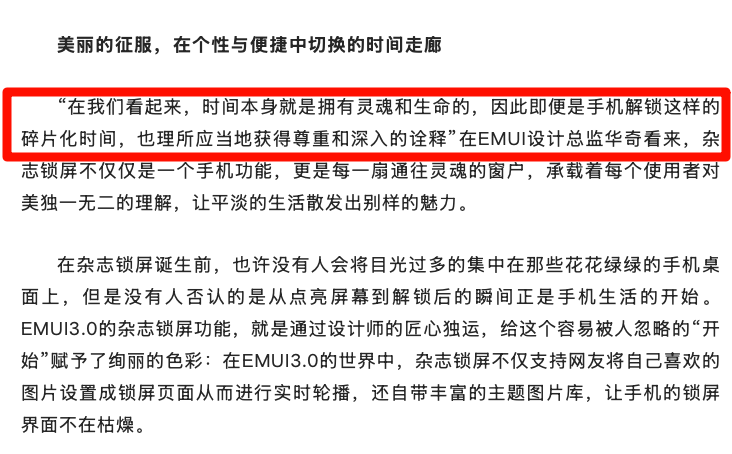
The reason given by the product team is also very simple: a moderate user will unlock it more than 100 times a day, but the page you view the most is monotonous for a long time.
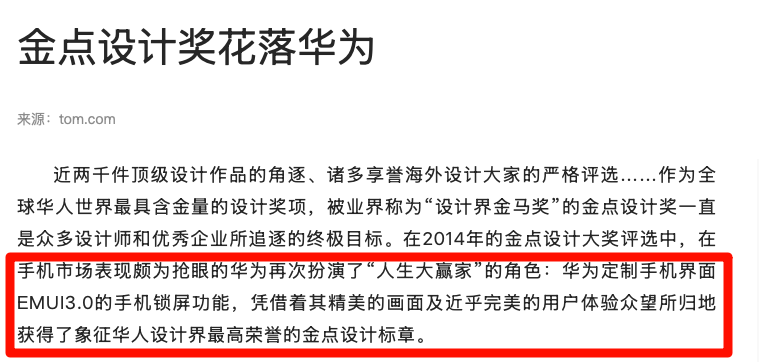
In the first year after its release, the magazine lock screen function won the Golden Pin Design Award. The Golden Pin Design Award has its origins. It was once called the "Golden Horse Award" in the design industry.
As a result, this feature was quickly adopted by other mobile phone manufacturers, and the lock screen pictorial was pre-installed, quickly becoming a standard configuration of domestic Android phones.
However, manufacturers have gradually discovered that this lock screen pictorial is only used to display some good-looking photos, which seems a bit "wasteful".
It has many and stable exposure times. As long as the user lights up the screen, he will inevitably see it once. Moreover, it is on the outermost layer of the entire phone, and the user must pass through it to enter the phone.
No matter how you look at it, this is a good place to place advertisements.
As a result, inserting advertisements into lock screen pictures has become a tacit behavior of various manufacturers. The advertising revenue generated by the lock screen has also become a part of the "Internet service revenue" of mobile phone manufacturers.
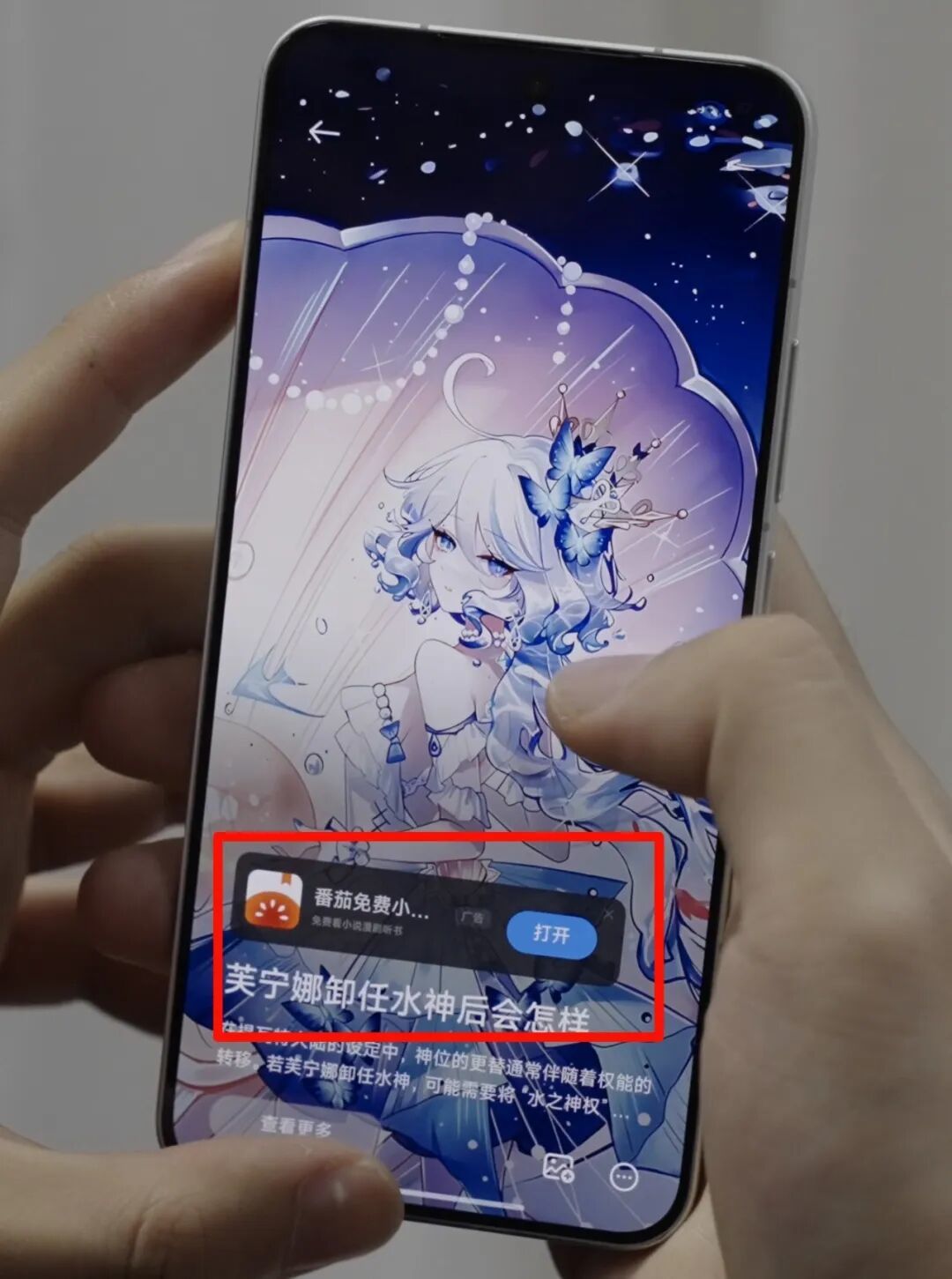
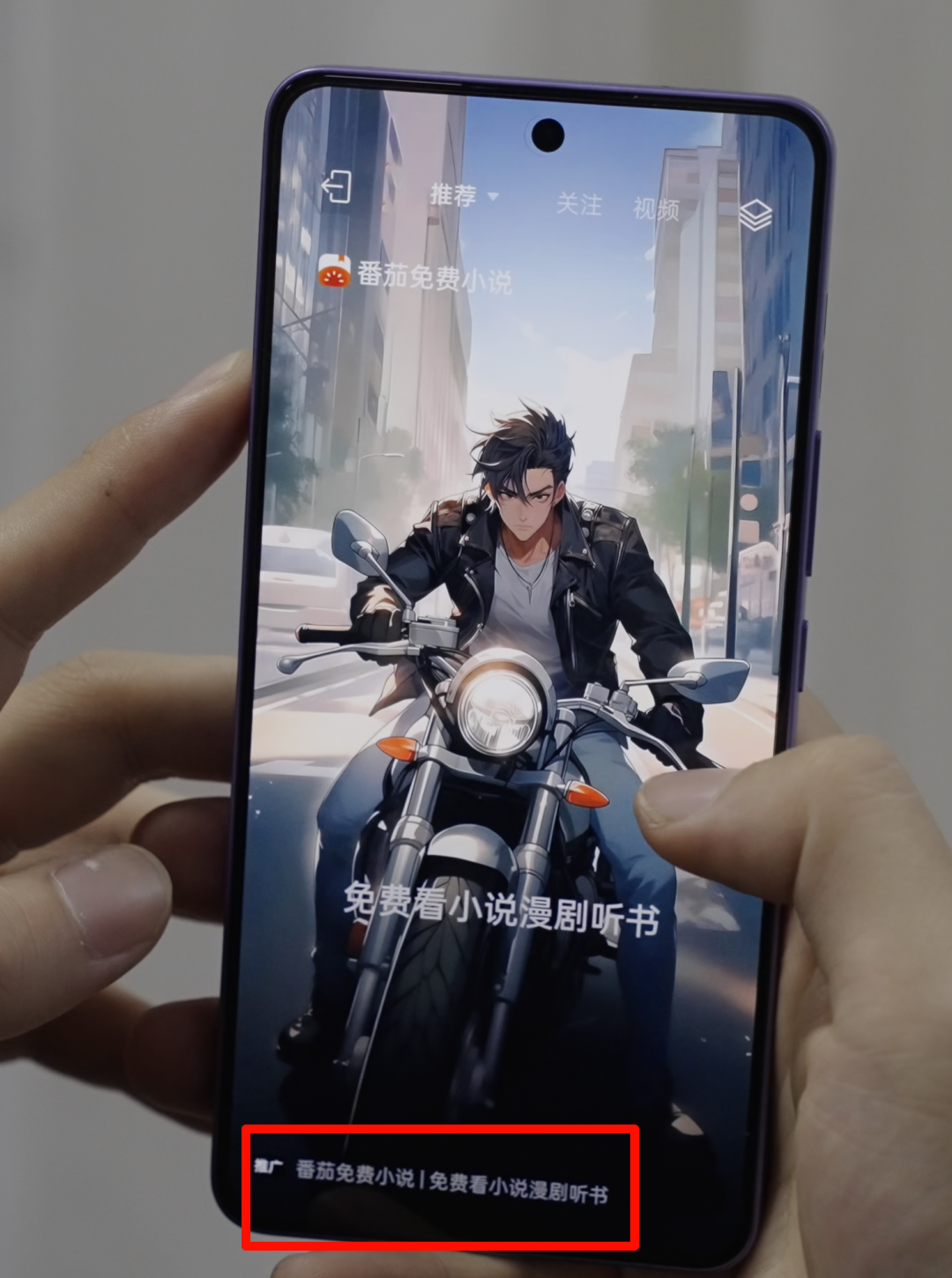
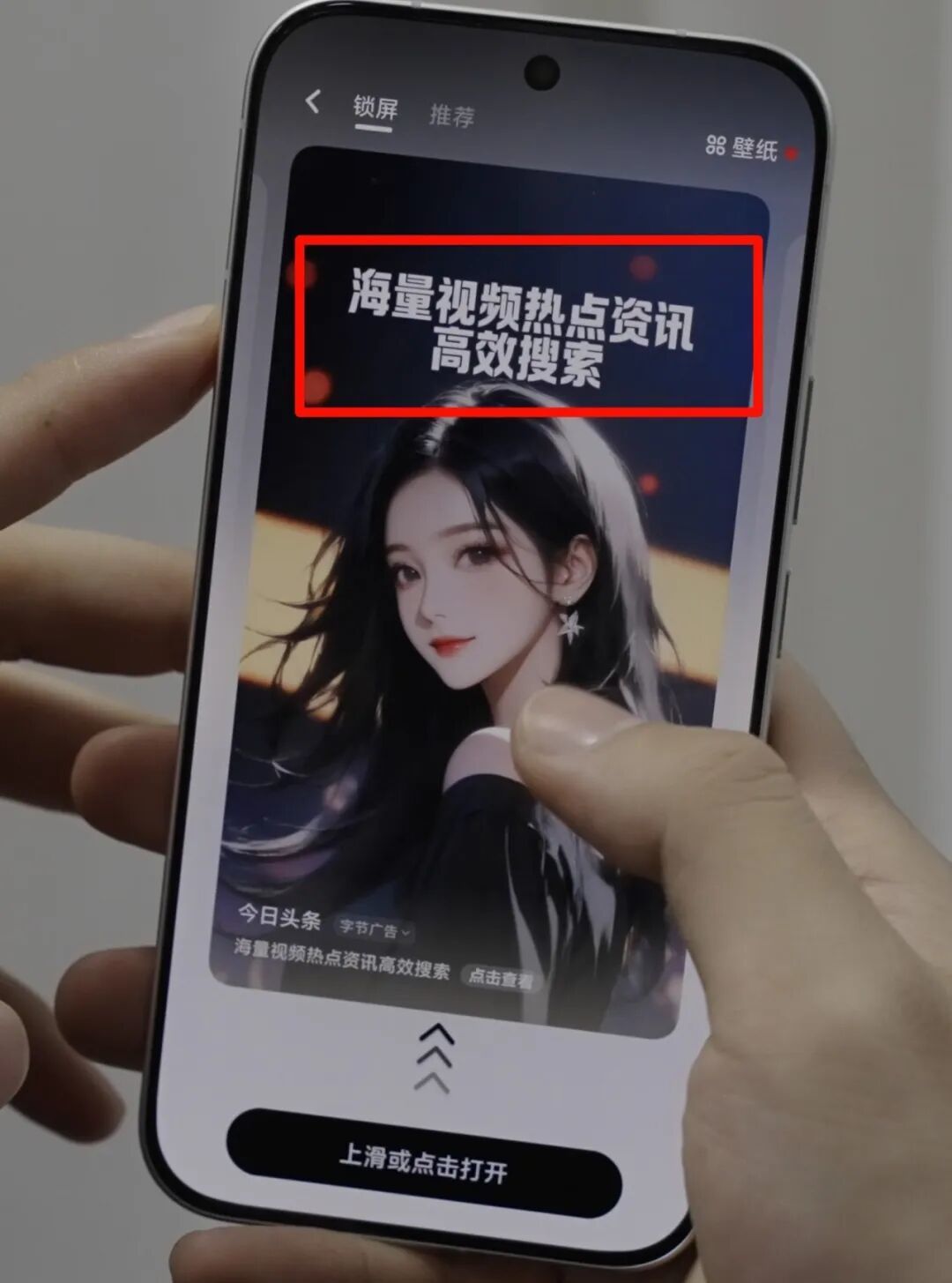
After finally finding such a position that can make money stably, manufacturers will naturally not take it away easily. They can only make users feel aggrieved. If that doesn't work, they can also use the words "Our service can be turned off in the settings" to excuse themselves.
In fact, many seemingly useless functions in current mobile phone systems follow this logic.
When I opened the weather app, I just wanted to check if it was raining, but it was filled with information cards and promotional spots. The same routine is used in the desktop folder called "Guess You Like", and in the negative screen called "Hot News", "Content Selection", and "Today's Recommendation".
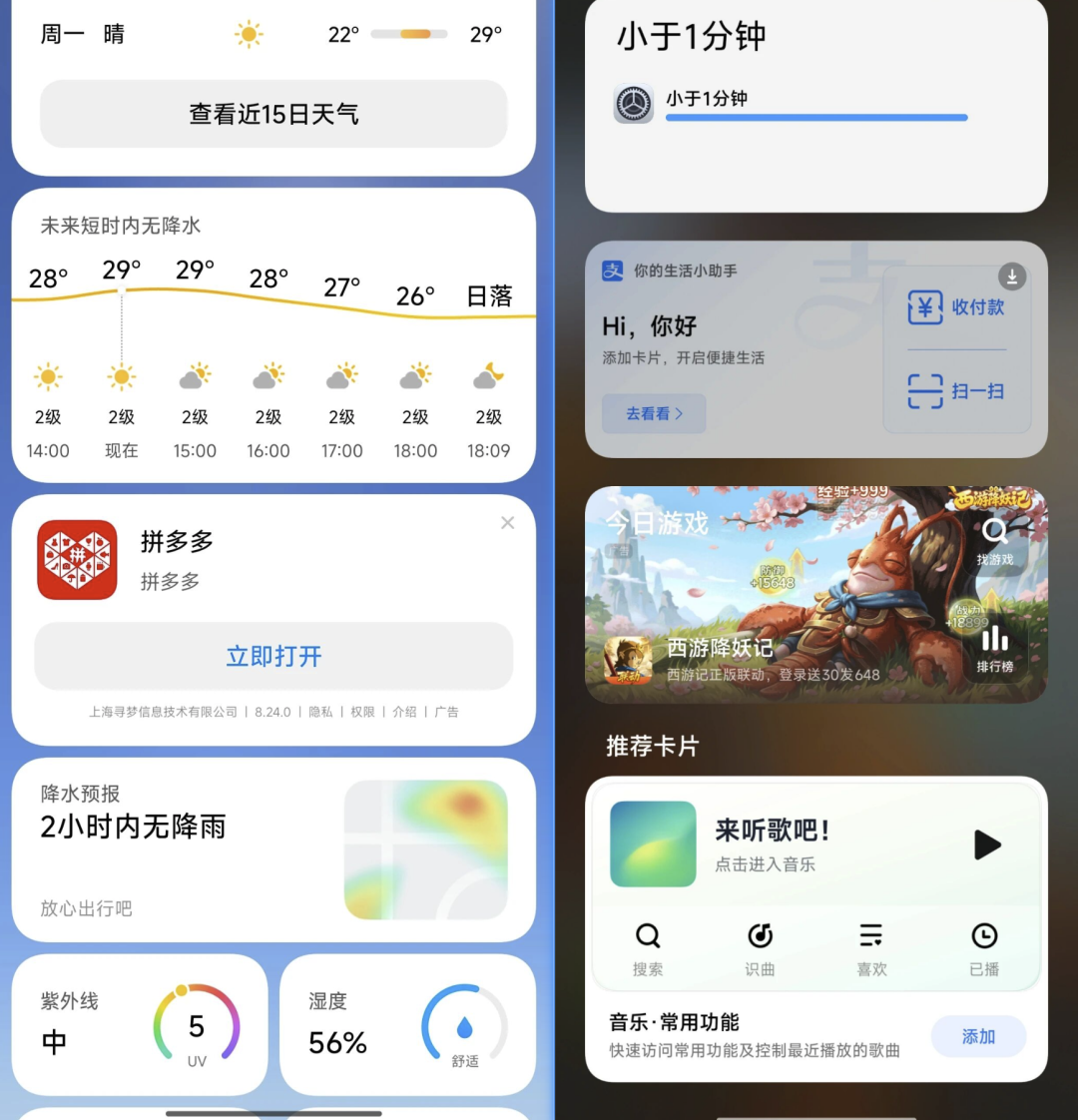
The manufacturer named this thing "content service".
But readers who have used domestic mobile phones should know that they hardly solve any problems of users, but only solve the problems of manufacturers - squeezing an extra exposure space in places that users must click on every day.
So for a long time, consumers have been decrying why mobile phone manufacturers have repeatedly banned advertisements embedded in the system, and the trend is getting worse.
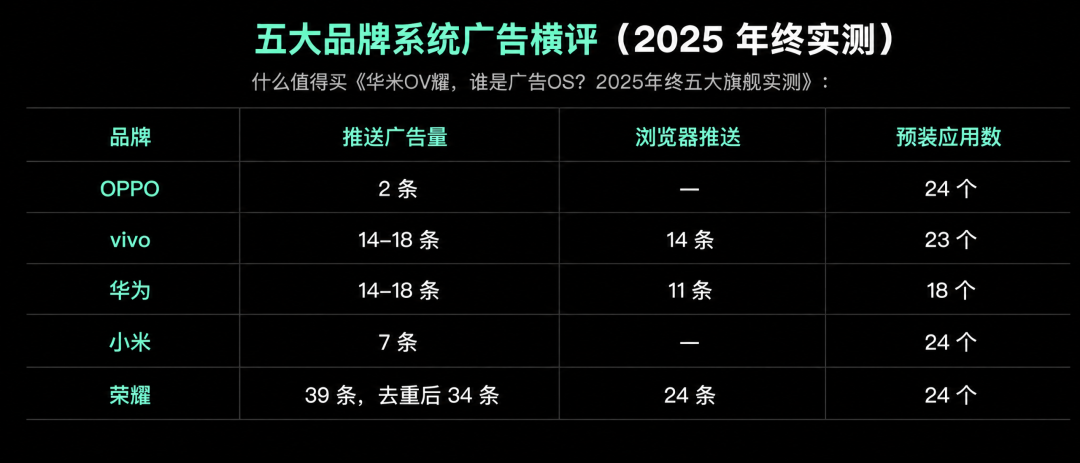
In fact, we have also discussed this issue with the R&D personnel of mobile phone manufacturers, and the results may make you feel a little incredible:
It is difficult for domestic mobile phones to make money from hardware.
Under fierce competition, the gross profit margin of mobile phone hardware is very low. In comparison, it is much easier to make money through "Internet services".
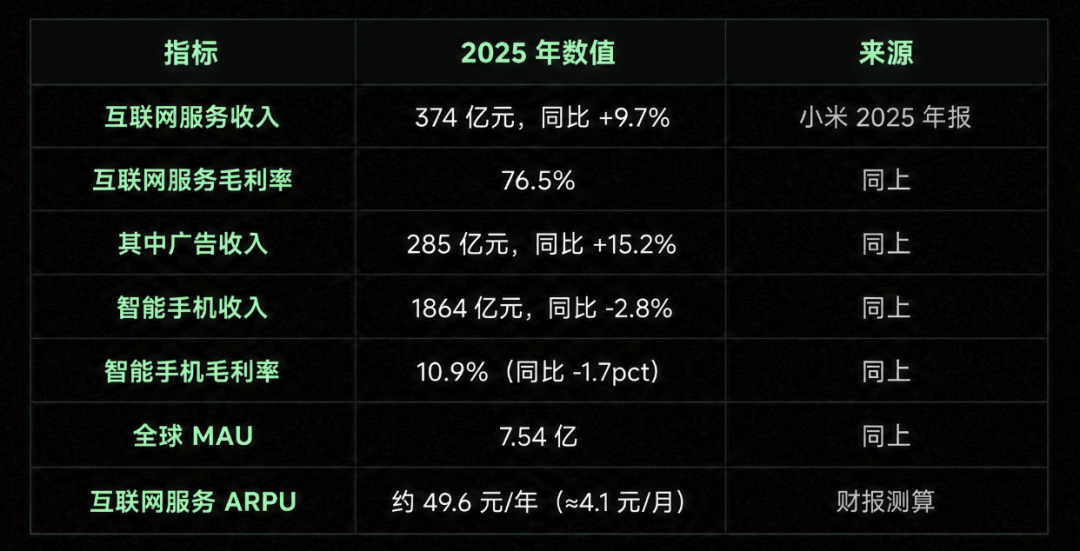
Let’s take Xiaomi’s financial report as an example: Xiaomi’s annual Internet service revenue last year was 37.4 billion yuan, with a gross profit margin as high as 76.5%. Advertising revenue here accounts for 28.5 billion.
Although the smartphone business seems to have huge numbers, its gross profit margin is only a pitiful 10.9%.
In the early years, there were reports on the Internet that the sales profit of Apple's iPhone was about US$151 per unit, while
the profit of domestic Android mobile phones was as low as US$2 per unit.
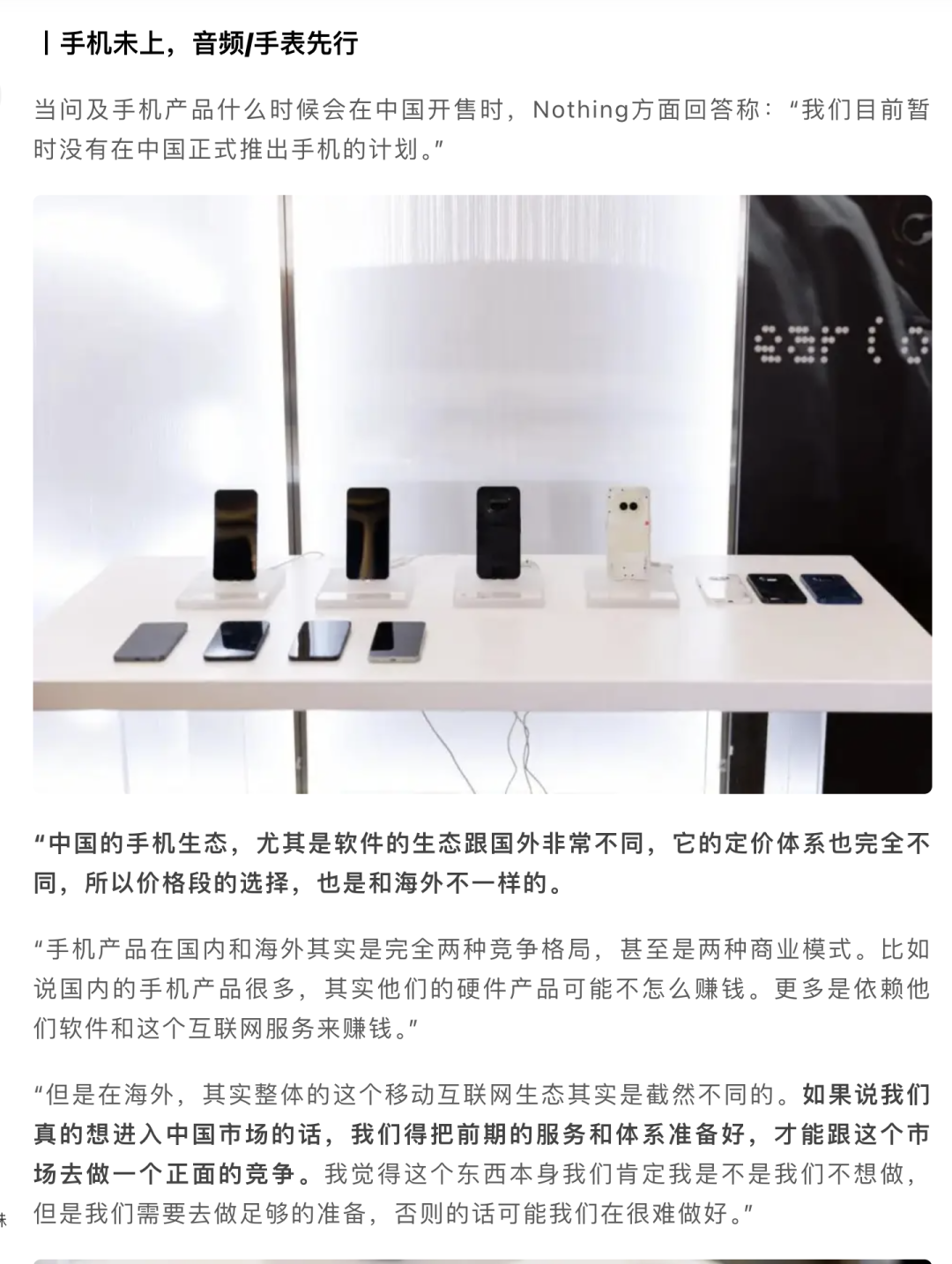
When we attended the press conference of the British mobile phone brand Nothing, their brand representatives also talked about similar things:
At that time, some media at the scene asked Nothing why it did not enter China. Representatives of Nothing said that mobile phone price competition in mainland China was too fierce. They did not want to embed advertisements in the mobile phone system, but they could not find other ways to compete with domestic manufacturers on price while maintaining normal profits.
(Picture note: Our colleague Smart Cat also participated in that event, and here is a text report they left behind)
As an aside, Nothing finally released a mobile phone in mainland China to test the waters. As a result, the Qualcomm Snapdragon 7s Gen4 processor and the starting price of 4,000 yuan were directly criticized as a roadside device.
In such a realistic situation, the saying "Hardware makes friends, software makes money" seems to have become the default rule in the industry.
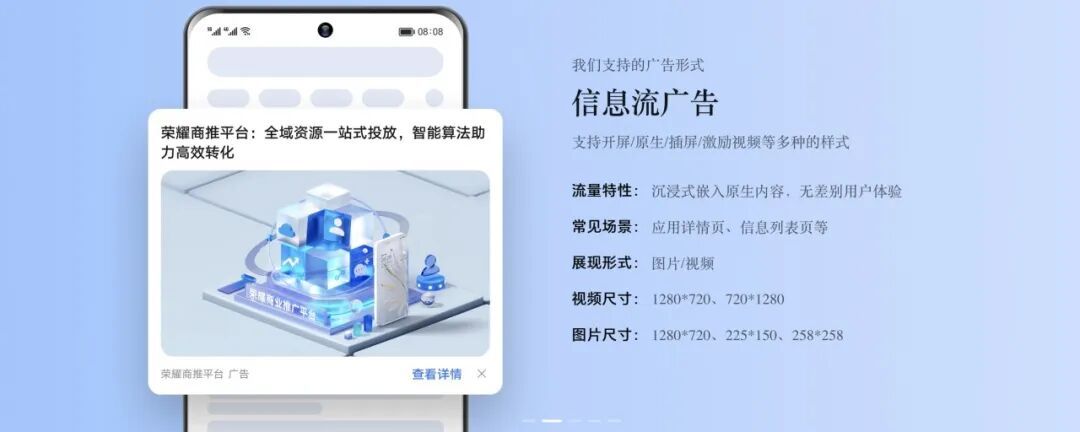
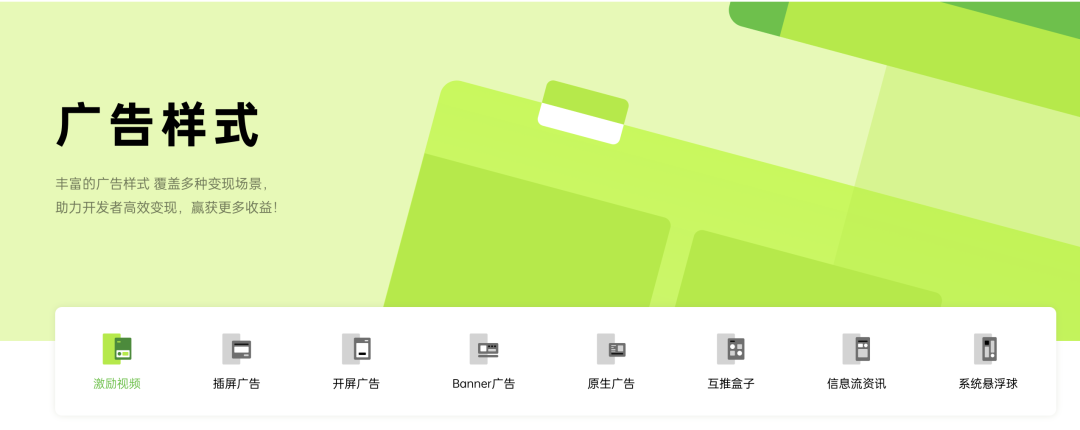
Now if we search for "mobile phone brand name + advertising service", we can easily see how mobile phone manufacturers "sell" various locations in our mobile phones.
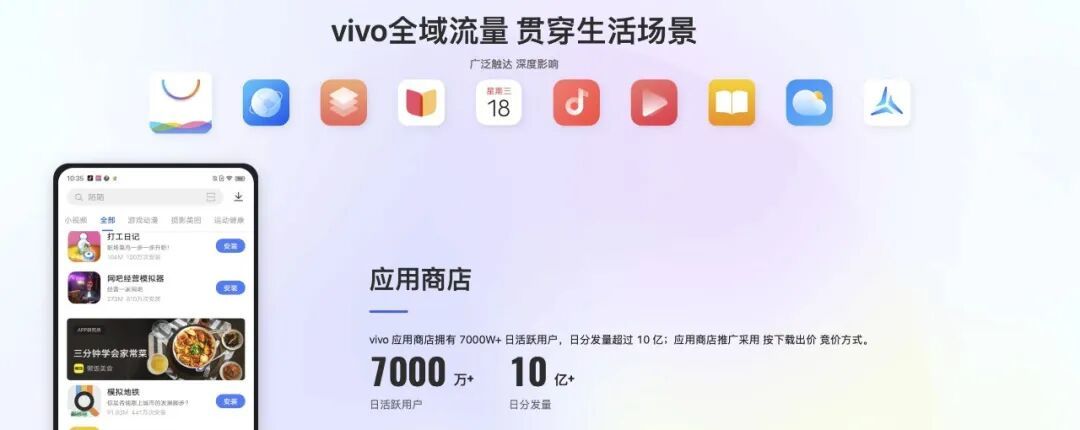
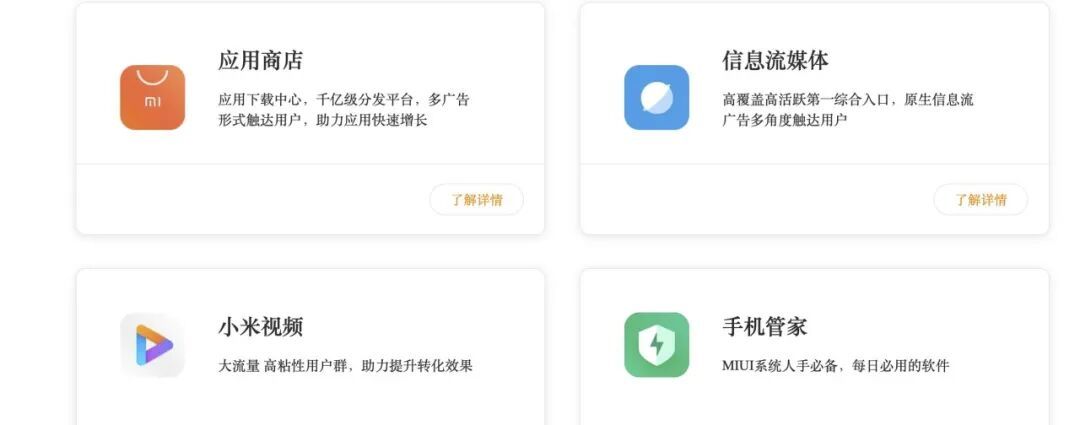
For so many years, the industry has been trying to get consumers to accept a concept: we cannot let mobile phone manufacturers make no money, and at the same time we need cost-effective mobile phones.
As a result, we gradually saw that advertisements such as bidding rankings appeared in drop-down searches, negative screens, and app stores on mobile phones, and third-party apps were the hardest hit by advertisements.
Don’t think that the opening screen advertisements of third-party apps have nothing to do with mobile phone manufacturers. Since many third-party apps are small in size and cannot receive open-screen advertisements, mobile phone manufacturers have specially provided open-screen advertising access services. Developers can display open-screen ads in their apps by integrating the mobile phone manufacturer's SDK. As for the money earned, the mobile phone manufacturers and third-party App developers share the accounts.
Currently, mainstream manufacturers such as Huawei, Xiaomi, OPPO, VIVO, and Honor all provide similar one-click access to open-screen advertising services.
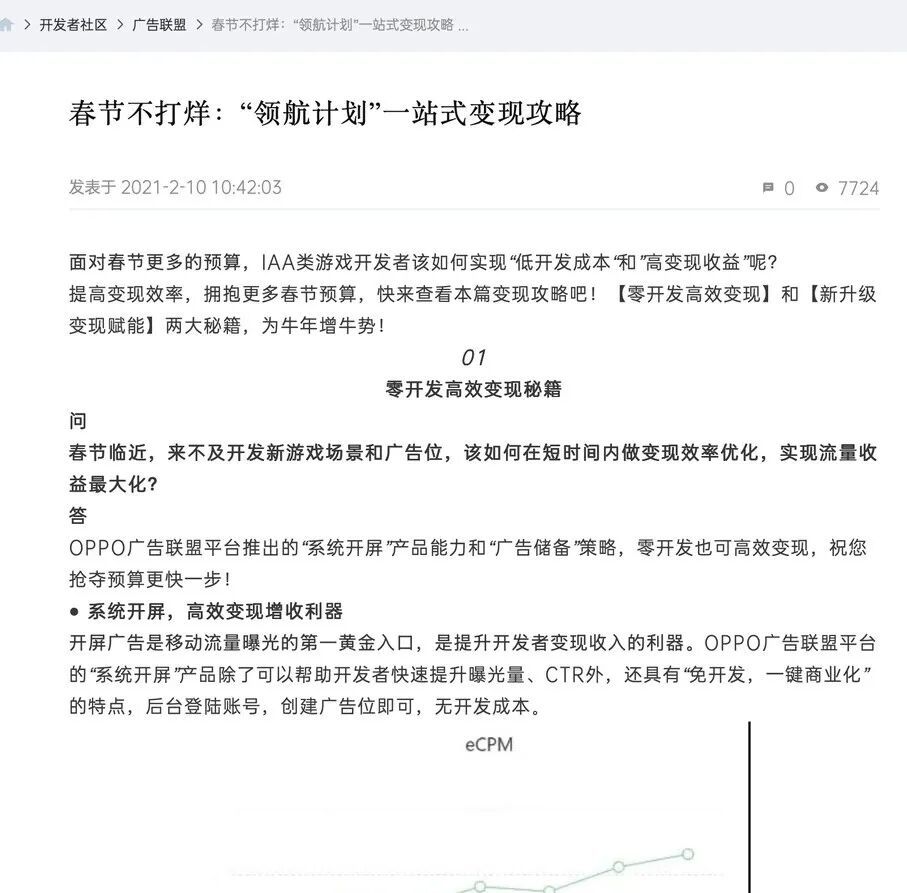
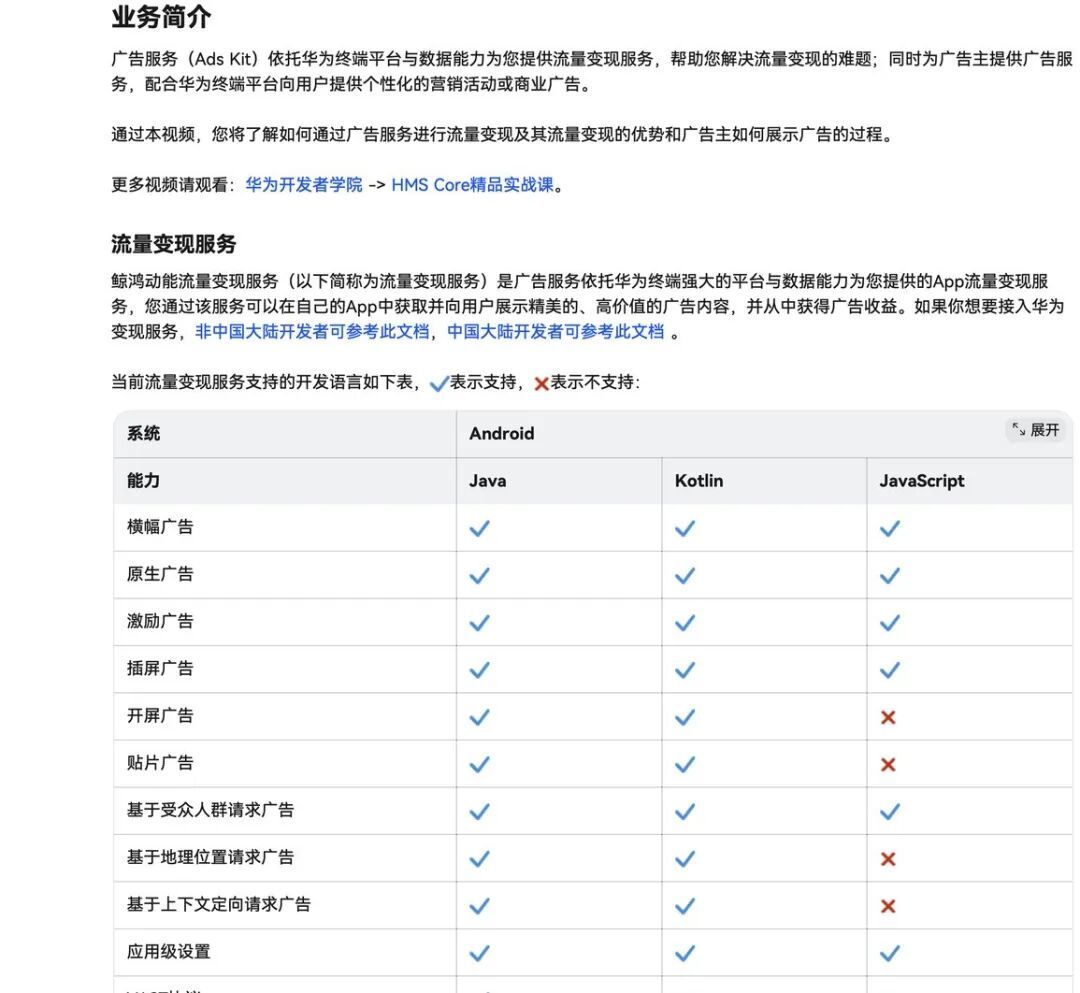
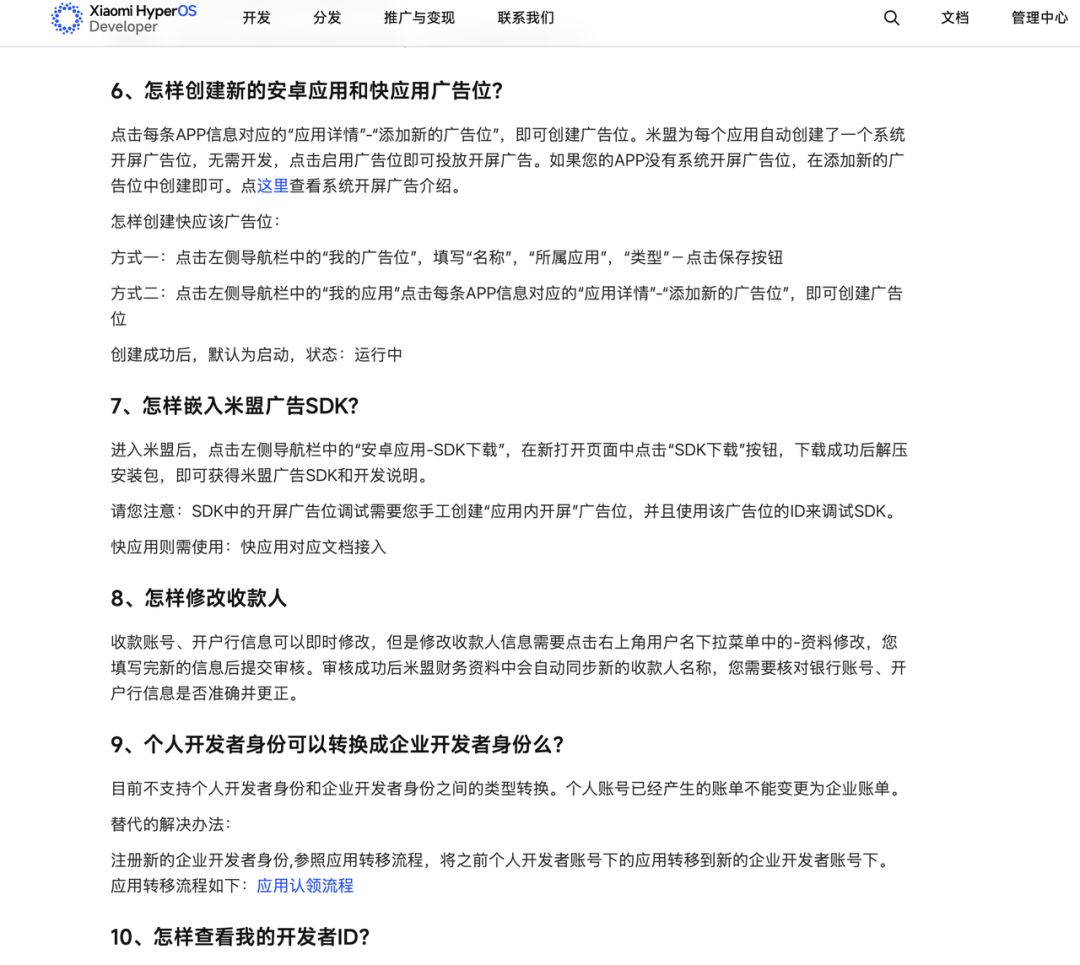
Even Xiaomi and OPPO provide more considerate services based on this basic service:
App developers do not even need to integrate anything from mobile phone manufacturers
SDK
, You only need to register the app information that you want to display open-screen ads in the mobile phone manufacturer's development backend, and the mobile phone system can directly provide open-screen advertising service when the user opens the app
service.There were some tutorials on the Internet before, saying that as long as certain "optimization components" of mobile phone manufacturers are disabled, some open-screen advertisements can be blocked. The principle is this: because some open-screen advertisements are displayed by mobile phone manufacturers using their own system components to help third-party APPs...
After displaying the open-screen advertisement, the money earned is still divided between mobile phone manufacturers and app developers.
Faced with this situation, over the years, consumers have complained, but they have never done anything extraordinary. Even now in some posts discussing mobile phone advertising, everyone has begun to discuss whose system is more convenient for turning off ads, rather than whose system has fewer ads.


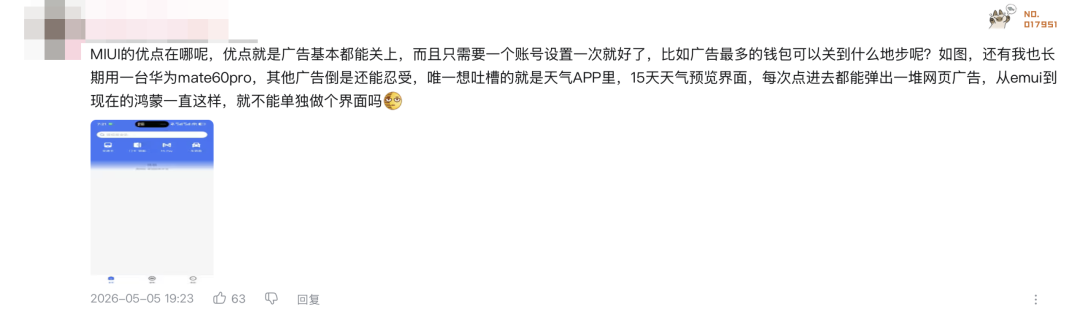
But it is a pity that manufacturers will not give up just because of the change in consumer mentality. Instead, they will intensify their efforts to add advertisements to mobile phones.
When today's consumers use mobile phones, they have to face ambushes from mobile phone manufacturers and APP developers at the same time.
For example, a while ago a navigation app popped up a shake advertisement during driving navigation. Many users reported that the road was bumpy while driving, which actually caused the gyroscope to sense and trigger a jump directly.
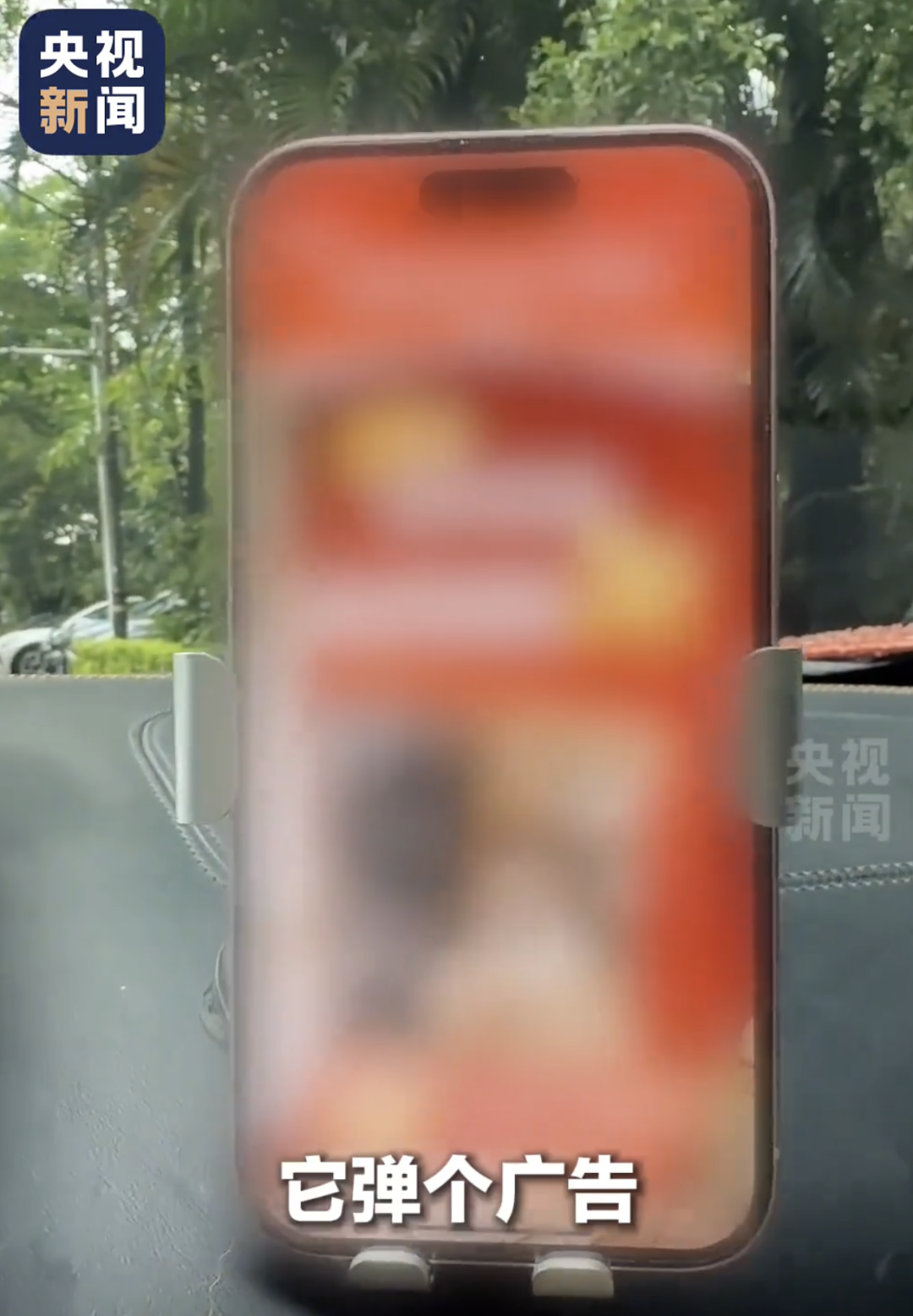
Some bloggers specifically exposed and complained about this matter. Guess what, it took a long time for the App to take notice and removed the open-screen advertisement, but only for 4 days. Then the App added the open-screen advertisement back, but it was not so easy to trigger it by shaking...
Another example is a video that happened to be posted on the Internet in the past two days. According to a netizen’s revelation, the blogger @小冠李博said that a visually impaired person was photographed using a mobile phone and was having a hard time because of the ads on the screen.

This kind of behavior of constantly pushing the bottom line for advertising revenue makes people want to ask: "Do these advertisements you do have a certain degree?"
From the advertising service platforms just mentioned, we can see that application opening screens, pop-up windows, banners, places we can think of, plus many unexpected places, have long been used by manufacturers to post advertisements openly.
It has long been debunked that mobile phone manufacturers have no other profit channels except selling hardware.
Why risk offending users by retaining a lot of useless features and forcing ads?
Especially functions and applications such as lock screen, camera, and navigation need to be opened as soon as possible at critical moments, which may even affect the user's life safety.
As a netizen at Station B said - advertisements are allowed, but they cannot affect normal use.

It is unrealistic to rely solely on the already weak consumer supervision, or to rely on mobile phone manufacturers and App manufacturers to find their own conscience and rein in the situation - these two groups have already formed a symbiotic relationship of interest in the long-term ecological development of Internet traffic. In the process of users using mobile phones, only the user himself is the sheep, and every other link is the one who harvests the wool...
It seems to Tony that we still need to introduce process supervision:
What kind of advertisements do mobile phone manufacturers and app manufacturers intend to implant, how to exit, and how to ensure that users' normal and emergency needs are not affected in any way? This part must be white-boxed, and the introduction of advertising forms that do not pass the entire verification process is strictly prohibited.
As consumers, we are grateful to domestic mobile phone manufacturers for lowering the price of mobile phones, but functions that are inherently useless, such as lock screen pictorials, should no longer be disgusting because manufacturers want to put advertisements on them.
Comments