
Abstract:
At this year's Adobe MAX 2026 conference, in addition to a large number of upcoming product updates, Adobe also publicly demonstrated a series of "Sneaks" projects that are still in the experimental stage as usual. Although it has not yet been determined whether these projects will be officially launched, they often represent the development direction of Adobe's future products. This year’s focus is almost entirely around artificial intelligence. From creative generation to automated editing to virtual collaboration, AI is increasingly being integrated into creators’ daily workflows.
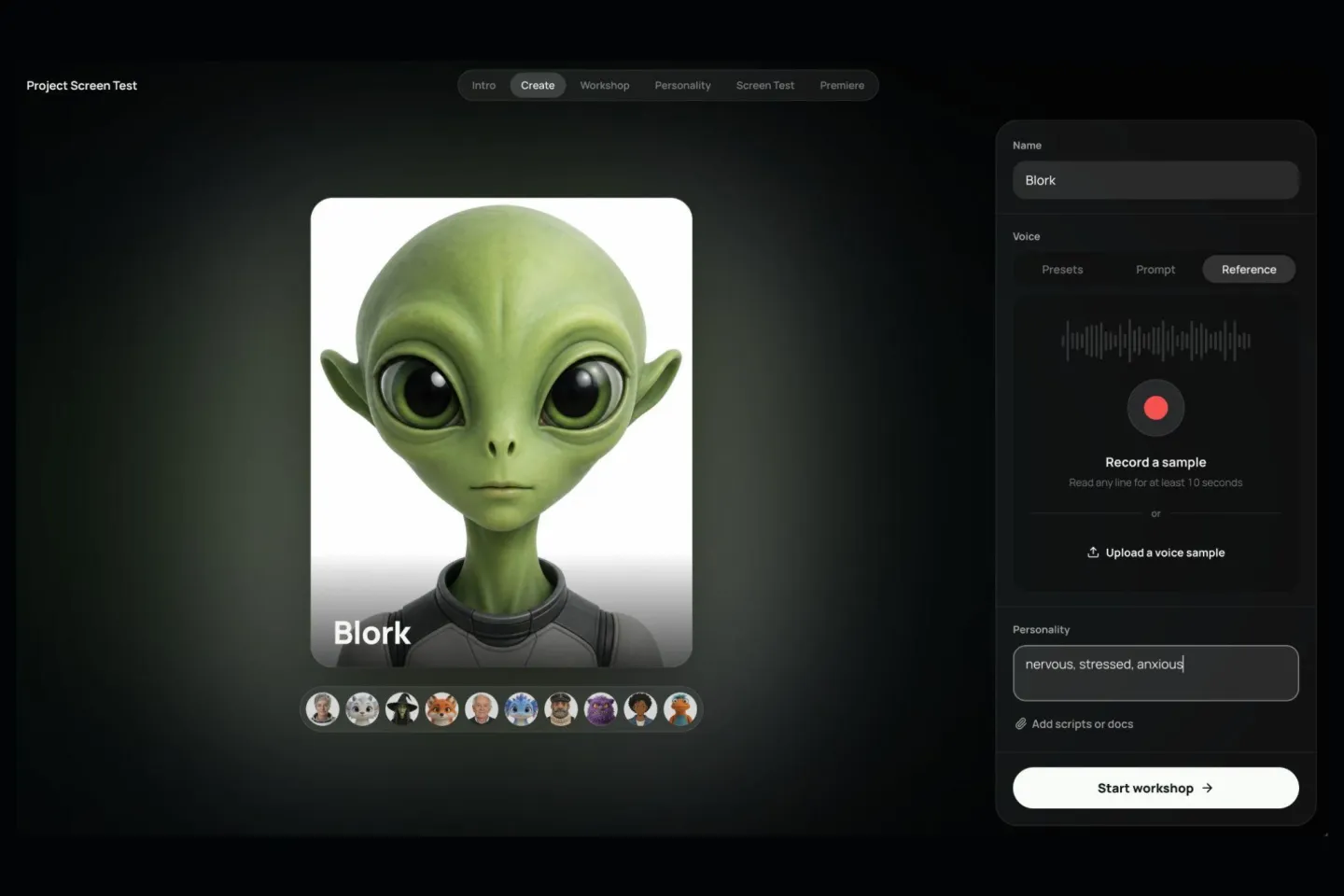
Adobe displays some experimental creative technologies every year during the MAX conference, allowing the R&D team to show future ideas to the public in advance. The multiple projects unveiled this year further reflect Adobe's investment in the concept of "intelligent creative assistant", hoping to use AI to take on tedious and repetitive tasks, allowing creators to devote more energy to creativity itself.
One of the projects that attracted attention demonstrated how AI can understand complex design intent and automate tasks that would otherwise require multiple software and operational steps. Creators only need to describe their ideas through natural language, and the system can automatically plan the execution process, including material processing, screen adjustment, and content generation.
Another experimental demonstration focused on cross-media creation capabilities. The system can quickly expand a single creative idea to multiple formats, such as automatically converting static designs into animated content, or refining long videos into short video clips suitable for release on different platforms, significantly reducing the workload of repeated production.
Adobe also demonstrated intelligent design tools that understand brand specifications. The system not only recognizes the company's existing visual style, but also automatically applies unified colors, fonts and design elements to new works, helping companies maintain brand consistency during large-scale content production.

In the field of image editing, experimental projects have further strengthened AI’s ability to understand screen content. The system can not only identify the subject and background in the picture, but also understand the relationship between objects, so as to achieve more natural effects when deleting, replacing or regenerating content. The research team hopes that in the future users will only need to make requests without having to master complex professional editing skills.
Video creation has also become one of the important directions of this Sneaks exhibition. Adobe demonstrated some experimental tools that can automatically generate storyboards based on text descriptions, arrange shot sequences, supplement transitions, and even help with preliminary editing. The goal of the technology is not to replace creators, but to shorten the time between idea creation and finished product.
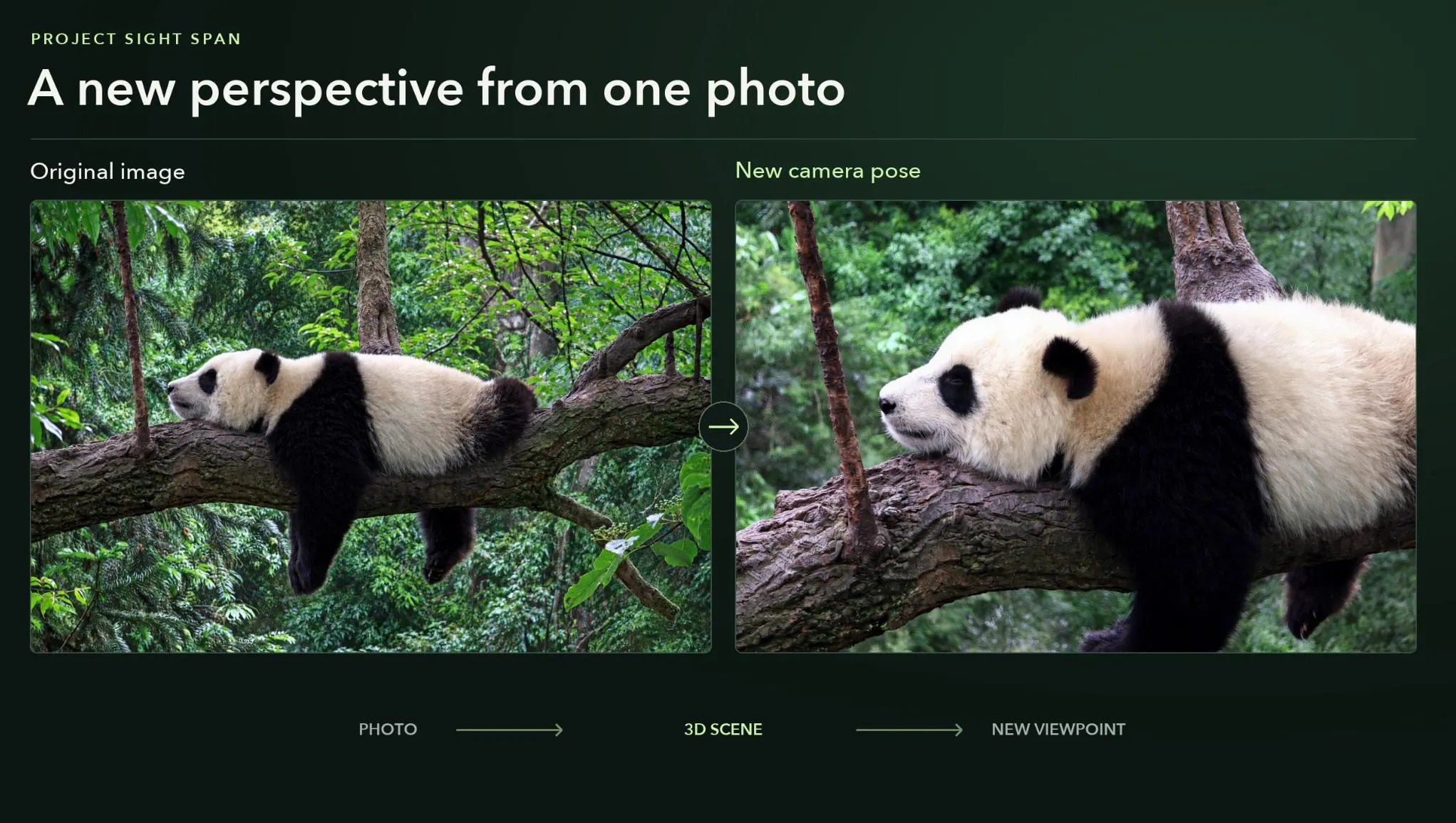
In addition, Adobe also demonstrated some more forward-looking collaboration capabilities. For example, AI can proactively analyze project status, discover potential problems, and make suggestions to the creative team. The creative software of the future will no longer be just a passive tool, but may become a “digital partner” capable of participating in project management and creative discussions.
Judging from the content of this exhibition, Adobe is gradually transforming artificial intelligence from a simple content generation tool into an intelligent agent system that can understand goals, plan processes, and assist in executing tasks. Unlike the past, which relied on a single prompt word to generate content, the new generation of AI will be able to continuously handle complex work and complete collaborative operations between multiple software.
Although most of these Sneaks projects are still in the experimental stage, and Adobe has not promised that they will eventually be commercialized, many experimental results from previous MAX conferences have later been successfully incorporated into official products such as Photoshop, Premiere Pro, Illustrator, and Firefly. Therefore, these demonstrations are also regarded as an important benchmark for Adobe's creative software development path in the next few years.
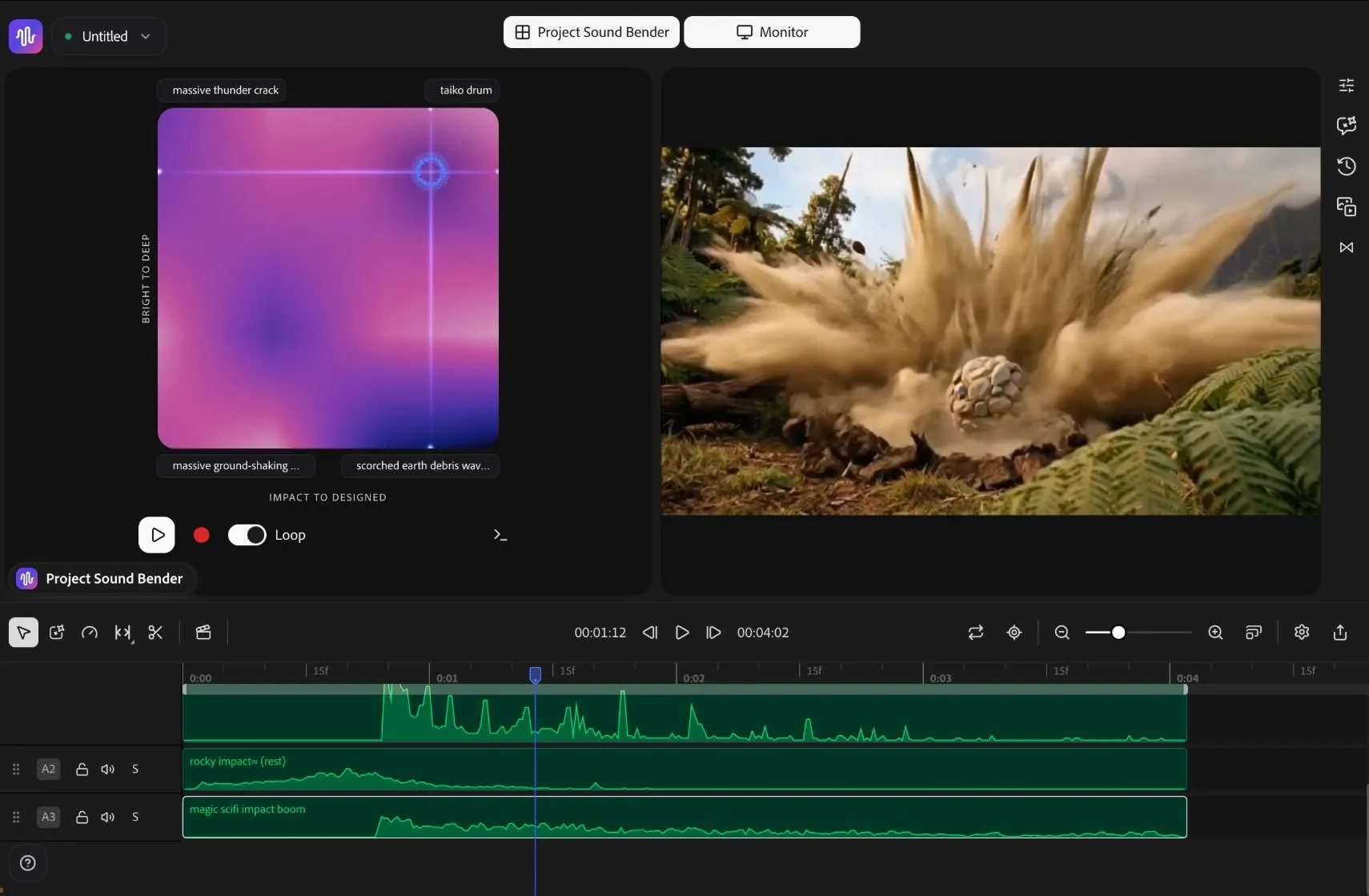
Industry insiders believe that as generative AI and intelligent agent technologies continue to mature, the relationship between creators and software will change significantly in the future. People may no longer need to be proficient in every tool button, but can complete creative work through natural language and AI collaboration. These experimental projects demonstrated by Adobe at MAX 2026 are the latest manifestation of this changing trend.
Comments