
Abstract:
Scientists recently announced that a nuclear fusion technology that was first proposed in the 1980s and then shelved for decades has achieved an important breakthrough. The research team successfully verified the "Helicon Current Drive" technology in an actual experiment for the first time. This achievement is expected to help future nuclear fusion reactors achieve long-term or even continuous operation, thereby taking a key step forward in commercial fusion power generation.
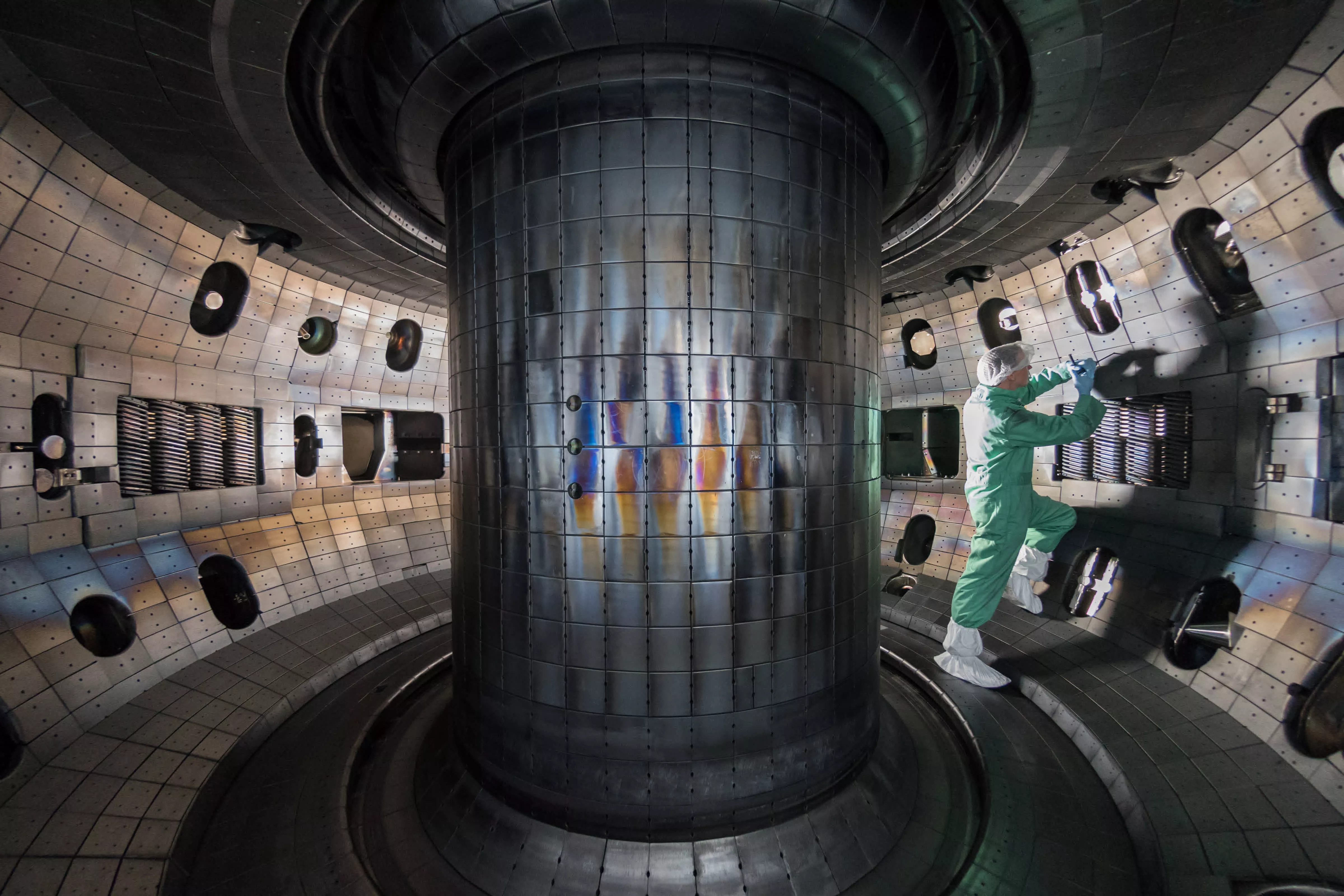
At present, most mainstream nuclear fusion research in the world uses tokamak devices. The donut-shaped reactor uses powerful magnetic fields to confine plasma with temperatures reaching hundreds of millions of degrees Celsius to simulate the fusion process inside stars. However, there is a problem that has long plagued the industry in existing tokamak designs, and that is the limited running time.
In the traditional design, the plasma current inside the reactor is mainly generated by the central solenoid, which works like a transformer. When the magnetic field changes reach their limits, the system must be shut down and the equipment reset before the fusion process can be restarted. Therefore, even the most advanced experimental devices often can only maintain continuous operation time of a few seconds to a few minutes.
Researchers at the DIII-D National Fusion Research Facility in the United States said that in order for future nuclear fusion power plants to have commercial value, the reactor must be able to achieve so-called "steady-state operation", that is, working continuously for a long time instead of constantly starting and stopping. Therefore, scientists have been searching for years for ways to maintain plasma currents that do not rely on traditional transformer structures.
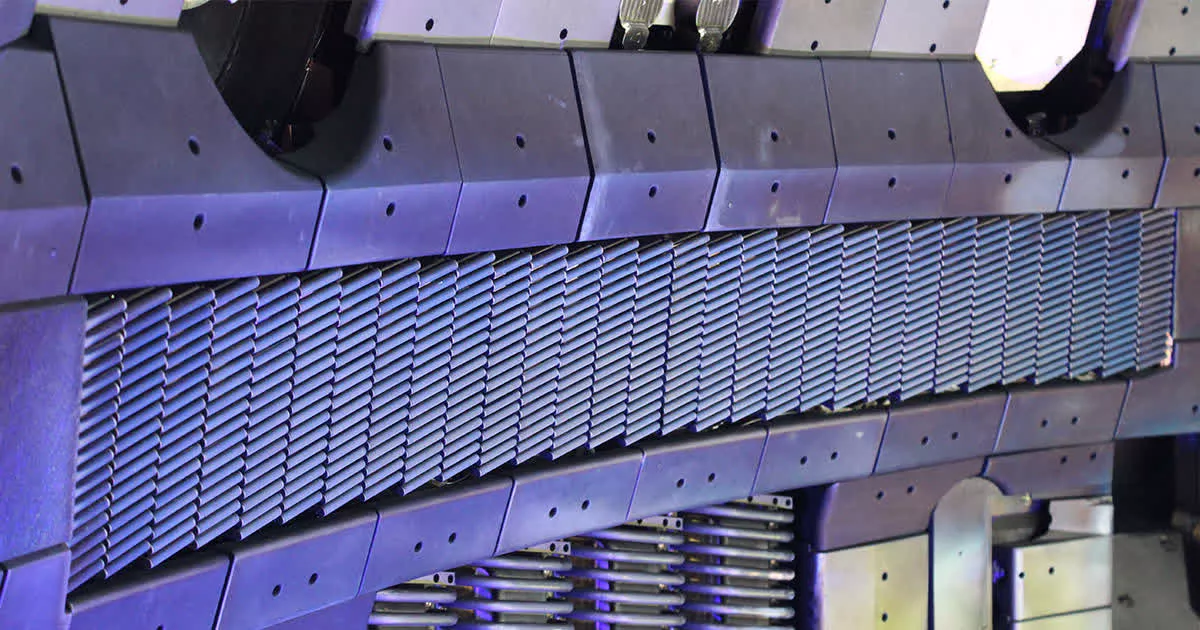
This breakthrough spiral wave current drive technology is one of the solutions. The basic principle is to use high-frequency radio waves of a specific frequency to deliver energy to the inside of the plasma and form a stable current inside the plasma to maintain the fusion reaction without relying on the traditional central solenoid system.
In fact, this concept is not a new invention. As early as the 1980s, scientists proposed a similar idea, which was called "fast wave drive" technology at the time. However, due to the limited capabilities of experimental equipment, antenna systems, and diagnostic tools at the time, researchers were never able to verify the theoretical effects in experiments, and eventually this direction was gradually abandoned by the industry.
As fusion research facilities have been upgraded over the past few decades, things are starting to change. The research team said that modern tokamak equipment can already create operating conditions closer to those of future commercial reactors, while new antenna systems can inject radio waves into the plasma in a more precise way. With the help of these technological advances, the researchers finally succeeded in observing the expected current driving effect.
Scientists participating in the study pointed out that this experiment not only proved the relevant theories correct, but also confirmed that high-frequency radio waves can effectively transmit energy in high-temperature plasma and generate stable currents internally. This means that future fusion reactors are expected to get rid of the current operating time constraints and achieve a more durable and stable working state.
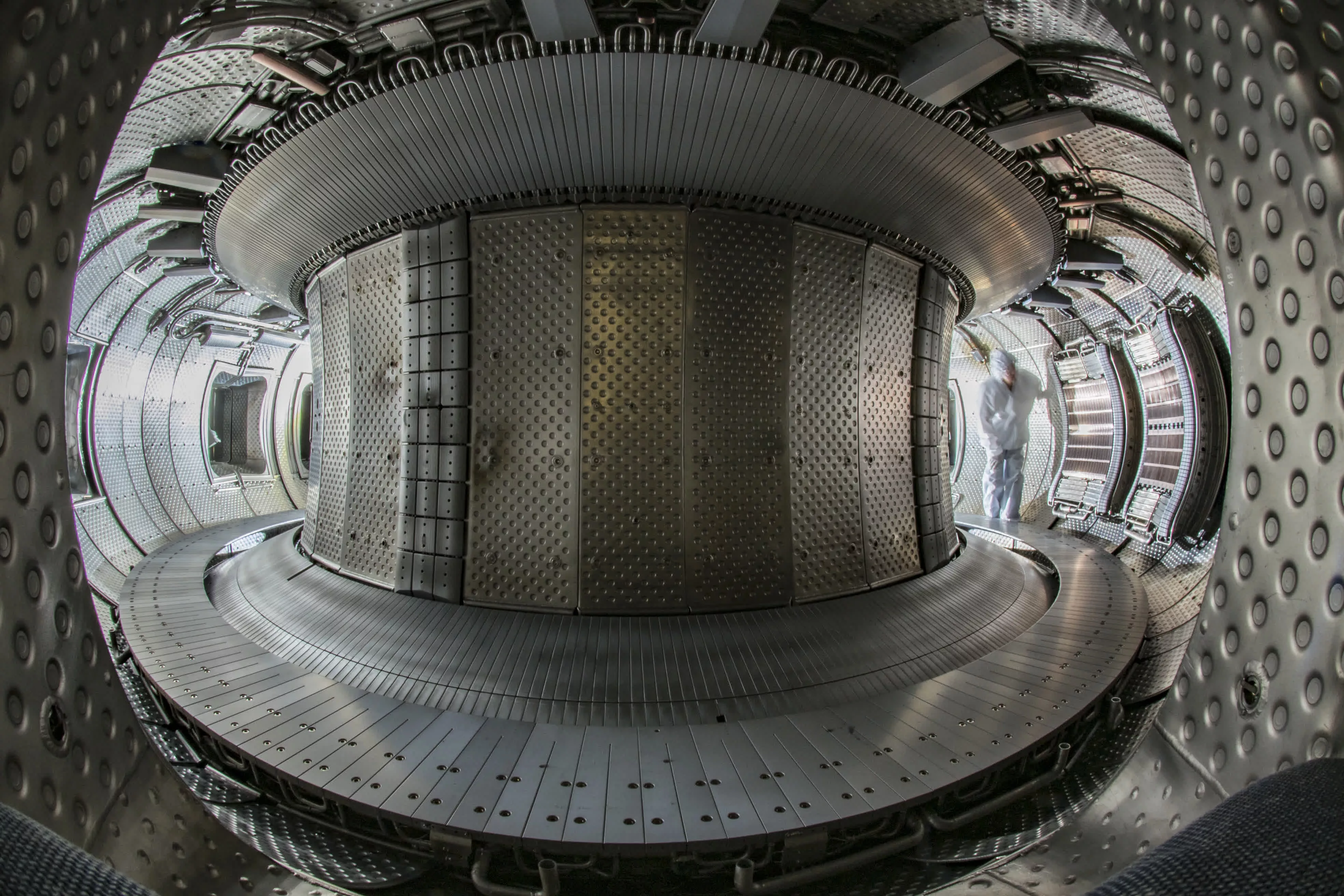
Researchers believe that compared with other alternatives, spiral wave current drive technology has better adaptability in high-density plasma environments. The efficiency of some existing current drive technologies will significantly decrease when approaching commercial operating conditions, and the spiral wave scheme is expected to play a more important role in future large-scale fusion power plants.
However, scientists also emphasized that this technology is still a long way from practical commercial application. The current experiments only verify the feasibility of the principle. In the future, higher power tests and verification under conditions closer to the real power generation environment are needed. In addition, how to further improve efficiency, reduce energy consumption and reduce equipment complexity is still an important direction for subsequent research.
Nonetheless, the breakthrough is seen as an important advance in the field of nuclear fusion. For a long time, continuous and stable operation has been one of the core obstacles limiting the commercialization of fusion energy. If spiral wave current drive technology can be successfully applied to large-scale fusion reactors in the future, mankind may be one step closer to obtaining almost infinite, clean and low-carbon fusion energy.
Comments