
Abstract:
On November 9, Disney and Adobe announced a multi-year strategic partnership. The two parties will jointly develop customized generative artificial intelligence models for Disney business to support film and television production, theme park operations, cruise operations, and the creation of ESPN sports content.
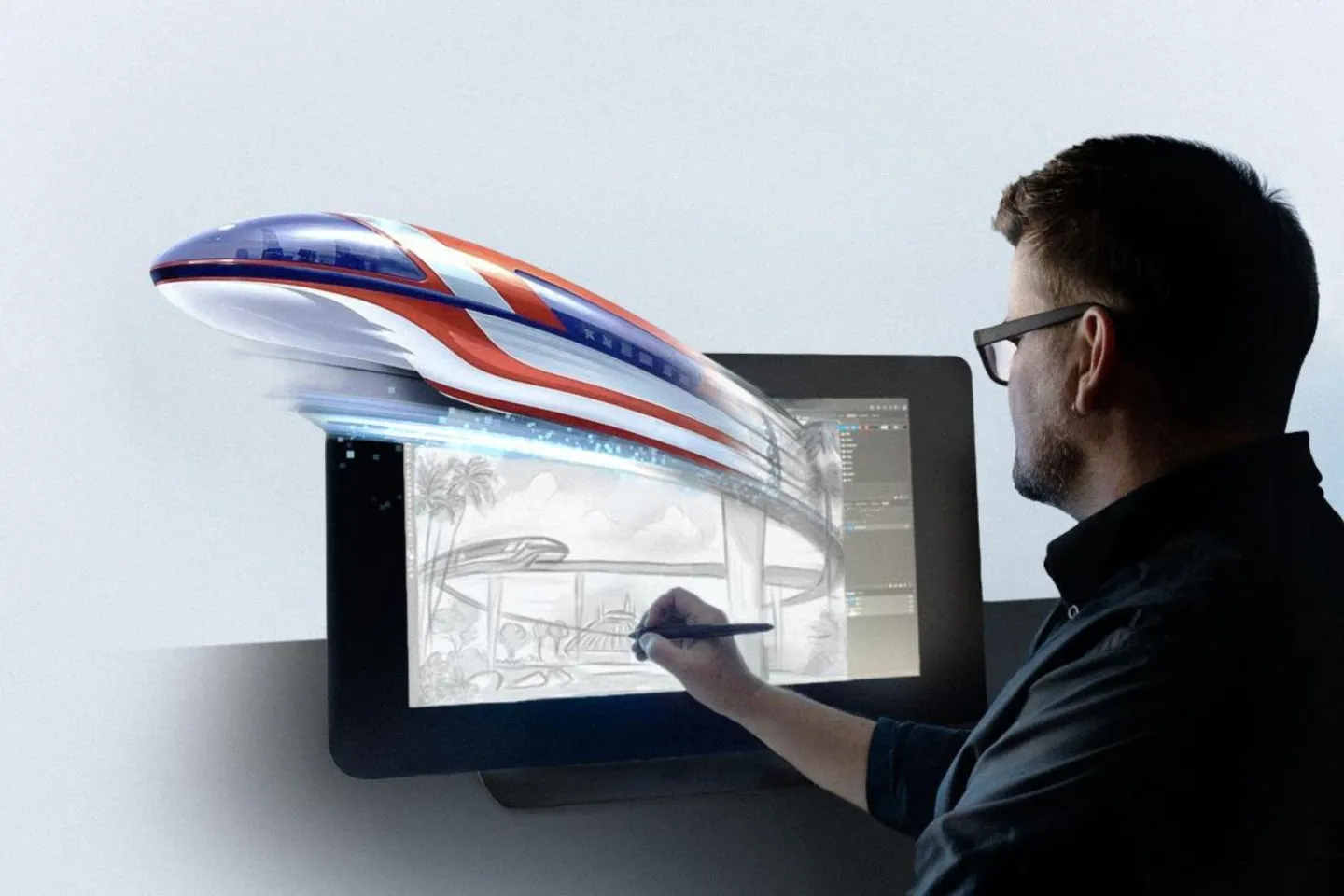
The collaboration was officially announced at Adobe’s annual MAX creative conference. Under the agreement, Disney will gain priority access to Adobe's latest artificial intelligence technology and will work with Adobe to explore how to integrate generative AI into its own creative production processes.
At the heart of the collaboration is Adobe Firefly Foundry. Unlike general generative AI tools for ordinary users, this solution will allow Disney to work with Adobe to train exclusive models for Disney’s intellectual property, character images, story environments and visual styles. Adobe said these models will adopt a human-centered, artist-led development approach and be customized using Disney's unique worldview and visual materials to make the generated content more in line with commercial use and professional production requirements.
This means that in the future, Disney can use AI to assist creation while strictly controlling character images and visual styles. The model can understand the appearance characteristics of different characters, the design language of specific scenes, and the artistic style established by Disney works over time, thereby reducing the inconsistency between the generated content and the existing brand image.
The cooperation between the two parties is not limited to film and television production. Disney's Imagineering R&D department is already using the Adobe Firefly platform to support theme park development. This agreement will further expand the scope of application of Adobe technology within Disney, including assisting Walt Disney Studios to expand creative workflows, and studying how AI can participate in ESPN sports content production and improve the interactive experience of sports audiences.
For theme parks, generative AI may be used to assist in the design of scenes, visual materials and experience content; in the field of film and television production, it can help creative teams speed up the production of some visual content; and in the sports business, AI may be involved in graphic design and digital content development for audiences. However, the current announcements by both parties are mainly about the direction of cooperation, and they have not disclosed the release time or detailed functions of specific products.
This is also another important move by Disney in its recent embrace of generative artificial intelligence. Disney has previously reached a cooperation with OpenAI and was involved in the bankruptcy of the artificial intelligence character platform Character.AI. Obviously, this entertainment giant is trying to introduce generative technology into its huge content and entertainment industry system by cooperating with different AI companies.
It is worth noting that while Disney is promoting the application of AI technology, it is also facing pressures from cost control and personnel adjustments. Bloomberg previously reported that Disney is preparing to lay off thousands of employees and plans to achieve annual cost savings of about 20%. If the relevant plans are implemented, this will become Disney's fourth round of layoffs since 2026.
The significance of this cooperation between Disney and Adobe is to transform generative AI from an ordinary content generation tool into a professional production infrastructure within the enterprise. Through specially trained models, Disney hopes to increase creative efficiency while continuing to master how its classic characters, brand images and visual assets are used. For entertainment companies with large amounts of intellectual property and mature creative production systems, this customized AI model may be more attractive than directly using a general model.
Comments