
Abstract:
As mobile DRAM contract prices continue to rise and supply is tight, some mobile phone brands are considering reprocessing memory chips removed from old devices and installing them into new mobile phones, especially entry-level models. TrendForce estimates that the penetration rate of this type of "reballing" memory in the smartphone market in 2026 will be about 3% to 4%, and may rise to 7% to 9% in 2027.
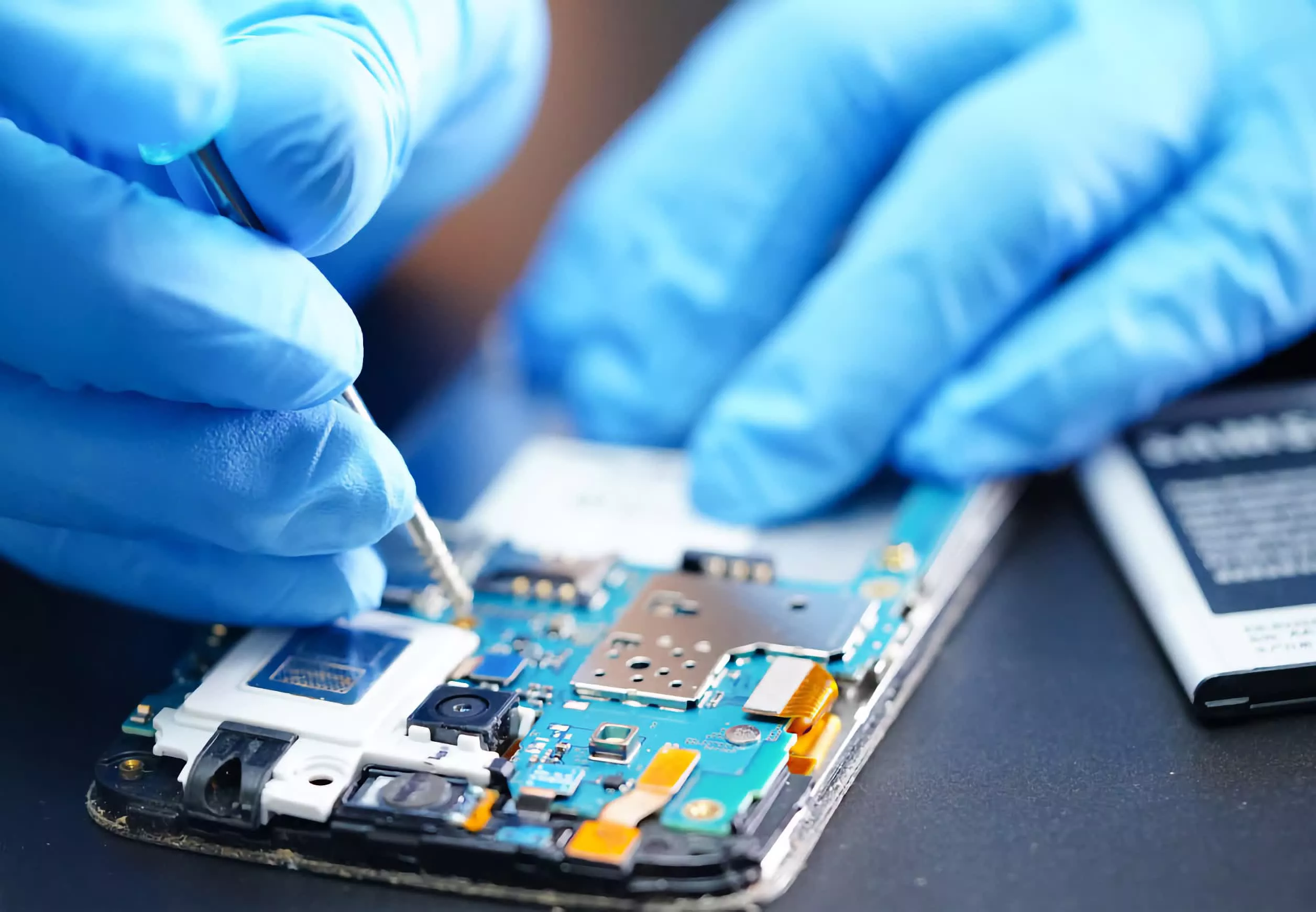
Reballing refers to removing the memory chip from the motherboard of the old device, re-implanting the solder balls after inspection and refurbishment, and then soldering it to the motherboard of the new device. TrendForce said that the current recycled chips on the market are mainly 4GB LPDDR4X, which are mainly used in 4G mobile phones priced below 1,299 yuan. For the price-sensitive low-end market, this approach can alleviate the pressure of rising material costs and help manufacturers maintain selling price competitiveness.
TrendForce pointed out that if mobile DRAM prices rise further in the first quarter of 2027, manufacturers may gradually adopt lower specifications or recycle memory in higher-priced models. However, even if the use of reballing chips expands, its proportion in the total bit consumption of mobile phone LPDRAM is still expected to be limited, so it is unlikely to change the overall upward trend of DRAM contract prices.
Recycling chips also poses quality risks. The source, usage condition and refurbishment process of old memory may make it difficult to ensure quality consistency, affect product reliability and lifespan, and increase maintenance and warranty costs. Manufacturers need to weigh short-term cost savings against long-term product quality and after-sales expenses.
Memory supply pressure is also affected by the growth in artificial intelligence-related demand. TeamGroup CEO Chen Qingwen recently warned that shortages and price increases may continue to worsen; SK Hynix also said that demand for AI-related products is still strong and the memory market is expected to maintain growth in the medium to long term.
Comments