
Abstract:
There is a little-known detail behind AMD’s decision to relaunch the classic gaming processor Ryzen 7 5800X3D: this plan was originally proposed by AMD CEO Su Zifeng. In a recent interview with Japanese media Mynavi Tech, Travis Kirsch, AMD's senior director of client product management, revealed the reasons for the resurrection of this processor, AMD's views on changes in the memory market, and the company's plans for the AM4 and AM5 platforms in the next few years.

Launched in 2022, Ryzen 7 5800X3D has become one of the most representative processors on the AM4 platform with its large-capacity L3 cache and excellent gaming performance. The processor uses Zen 3 architecture, equipped with 8 cores and 16 threads, and uses 3D V-Cache technology to stack additional cache on top of the processor computing chip, which significantly improves performance in some games.
As the AM5 platform gradually becomes more popular, AMD has previously stopped the production of the original Ryzen 7 5800X3D, and the market inventory has gradually been exhausted. However, there are still a large number of users using AM4 motherboards that support DDR4 memory. They hope to improve game performance by replacing the processor without having to purchase a new motherboard and DDR5 memory at the same time. AMD finally decided to launch the Ryzen 7 5800X3D 10th Anniversary Edition to provide these users with an opportunity to continue upgrading the old platform.
Kosh revealed in the interview that Su Zifeng proposed the idea of relaunching the Ryzen 7 5800X3D a few years ago. AMD hopes to use this product as a feedback to users who have long supported the AM4 platform, allowing them to continue to extend the service life of their existing computers without replacing the entire set of hardware.
He emphasized that this plan predates the recent dramatic changes in the memory market, so it cannot be simply understood as a temporary product launched by AMD in response to the increase in DDR5 memory prices. The original purpose of the 10th Anniversary Edition was to provide long-term users of the AM4 platform with one last attractive upgrade opportunity.
However, reproducing this processor is not as simple as outsiders think. The first-generation 3D V-Cache chip stacking process used in the original Ryzen 7 5800X3D is no longer in production, and AMD needs to re-verify the compatibility between the old processor design and the newer generation chip stacking process. This involves redesign, manufacturing samples, reliability testing, and production process certification, so even if the core specifications of the processor do not change significantly, a considerable amount of engineering resources will be invested.
The 10th anniversary edition launched by AMD in 2026 will re-enter the market after completing relevant engineering work. It continues the core design ideas of the original product, continues to use the Zen 3 architecture and large-capacity level three cache, and adopts a re-verified chip stacking process. This also explains why the market demand for this processor has always existed, but it still took AMD a long time to bring it back to the consumer market.
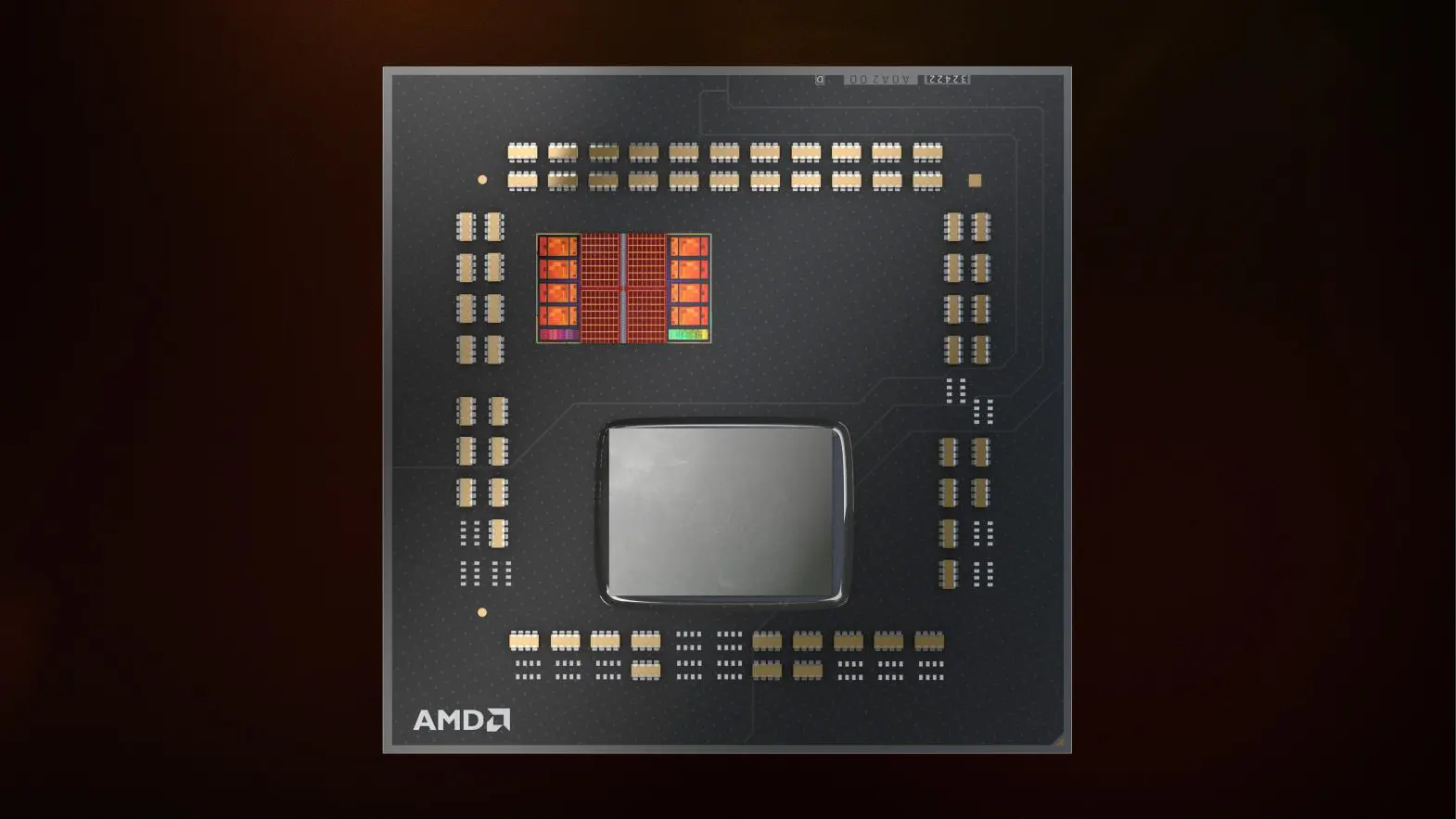
The interview also covered another processor recently launched by AMD, the Ryzen 7 7700X3D. Faced with the question of why he chose to launch the 7700X3D based on the Zen 4 architecture instead of directly launching the 9700X3D based on the Zen 5 architecture, Kirsh explained that this is related to the way AMD uses existing chip resources.
The Ryzen 7 7700X3D is designed using the Raphael platform, and AMD had the opportunity to utilize related chip inventory at the time. In contrast, the Ryzen 7 9700X uses a Granite Ridge design and is not suitable for implementing this product plan in the same way. AMD needs to decide how to apply 3D V-Cache technology to processors at different price points based on the characteristics, inventory status and product positioning of different chips.
This explanation shows that processor product planning is not entirely dependent on adopting the latest architecture or pursuing the highest performance. For AMD, existing chip inventory, manufacturing processes, product costs and market demand will also affect which product is eventually launched.
When talking about the memory market, Kirsh admitted that the tight supply of DRAM has affected the entire PC industry, and the problem is not limited to DDR5. DDR4 memory is also affected by changes in supply and demand, and the spot price of DDR4 in some markets is even higher than that of DDR5. This phenomenon is different from the traditional market rules in which older generation memory is usually cheaper, and it also puts additional pressure on consumers who are still using the DDR4 platform.
As memory manufacturers devote more resources to high-margin products such as high-bandwidth memory, the supply structure of traditional DRAM products is also changing. For PC processor manufacturers, memory prices and supply will not only affect whether consumers upgrade their platforms, but will also change the overall cost of different product portfolios.
AMD re-launches Ryzen 7 5800X3D, objectively providing DDR4 users with the option of continuing to use the existing platform. For consumers who already have AM4 motherboards and DDR4 memory, upgrading only the processor can avoid replacing the motherboard and memory at the same time, thus reducing the cost of upgrading the entire machine. But AMD said that the product's resurrection plan was not made temporarily after the recent increase in memory prices.
Talking about the future of the AM5 platform, AMD has previously promised to continue supporting this interface until 2027 and beyond, and will further extend the support period in 2026 to 2029. This means that consumers who choose the AM5 platform will still have the opportunity to improve performance by replacing processors in the next few years without having to frequently replace the motherboard.
AMD hopes to maintain consumer confidence in its desktop processor ecosystem by extending the platform life cycle. Compared with the model that requires users to replace the motherboard with each generation of processors, maintaining interface compatibility for a longer period of time can lower the upgrade threshold and help users update computer hardware in stages.
The interview also talked about AMD’s layout in the field of artificial intelligence. In recent years, AMD has continued to expand its investment in the data center and artificial intelligence accelerator markets, but Kirsh is responsible for the client processor and chipset business and is not directly responsible for graphics card products. His answer shows that although AMD's strategic focus increasingly involves artificial intelligence, the traditional PC processor business remains an important part of the company's product portfolio.
In addition, AMD is also paying attention to the need to run large language models locally. As the model scale increases, users want to run artificial intelligence applications directly on personal computers, which puts new requirements on processors, memory capacity, and integrated computing capabilities. AMD's Ryzen AI Max series and other products are part of the layout for this market direction.
Overall, this interview revealed several noteworthy aspects of AMD’s product strategy: The resurrection of Ryzen 7 5800X3D was originally due to Su Zifeng’s concern for long-term AM4 users, rather than recent memory price changes; the re-launch of old processors requires re-adaptation and verification of the manufacturing process, not a simple resumption of production; at the same time, AMD also hopes to provide a longer upgrade cycle for the new generation of PC users by extending the AM5 platform support period to 2029.
For consumers who are still using the AM4 platform, the Ryzen 7 5800X3D 10th Anniversary Edition provides a path to extend the service life of the DDR4 system. However, AMD did not promise that this product will be continuously supplied for a long time, and its future supply time is still uncertain. For users who plan to upgrade their old computers, the actual selling price of the product, market inventory and their own needs are still important factors in deciding whether to purchase.
Comments