
Abstract:
英特尔桌面处理器产品线的核显规划迎来最新调整。据知名爆料人披露,原定在下一代“Nova Lake-S”桌面处理器中亮相的高性能12核心Xe3P大核显SKU已被取消,该强力集成显卡配置将整体推迟至后续的“Razor Lake-S”产品线中登场。
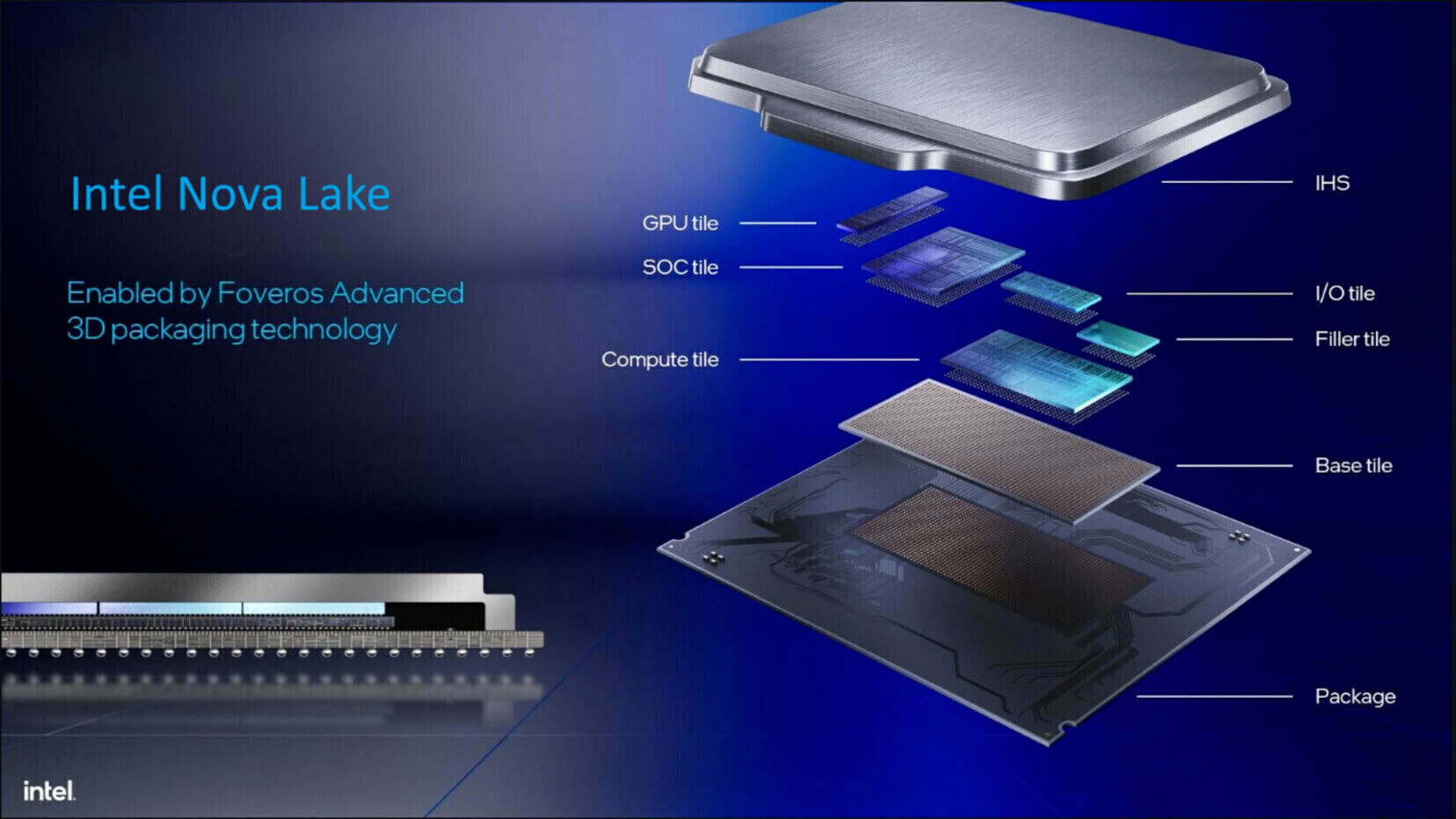
In previous revelations and technology expectations, Intel had planned to create a high-performance integration solution for the desktop chip code-named Nova Lake-S that would benchmark AMD Ryzen G series APUs. This specific SKU was originally planned to be equipped with 4 performance cores, 8 energy-efficiency cores and 4 low-power energy-efficiency cores, and for the first time integrated up to 12 core units of the Xe3P architecture on the desktop, with a 20MB level 2 cache and an independent VCCGT power supply design. The power consumption of a single core display module can reach up to 40 watts. It is intended to provide graphics performance comparable to entry-level independent graphics cards on mini hosts and independent graphics-free small steel cannon platforms.
However, the latest product roadmap shows that the Nova Lake-S desktop version will no longer provide any models equipped with 12-core Xe3P core displays. In the Nova Lake-S desktop product series, conventional integrated graphics will be mainly based on the standard 4-core Xe3 unit; however, the 12-core scale Xe3P core display will not completely disappear, and it will still be retained as a core feature in mobile chips such as Nova Lake-H for high-end mobile notebook platforms. It is not yet clear whether the Nova Lake Edge variant previously targeted at the edge computing market will be affected by this change.
According to the adjusted plan, the 12-core Xe3P desktop core display solution will be postponed and taken over by its successor Razor Lake-S. Industry analysts believe that Razor Lake-S and Nova Lake-S share the same LGA 1954 interface and are expected to be released a year later, when the platform is expected to support higher frequency and bandwidth DDR5 memory specifications. For this kind of large-scale integrated graphics card, high-bandwidth memory is a key bottleneck to fully release graphics performance. Postponing the release not only allows Intel to deeply integrate the new CPU architecture with top-level core graphics, but also is consistent with Intel’s previous adjustment logic of moving the ultra-large core display AX product line from Nova Lake-AX to Razor Lake-AX. At present, Intel has not officially announced the final specifications of Nova Lake and Razor Lake, and more mass production schedule and architecture information are still to be disclosed later.
Comments