
Abstract:
Apple is facing new regulatory pressure in the Indian market. India's consumer protection regulator has recently upgraded its investigation into Apple's software warranty policy, focusing on user repair disputes after the iOS 18 update and whether Apple's failure to provide warranty coverage for software-related faults infringes on consumer rights.
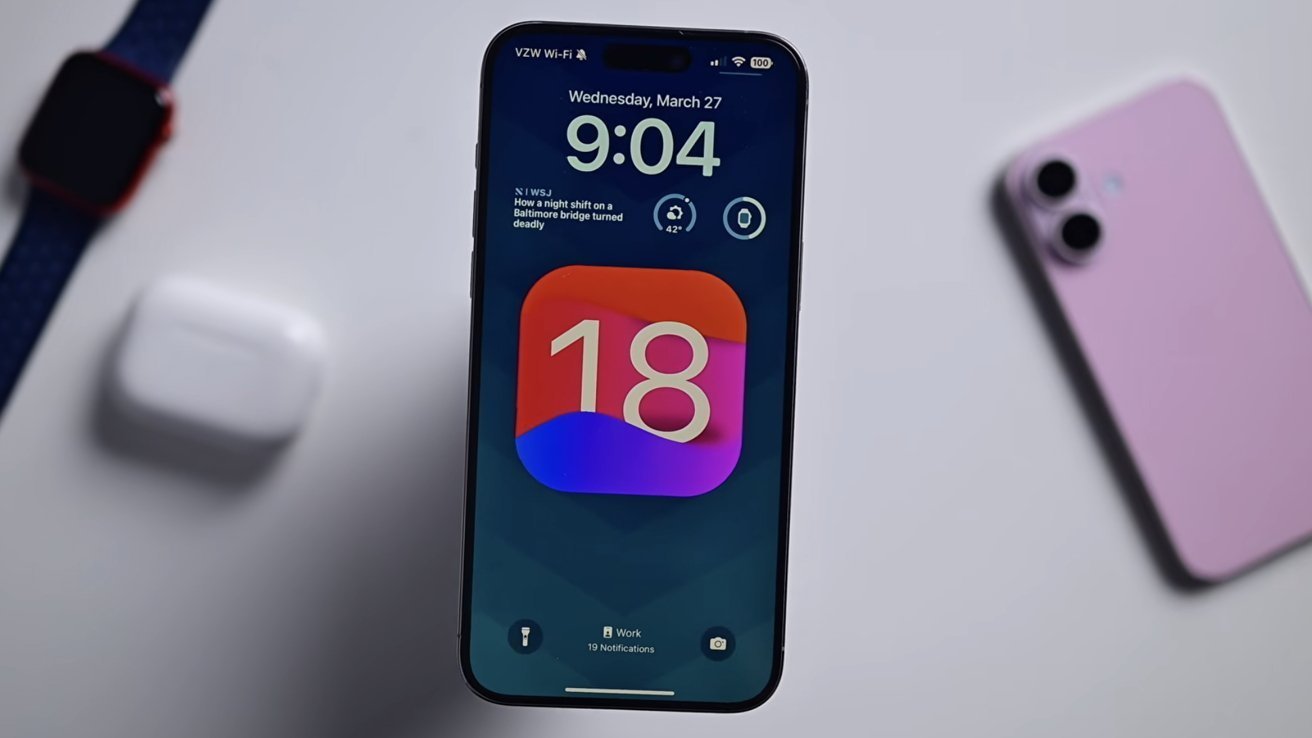
This investigation stems from a large number of complaints from Indian users. Regulatory documents show that since iOS 18 was released at the end of 2024, some iPhone users have successively reported problems such as abnormal screen display and microphone failures on their devices. Some users said that after installing the update, green, pink or white lines appeared on the mobile phone screen, and subsequent repairs required high costs.
India's Central Consumer Protection Bureau believes that some consumers may be forced to pay "exorbitant repair fees" due to problems caused by software updates. Regulators pointed out that because Apple's software license terms generally do not provide software warranty, even if users believe that device failure is related to system updates, it is difficult to obtain free repair services. Therefore, regulatory authorities have begun to review whether Apple’s relevant policies comply with Indian consumer rights protection requirements.
According to the disclosed information, the Indian regulatory agency officially notified Apple on July 29 this year that the case had been upgraded to an "in-depth investigation" and handed over to a specialized investigation department. Regulatory documents indicate that the case involves potential infringement of consumer rights, which also means that India has not accepted Apple’s previously submitted response.
Apple firmly denies the accusations. In its response to regulators, the company said that not providing warranty for software is a common practice in the global consumer electronics industry and is not a policy unique to Apple. Apple also emphasized that iOS 18 has been rigorously tested and the company has not found any systemic flaws or issues that would lead to large-scale device failures or security risks.
Apple also stated that the company is willing to continue to cooperate with the Indian authorities to further explain consumer complaints and the company's process for handling related issues. However, Apple insists that existing software licensing and warranty arrangements are in line with international industry practices.
For Apple, this investigation occurs in an extremely critical market environment. In recent years, India has become one of Apple's fastest-growing markets in the world. The company not only continues to expand the local market share of iPhone, but also continues to increase the scale of local manufacturing in India, turning it into one of the important production bases.
Legal experts believe that if regulators ultimately determine that Apple violated consumer protection regulations, in addition to the possible fines the company may face, the more important impact may come from adjustments to its business model. Indian regulatory authorities have the right to require companies to modify relevant business practices, improve consumer compensation mechanisms, and even require refunds or compensation to affected users.
The controversy has also sparked new discussions about the boundaries of responsibility for software updates. As smartphones increasingly rely on continuous software upgrades, there remains disagreement among consumers, manufacturers and regulators over whether hardware failures caused by software should be held responsible for repairs. If India finally pushes Apple to adjust its software warranty policy, it may have a demonstration effect on the software after-sales system in the global technology industry in the future.
Currently, the investigation is still ongoing. As relevant hearings, evidence reviews and further inquiries continue, this case surrounding software warranty liability may become an important case for Indian regulatory authorities to review the consumer rights policies of large technology companies.
Comments