
Abstract:
A research team from the Politecnico di Milano and the Carlo Besta Neurological Institute in Italy recently announced that they have successfully developed a new mitochondrial coating technology that can cover the surface of mitochondria with advanced functional materials without disturbing the normal work of mitochondria. This result is expected to open up new research directions for the treatment of diseases caused by mitochondrial dysfunction.
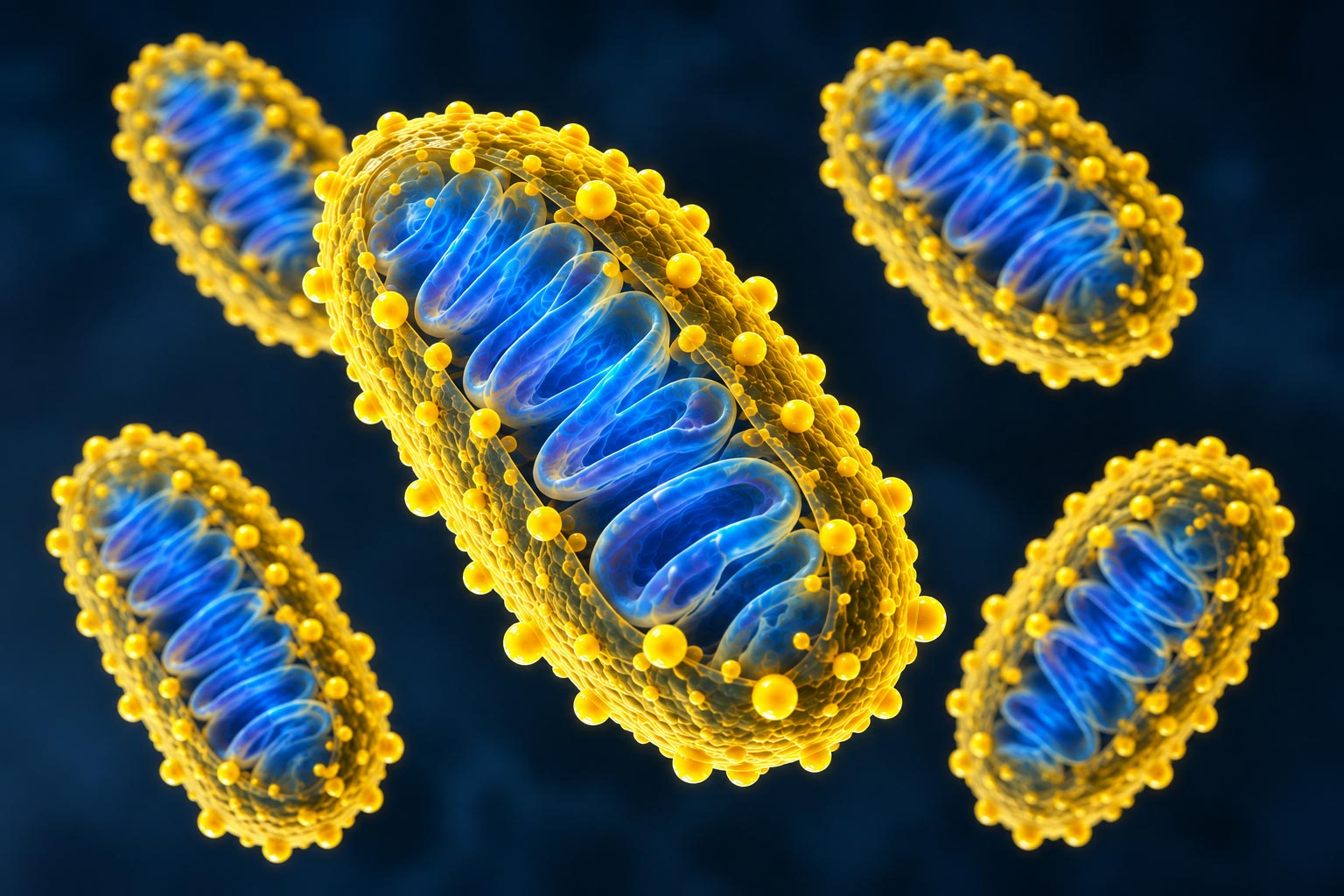
Mitochondria are known as the "energy factories" in cells, responsible for providing the energy required for various life activities of cells. Once mitochondria malfunction, a variety of diseases may occur, including some rare but serious mitochondrial diseases. Due to the extremely high energy demands of tissues such as the brain and muscles, these diseases often have a significant impact on the body, and currently available treatments are still limited.
This research was completed by the BraiNs joint laboratory jointly established by both parties, and the results have been published in the Journal of the American Chemical Society. The project combines the professional advantages in the fields of neurogenetics and materials science. One side focuses on mitochondrial disease research, and the other side has long been engaged in the development of advanced materials and chemical engineering.
The research team used metal organic framework materials (MOF) this time. This material has attracted widespread attention from the scientific community because it is highly customizable, and its structure and function can be designed according to different needs. In previous research, the important value of MOF materials has been internationally recognized and promoted the rapid development of related fields.
However, applying such materials to mitochondria faces significant challenges. The structure of mitochondria is extremely fragile, and small changes in the surrounding environment may affect its normal energy metabolism process. To overcome this problem, the researchers developed a new method that applies only a very small amount of material to the surface of each mitochondrial outer membrane, thereby achieving surface coating without compromising its core function.
Experimental results show that the coated mitochondria can still maintain energy production capabilities. This means that researchers have demonstrated for the first time that advanced materials can be successfully attached to the surface of mitochondria while retaining their key biological functions, laying the foundation for subsequent functional transformation.
The researchers said that in the future this coating could not only play a protective role, but could also be customized for different goals. For example, by changing material properties, mitochondria can be given specific functions to undertake more complex tasks such as drug delivery and biosensing. The research team believes that this technology platform has high flexibility and can develop special coating solutions for different medical needs in the future.
The research also brings new possibilities to mitochondrial transplantation technology, which has attracted attention in recent years. The goal of mitochondrial transplantation is to introduce healthy mitochondria into damaged cells to restore normal energy metabolism. The researchers pointed out that in the future, specially designed coatings may be able to help transplanted mitochondria enter target cells more smoothly and improve their interaction with host cells, thereby improving therapeutic effects.
However, the research team also emphasized that this technology is still in the early research stage, and its practical application in mitochondrial transplantation and disease treatment still needs further verification. Nonetheless, being able to achieve surface engineering while maintaining mitochondrial activity has been regarded as an important advance in related fields, providing a new research path for the future development of new treatments for mitochondrial diseases.
Comments