
Abstract:
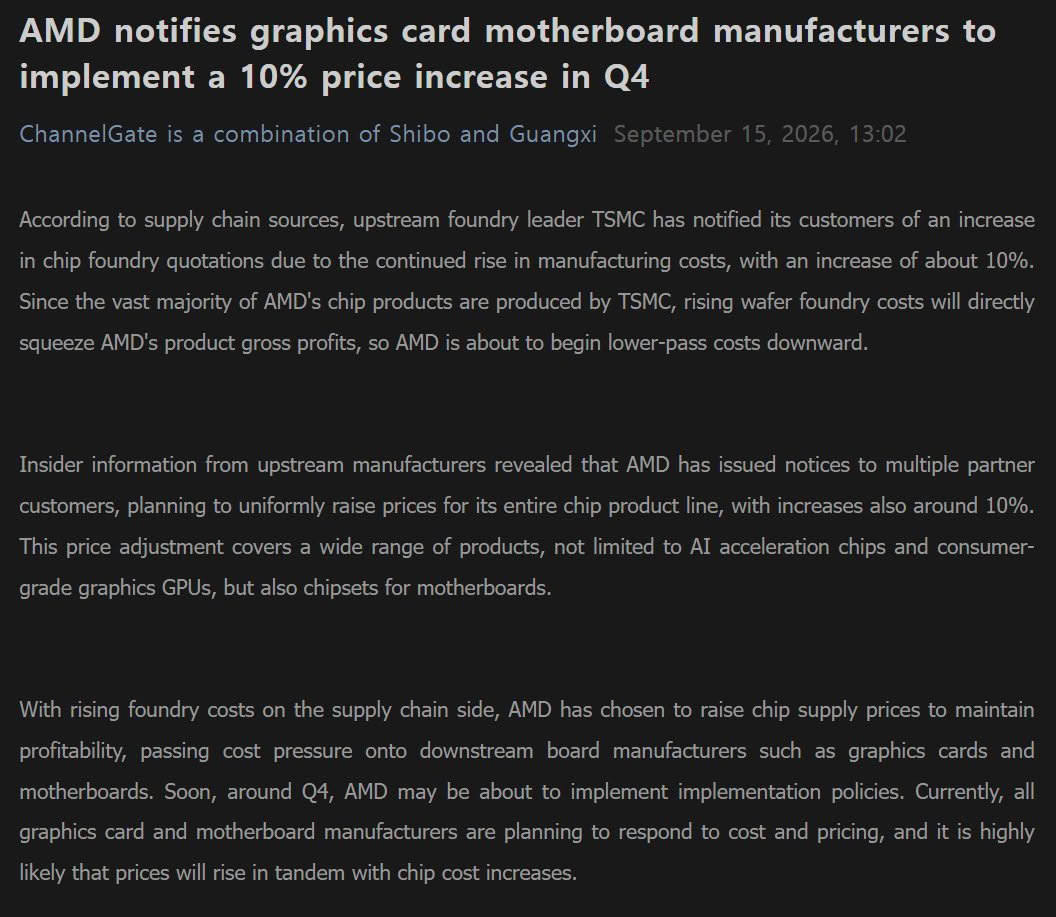
The semiconductor hardware market may usher in a new round of price adjustment. According to the latest supply chain and channel news in the industry, chip giant Advanced Micro Devices (AMD) is brewing a price increase plan covering multiple of its core product lines. It is expected that the supply prices of its independent graphics processors (GPUs) and motherboard chipsets (Chipsets) will generally increase by about 10%, and this price transmission effect is very likely to further spread to some central processing unit (CPU) product lines.
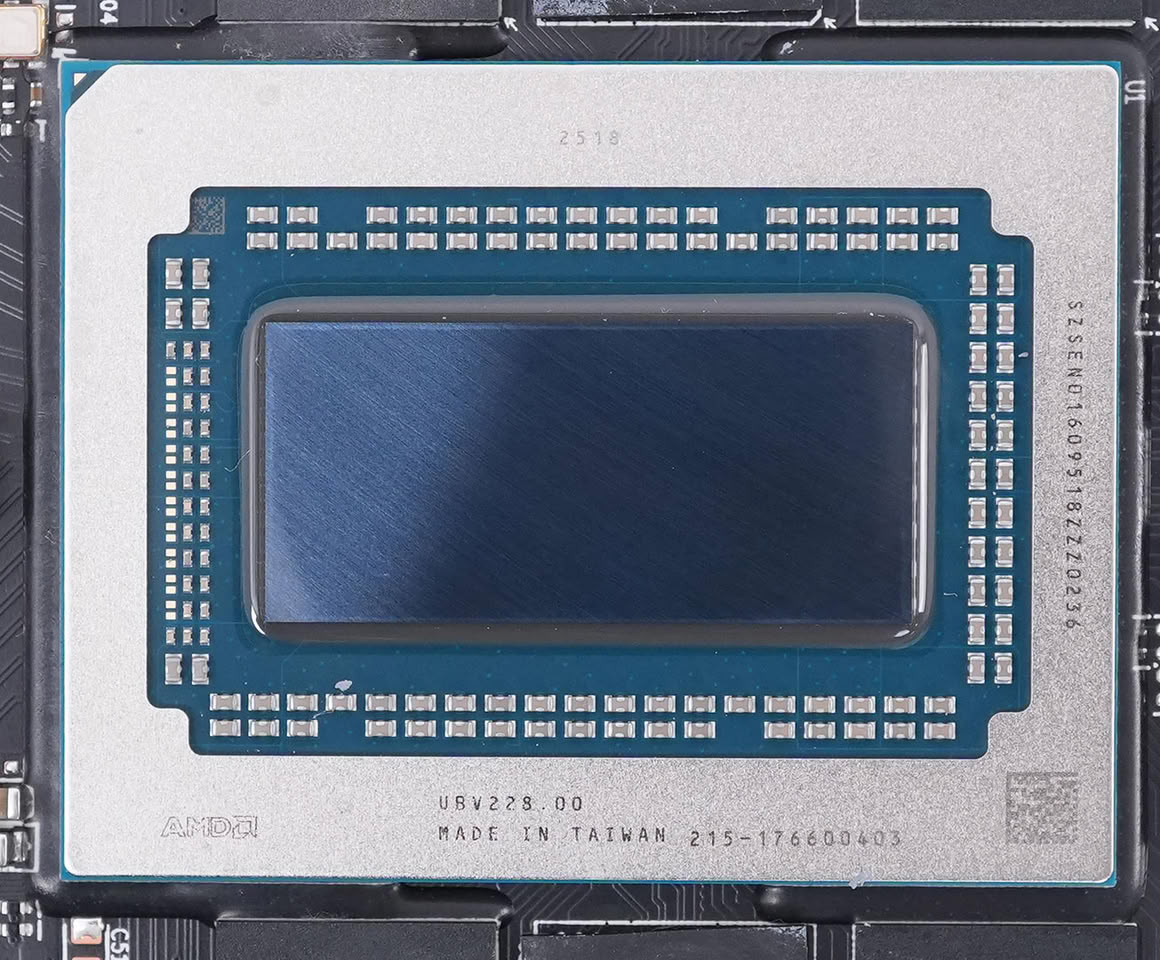
The core incentive for this price adjustment is the continued rise in production and manufacturing costs throughout the semiconductor industry chain. The news pointed out that the high cost of foundry for advanced process wafers, the shortage of production capacity of cutting-edge packaging processes, the rising cost of raw material procurement, and the continued inflationary pressure faced by all aspects of the global logistics and supply chain are constantly squeezing the original profit margins of chip manufacturers. In order to balance the overall cost burden between the manufacturing and operating ends, AMD is considering allocating costs to channels by increasing the wholesale price of shipments.
In terms of specific product lines, independent graphics cards and motherboard chipsets are expected to be the first categories to be affected. This not only covers the supply of currently mainstream Radeon discrete graphics chips on sale, but will also directly affect the core chipset quotas purchased from AMD by major board and OEM manufacturing partners. This means that once the price increase strategy is officially implemented, major cooperative brands such as ASUS, MSI, and Gigabyte are likely to adjust their retail pricing for the end consumer market under the pressure of higher chip material costs (BOM), causing the actual purchase threshold for graphics cards and motherboards to rise.
In addition, rumors indicate that the scope of the price increase does not rule out the possibility of extending to desktop and some mobile Ryzen processors. Although in the particularly fiercely competitive CPU consumer market, AMD still needs to carefully weigh competitors' price anchors to avoid losing market share, the rise in the overall cost of the supply chain still casts a shadow of price increases on its subsequent shipments and new product schedules.
Industry analysts pointed out that in the context of the current prolonged replacement cycle of the consumer electronics market and the relatively slow recovery of overall demand, the approximately 10% price increase of core hardware components will undoubtedly have a direct impact on the installed market in the second half of the year. If the price increase plan is finally implemented, it will not only affect the upgrade budgets of ordinary players and consumers, but may also trigger a new round of wait-and-see and gaming in the price transmission cycle of the personal computer assembly industry chain.
Comments