
Abstract:
The non-profit organization Basel Action Network (BAN) released a report predicting that decommissioned artificial intelligence-related electronic equipment will generate a cumulative 395 million to 617 million tons of e-waste between 2025 and 2050. According to its estimates, this waste can fill up to about 23 million 40-foot containers.
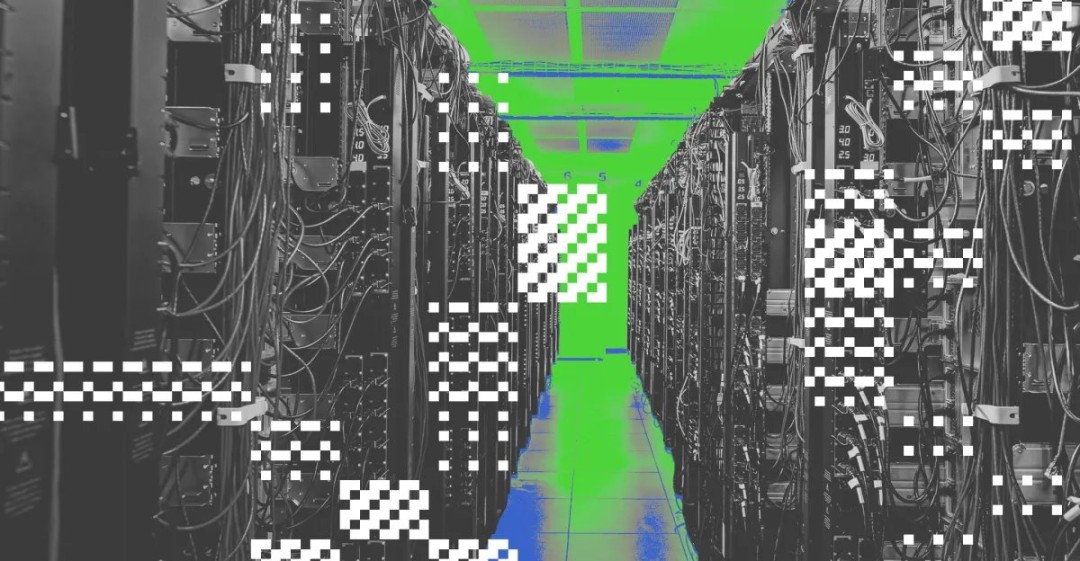
BAN estimates that by the middle of this century, artificial intelligence-related equipment will generate approximately 8.6 million to 13.1 million tons of e-waste every year. The organization also predicts that the total amount of global e-waste may increase to 211 million tons per year by 2050, of which about 15% to 20% is related to artificial intelligence.
This estimate uses a wider statistical range than previous studies. In addition to servers and GPUs, the report also includes power supply and distribution equipment, cooling systems, backup power supplies, and network equipment. BAN believes that counting only servers and accelerators will miss about 87% of the electromechanical infrastructure of the data center.
The report also proposes the concept of "artificial intelligence waste diffusion", including telecommunications infrastructure and personal devices that may be eliminated early due to the advancement of artificial intelligence. According to BAN’s calculations, every gigawatt of data center capacity corresponds to about 70,000 tons of electronic waste; the report also quoted McKinsey’s prediction that the total global data center capacity may reach a maximum of 219 gigawatts by 2030.
Jim Puckett, founder and director of strategic platforms at BAN, said that each model relies on a large amount of highly specialized advanced hardware, and companies and governments need to plan in advance for the disposal of related waste. The report points out that currently 68.3 million tons of e-waste are generated globally every year, of which less than a quarter is collected and recycled formally.
Equipment that does not enter the formal recycling system may be incinerated or buried, exposing workers and the local environment to toxic substances such as lead and chromium. In comparison, a 2024 study predicted that AI e-waste could reach 1.2 million to 5 million tons by 2030; another study estimated that AI servers could generate 131,000 to 225,000 tons of e-waste annually by the end of the 2020s.
Comments