
Abstract:
In the context of the rapid development of the artificial intelligence industry, a storage technology that many people regard as a "product of the last century" is ushering in a renaissance. Japan's Fujifilm recently announced that it will invest 10 billion yen (approximately US$64 million) to expand data storage tape production capacity to meet the world's growing demand for data archiving.
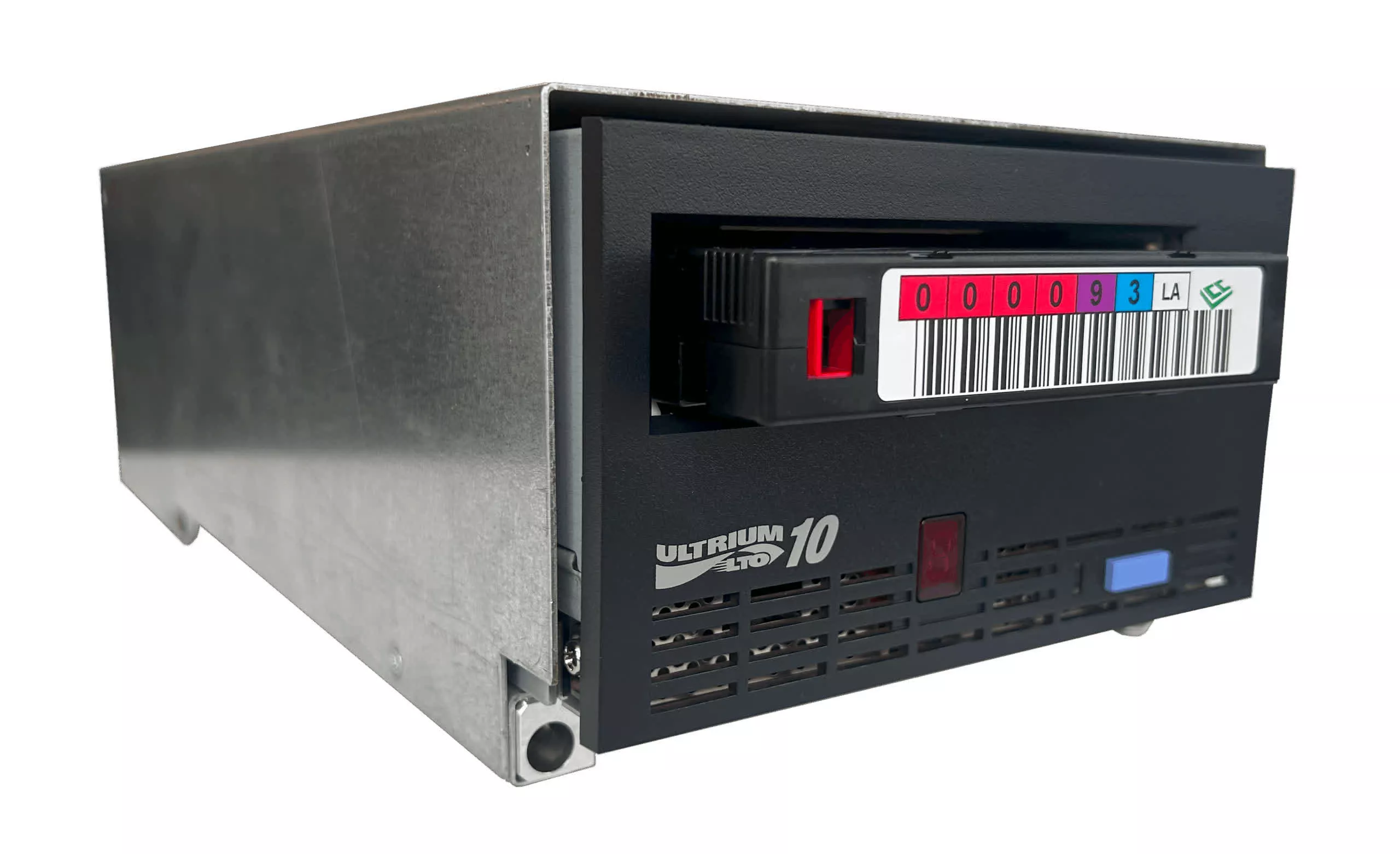
According to the plan, Fujifilm will expand the production scale of its factory in Odawara City, Kanagawa Prefecture, Japan, from fiscal year 2026 to fiscal year 2028. The company expects that after the expansion is completed, the relevant production capacity will be increased to about five times the current level to cope with the continued growth in order demand from cloud computing service providers, data center operators and enterprise customers.
In recent years, generative artificial intelligence has rapidly become popular, and large model training and inference have generated massive amounts of data. While high-performance solid-state drives and hard disk systems handle data processing, tape still has clear advantages for long-term data storage. Its unit storage cost is lower, energy consumption is smaller, and it is suitable for long-term archiving, so it has regained the attention of the technology industry.
The key product of Fujifilm's production expansion this time is the latest generation LTO-10 tape. As the current mainstream tape storage standard in the industry, LTO technology was initially jointly promoted and developed by IBM, HPE, Quantum and other companies, aiming to provide a unified and open solution for enterprise-level data archiving.
The newly released LTO-10 single-volume tape has a native capacity of up to 40TB, can save up to 100TB of data under data compression conditions, and has a data transfer speed of 400MB per second. While this performance is difficult to compare with modern solid-state storage devices, it is sufficient for backup and cold data archiving scenarios.
In addition to its cost advantages, tape is gaining renewed attention due to network security needs. Because tapes can be completely disconnected from the network and stored in physical isolation, the risk of data loss caused by ransomware and other network attacks can be effectively reduced. This makes it still have an important position among financial institutions, scientific research organizations and large cloud service providers.
Industry insiders pointed out that as the scale of artificial intelligence models continues to expand and the demand for data storage grows rapidly, companies are re-evaluating the long-term costs of various storage solutions. With its large capacity, low energy consumption and high reliability, tape has once again become an important part of the data center infrastructure.
Tape technology will continue to evolve in the coming years. According to the industry roadmap, the next-generation LTO-11 standard is expected to further increase storage density and single-volume capacity, providing greater storage space for the expanding data world.
On the surface, artificial intelligence is driving the development of advanced GPUs, data centers and high-performance servers; but at the other end of the industry chain, this wave has also given new life to decades-old tape storage technology. As the amount of global data continues to surge, this technology, which was once thought to be gradually withdrawing from the mainstream stage, is ushering in a new golden age.
Comments