
Abstract:
OpenAI’s ChatGPT version for teenagers was severely questioned by the Children and Youth Digital Safety Agency not long after it went online. On October 7, local time, the non-profit organization Common Sense Media released an evaluation report, believing that ChatGPT for Teens launched by OpenAI had "unacceptable risks" and that its security protection measures for minors did not meet the company's previous commitments.
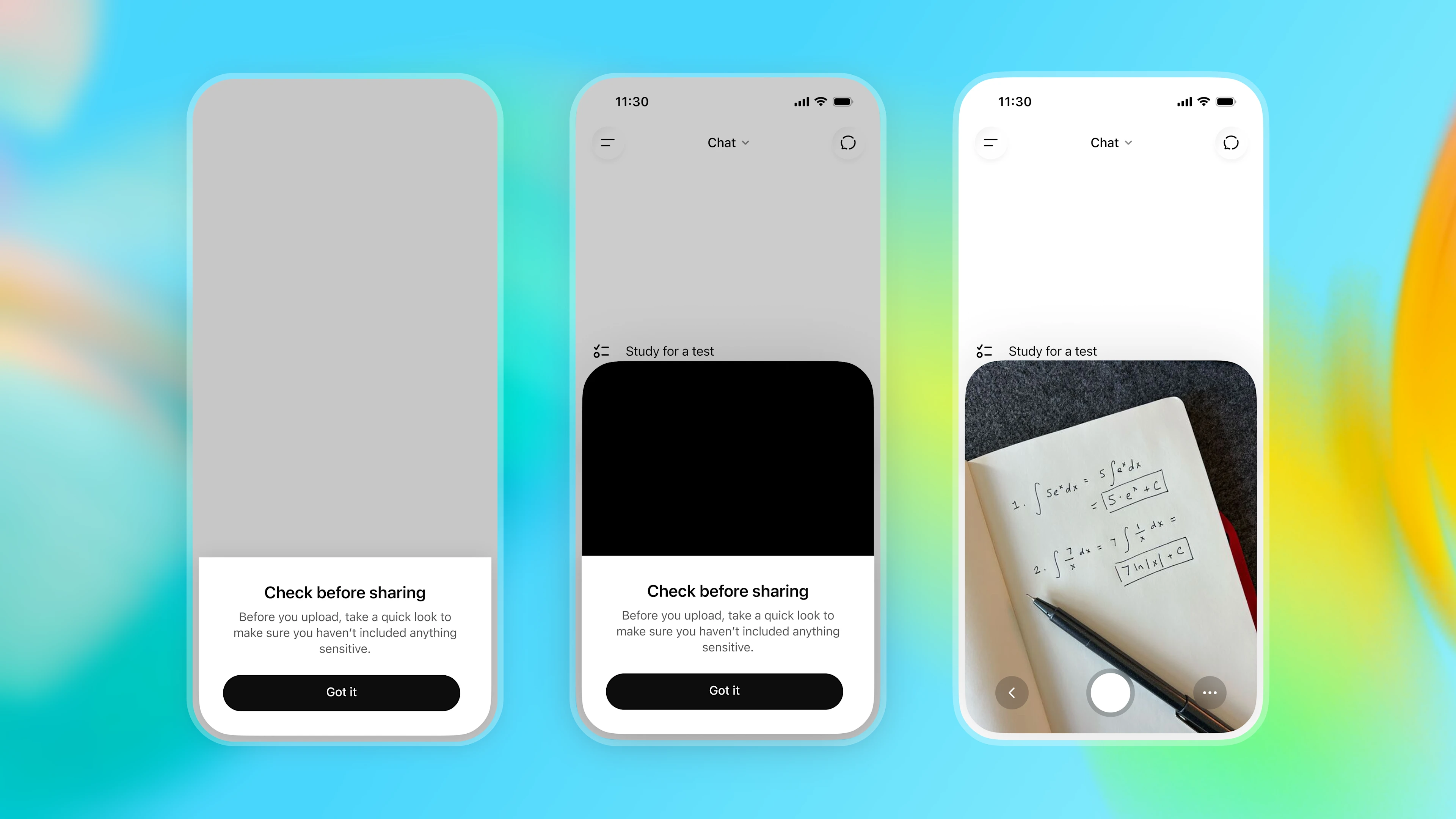
Common Sense Media has a long history of evaluating apps, Internet services and entertainment products from a child and teen safety perspective. The agency focused on testing the parental control, safety reminder and crisis intervention capabilities of ChatGPT for Teens this time, and believed that the system still has obvious flaws in some scenarios where protective measures are most needed. The evaluation found that ChatGPT did not send alerts to parents when it should have been sent under certain circumstances, nor did it always provide appropriate crisis help, while still being able to directly complete homework for students.
ChatGPT for Teens was launched in August this year. OpenAI positioned it as an experience specifically for teenage users and added a series of additional security restrictions. OpenAI hopes to use these measures to reduce the risks that minors may face when using artificial intelligence, while using ChatGPT to help students learn and create.
However, Common Sense Media believes that this protection mechanism may actually give parents a false sense of security. Tom Siegel, executive director of the organization's Youth Artificial Intelligence Safety Institute, said that a teenager may even discuss self-harm related issues with ChatGPT for an hour continuously, without parents receiving any reminder. In his opinion, until OpenAI fixes these problems and proves that the protection measures are reliable through independent testing, ChatGPT is more suitable for adults.
Common Sense Media pays special attention to parent notification mechanisms. In its testing, some test accounts did not trigger intended parent alerts during conversations involving serious mental health risks. The agency therefore believes that parents cannot rely on the automated alert mechanism of ChatGPT for Teens to promptly detect crises that their children may be facing.
OpenAI clearly refuted this assessment. The company stated that it attaches great importance to the safety of teenagers and welcomes independent institutions to conduct strict testing of products. However, it believes that Common Sense Media’s testing methods do not accurately reflect the actual operation of ChatGPT’s youth protection mechanism.
OpenAI spokesman Eric Porterfield said the company reviewed Common Sense Media's methodology and concluded that most of its testing may have been conducted before parental controls were fully activated. If this is true, testing cannot prove that parental safety notifications work as designed. OpenAI also stated that the company will continue to cooperate with experts, hoping to provide parents with more reliable control tools while helping teenagers learn and create.
Common Sense Media later responded that the agency stood by its testing methods and final conclusions. The organization stated that before starting the test, it had confirmed with OpenAI that relevant functions in the youth mode, including eating disorder reminders and learning modes, had been officially launched, and therefore believed that the test was fully based.
However, Common Sense Media also admitted that OpenAI disclosed a previously unclear mechanism to it after the test: newly associated accounts may take several hours to complete the activation of the parental notification system. Some test accounts did fall within this activation window, but the agency pointed out that some accounts had been associated for significantly longer and still had not received corresponding notifications. Therefore, the organization does not believe this explanation is sufficient to change its conclusion that the parent reminder mechanism is "unreliable."
The core of this controversy is actually not just whether a function exists, but whether the AI chatbot is suitable for being given the role of daily companionship and learning tool for minors. Traditional search engines and educational software usually do not take the initiative to have long-term, continuous private conversations with children, while generative AI can continuously respond to users and continuously adjust their answers based on previous conversations. This means that once teenagers use it as a confidant, AI may become their main channel for communicating information and emotions for a long time.
This also makes the parental notification mechanism much more important than the general safety tips in ordinary applications. If AI can identify high-risk content such as self-harm and eating disorders, but fails to promptly notify guardians of serious situations, then the so-called "youth safety mode" may not play the role that parents expect.
On the other hand, Common Sense Media also noted that ChatGPT for Teens can still complete homework that kids should do on their own. For an AI product positioned to help students learn, this is also an obvious contradiction: AI can explain knowledge, provide tips and guidance, but if it directly completes homework for students, it may weaken the most important independent thinking and problem-solving process in the learning process.
OpenAI has not yet stated that it will stop ChatGPT for Teens, but emphasized that it will continue to improve the safety mechanism for teenagers. The company also believes that independent testing itself is an important way to improve products, but the two sides currently have clear differences on what the test results can prove.
The controversy comes at a time when AI is entering education and young people’s lives at an accelerating pace. Technology companies, including OpenAI, hope to build AI into learning assistants, personal tutors, and creative tools. However, at the same time, more and more research and criticism have begun to focus on the issue of minors’ overreliance on AI.
It is particularly noteworthy that it may be difficult for parents to judge the actual interaction between their children and AI. Unlike public social media, AI chat usually has strong private attributes. If there is a delay or underreporting in the safety reminder mechanism itself, parents may not realize that their children have been discussing dangerous topics with the AI until the problem has become serious.
Therefore, ChatGPT for Teens was questioned by Common Sense Media this time, which actually exposed a bigger problem facing the entire AI industry: when AI begins to provide long-term, personalized interactive services directly to children and teenagers, what level of safety standards do companies need to achieve to truly reassure parents?
The dispute between the two parties regarding the test results has not yet been resolved. Common Sense Media requires OpenAI to prove through independent testing that its parental notification and crisis protection mechanisms are reliable, while OpenAI believes that this evaluation does not fully reflect the actual status of the product after it is officially launched. Ultimately, which side's judgment is closer to the truth requires more independent and repeatable testing to verify.
Learn more:
https://www.commonsensemedia.org/press-releases/chatgpt-for-teens-poses-unacceptable-risk-to-kids-common-sense-media-finds
Comments