
Abstract:
The ArtCraft project recently unveiled three applications based on Adobe's creative software and implemented from scratch in Rust: PhotoCraft is for layer-based image editing, FilmCraft focuses on video editing, color correction and audio processing, and LightCraft is responsible for photo management and RAW file processing.
The project repository was created on September 30, and related tools are available for Linux, Windows and macOS; some applications also provide browser version or FreeBSD support. Phoronix reports that developers use AI coding agents such as Claude Code to speed up builds and continue to release updates within a week. The "AI" here mainly refers to the software development process, and FilmCraft currently only has a small number of AI functions.
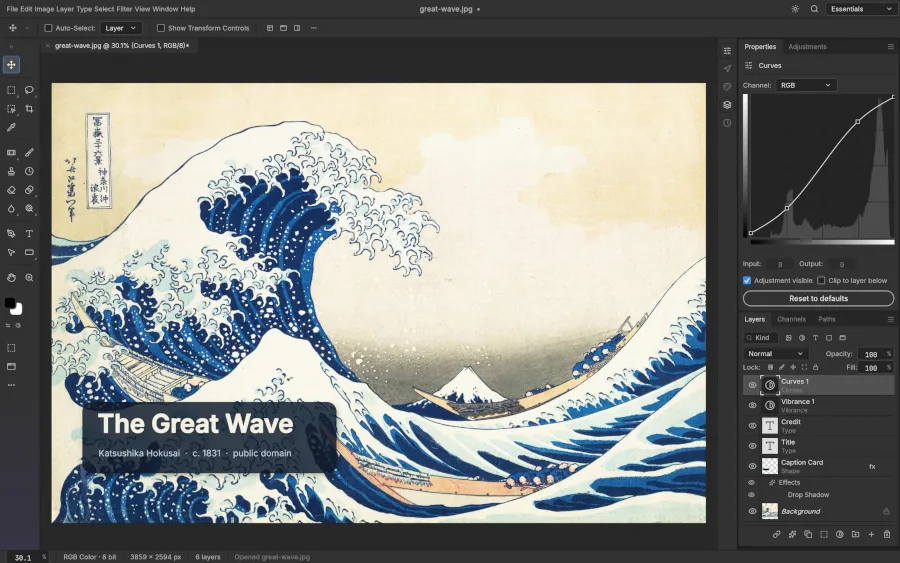
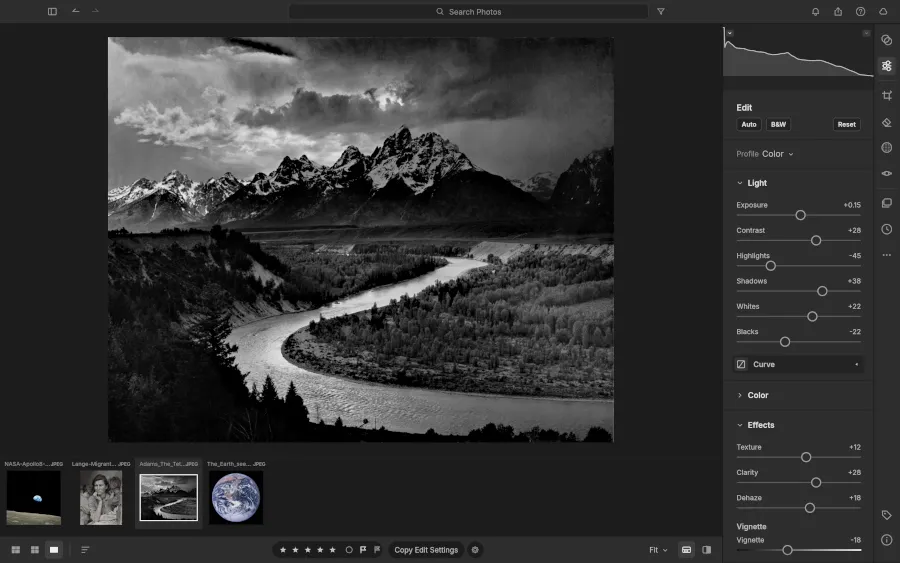
PhotoCraft supports layers, masks, adjustment layers, text, vectors, brushes and layer styles, and can open, edit and save PSD files. The developer said that after opening and re-saving the 307 PSD files in its test set, the rendering results remained consistent with the original files. LightCraft provides non-destructive RAW photo editing, tone and color adjustment, local masking and photo library management; its image processing process uses a 32-bit floating point wide color gamut solution. All three projects are open source code under the MIT or Apache 2.0 license. The project team said that the code is rewritten in Rust and does not contain Adobe proprietary code, icons, images or presets.
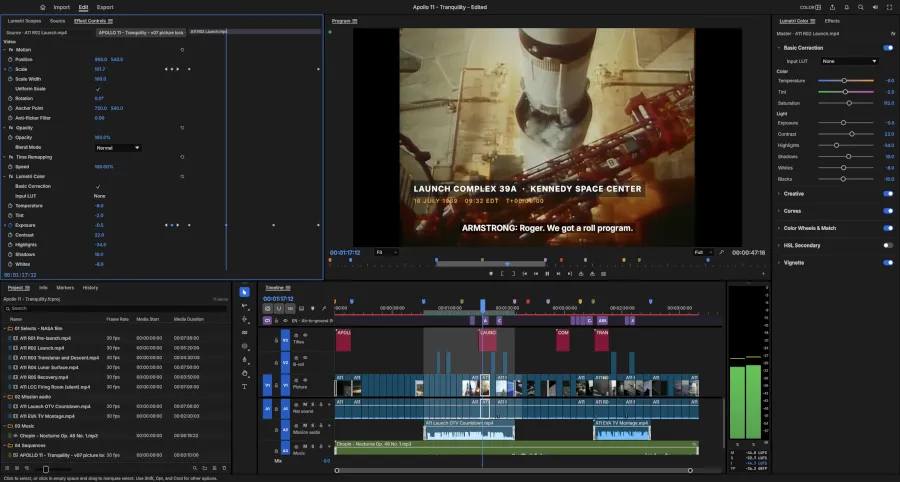
FilmCraft includes timeline editing, cropping, multi-camera, keyframes, effects, subtitles, mixing and video export. However, the project team estimated in its own roadmap that the completion rate is about 87% based on the Premiere menu, effects and format function list; if measured by whether it can replace Premiere to handle real projects, it is only about 50% to 60%. At present, it does not support plug-ins. The encoding of finished films is mainly limited to H.264. There is no hardware decoding path for Windows and Linux. The project team also admits that the compatibility of real cameras and mobile phone materials still needs more testing.
The "clean-room" title of these software comes from the project party's description of the independent rewriting method. It does not mean Adobe's participation, approval or endorsement, nor can it be determined by this title alone that the relevant intellectual property issues have been legally recognized. At this stage, they are better regarded as rapidly evolving open source alternative projects, rather than mature products that can seamlessly replace Adobe's full suite of professional software.
Learn more:
https://getartcraft.com/
Comments