
Abstract:
Denmark’s efforts to promote the “de-Microsoftization” of government office software have encountered setbacks. The latest news shows that the country has quietly terminated a pilot project aimed at replacing Microsoft Office with European local software. What was originally regarded as an important step towards technological independence has now come to an end.
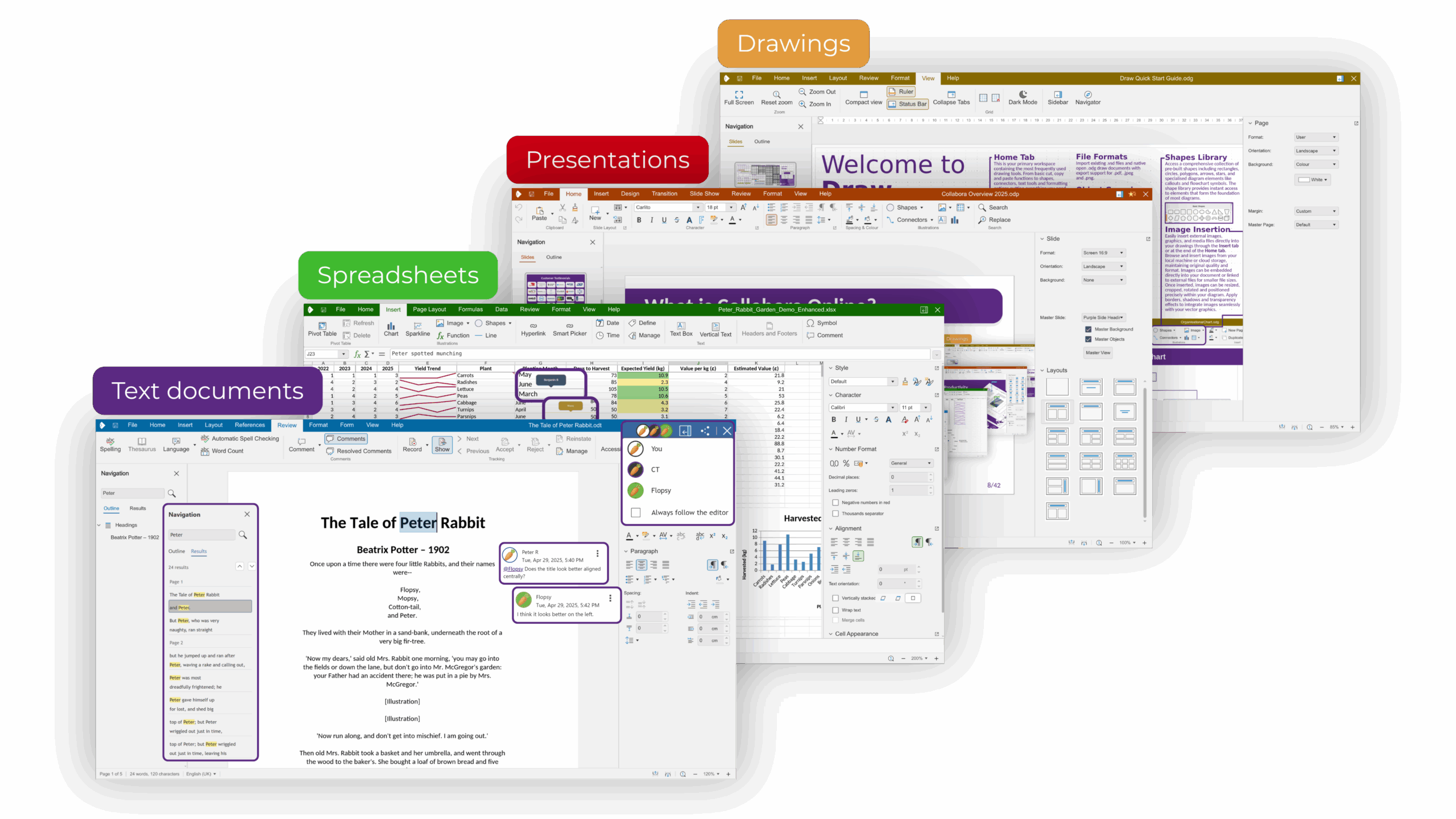
The Danish government announced in 2025 that it planned to gradually move away from dependence on Microsoft Windows and Microsoft Office and turn to open source alternatives such as Linux. Similar to the German state of Schleswig-Holstein, Denmark wants to reduce its dependence on U.S. technology suppliers while shielding itself from external factors as the political and business environment changes.
According to reports from the Danish media "ComputerWorld.dk" and the Dutch media iBestuur, Denmark has abandoned its previously promoted office software replacement plan. The project originally planned to replace Microsoft Office with an office suite developed by British company Collabora, which was seen as an important part of Denmark's efforts to achieve digital sovereignty and technological independence.
The pilot project was launched last year, with a total of 38 government department staff participating in the test. Their task is to use Collabora to process Office documents in actual work and evaluate whether it can meet the needs of government offices. However, after elections were held this year, the pilot was terminated. A spokesperson confirmed that the experiment has ended and will not be restarted.
It is worth noting that the Danish government has not formally evaluated the results of the pilot, nor has it released any official report on the performance or user experience comparison between Collabora and Microsoft Office.
Despite the lack of a formal summary, during the project, it has been reported that staff involved in testing encountered many compatibility issues. For example, a document created by Microsoft Office may appear with a blank page when opened in Collabora, and a similar situation may occur when the file is opened in reverse. These problems mainly stem from the different documentation standards adopted by both parties.
Collabora is primarily based on the Open Document Format (ODF), while Microsoft Office uses its OOXML document specification. For a long time, the compatibility dispute between ODF and OOXML has existed, which not only affected Collabora, but also brought similar challenges to other office software such as LibreOffice. Differences between different standards often cause problems in document layout, chart display, and format restoration.
Although Denmark's attempt failed, the trend across Europe of seeking to reduce dependence on Microsoft has not stopped. France is promoting the migration of government systems to Linux, EU agencies are also studying alternatives to Teams, and some local governments in the UK are beginning to consider reducing the use of Microsoft Office due to continued increases in licensing fees.
Analysts believe that if the Danish government had completed a systematic evaluation of the project, its experience could have provided important reference for other European countries and regions. However, as the pilot ended without a formal summary report, the reference value that this case can leave will be greatly reduced.
Comments