
Abstract:
Researchers at King's College London recently completed a large-scale systematic review and meta-analysis on the relationship between cannabis use and violent behavior. The study, which compiled data from 63 studies and more than 265,000 people, showed that cannabis users were more likely to commit violent acts and be victims of violence than non-users. However, the researchers emphasized that these results reflect statistical associations and do not prove that marijuana itself directly causes violent behavior.
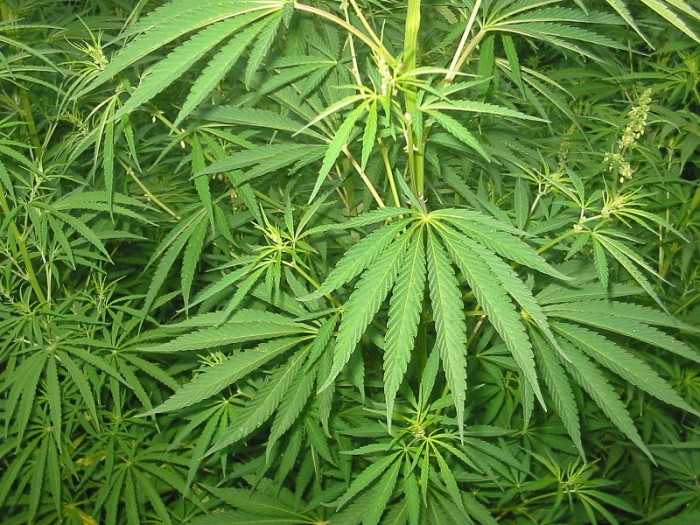
The study was published in the journal Psychological Medicine. The research team, from the Institute of Psychiatry, Psychology and Neuroscience at King's College London, analyzed the general population separately from those receiving psychiatric treatment, as well as self-reported violence by participants and violence that ultimately led to criminal convictions.
Among the general population, marijuana users are approximately 2.05 times more likely to commit violent acts than non-users; among those receiving psychiatric treatment, this rate further increases to approximately 2.49 times. The study also found that the correlation persisted in longitudinal studies, but was significantly weaker than in cross-sectional studies that only compared marijuana use and violence at the same time point.
The statistical correlation is even stronger when narrowing the scope to violent acts that ultimately lead to criminal convictions. Among the general population, cannabis users were approximately 3.75 times more likely to experience such outcomes than non-users; among psychiatric patients, the odds were approximately 4.21 times higher. However, this part of the analysis relied on a relatively small number of studies, so the researchers believe the data need to be interpreted with caution.
The study didn't just look at whether marijuana users commit violence, but also looked at their likelihood of becoming victims of violence. The results showed that cannabis users were about 1.49 times more likely to be victims of violence than non-users, and this association was more pronounced among women and mixed samples.
The research team adopted the World Health Organization's broad definition of violence, so "violence" here does not only refer to serious physical attacks, but also includes physical, sexual and psychological violence, including violence that occurs within intimate relationships and violence that occurs in other social relationships.
The researchers believe that by analyzing data from different types of violence and different groups of people together, they can more comprehensively determine whether there is a stable association between marijuana use and violence. The specific measurement methods used in different studies are not completely consistent, so when a single study involves multiple forms of violence, the most severe form is used for analysis.
One of the most important limitations of this study, however, is that it does not answer the causal question of whether marijuana causes violence. Cannabis use often co-occurs with other factors that may influence the risk of violence, such as alcohol and other drug use, as well as more difficult social circumstances. So even if statistics show a clear link, the increased risk cannot simply be attributed entirely to marijuana itself.
The researchers also note that there is currently insufficient information on the frequency and dosage of cannabis use. Of the large number of studies included in the analysis, only a few detailed how much marijuana participants used and for how long. Therefore, the study cannot accurately determine whether there are significantly different risk levels between occasional use, regular use, and heavy daily use.
Additionally, much of the data included in the study was collected before high-potency cannabis products were as common as they are today. In recent years, some cannabis products on the market have contained higher concentrations of tetrahydrocannabinol (THC), so the researchers believe that if more data on modern high-concentration products and long-term, daily users can be obtained in the future, it may be possible to further determine whether there is a clearer relationship between the intensity of use and the risk of violence.
The research team stated that these findings have certain reference significance for mental health services. The researchers believe that cannabis use could be included in routine inquiries when assessing a patient's risk for violence, and that public health messaging should educate the public about the statistical link between cannabis use and violence.
However, the study authors also stressed that this does not mean that people who use marijuana will behave violently. The research shows differences in risk at the group level, rather than judgments about the behavior of a specific user. The researchers also stress the need to avoid simply linking all cannabis users to violence when discussing the issue.
As more and more countries and regions adjust cannabis-related policies, the scale of cannabis use and the degree of product commercialization are changing. This analysis, covering more than 265,000 people and 63 studies, provides larger statistical evidence for the relationship between marijuana use and violence, but the findings also indicate that more long-term studies in this area that can control for confounding factors such as alcohol, other drugs, social environment, and marijuana dosage are needed to further clarify the extent of the causal relationship between the two.
Comments