
Abstract:
The latest supply chain forecast report released by technology industry analysis organizations points out that Apple’s roadmap for mixed reality and wearable devices in the next few years has gradually become clear. According to the latest research and development progress grasped by the supply chain, Apple plans to officially launch its first consumer-grade lightweight smart glasses product in 2027, while the much-anticipated second-generation upgraded version of the Apple Vision Pro headset is expected to be postponed to 2028.
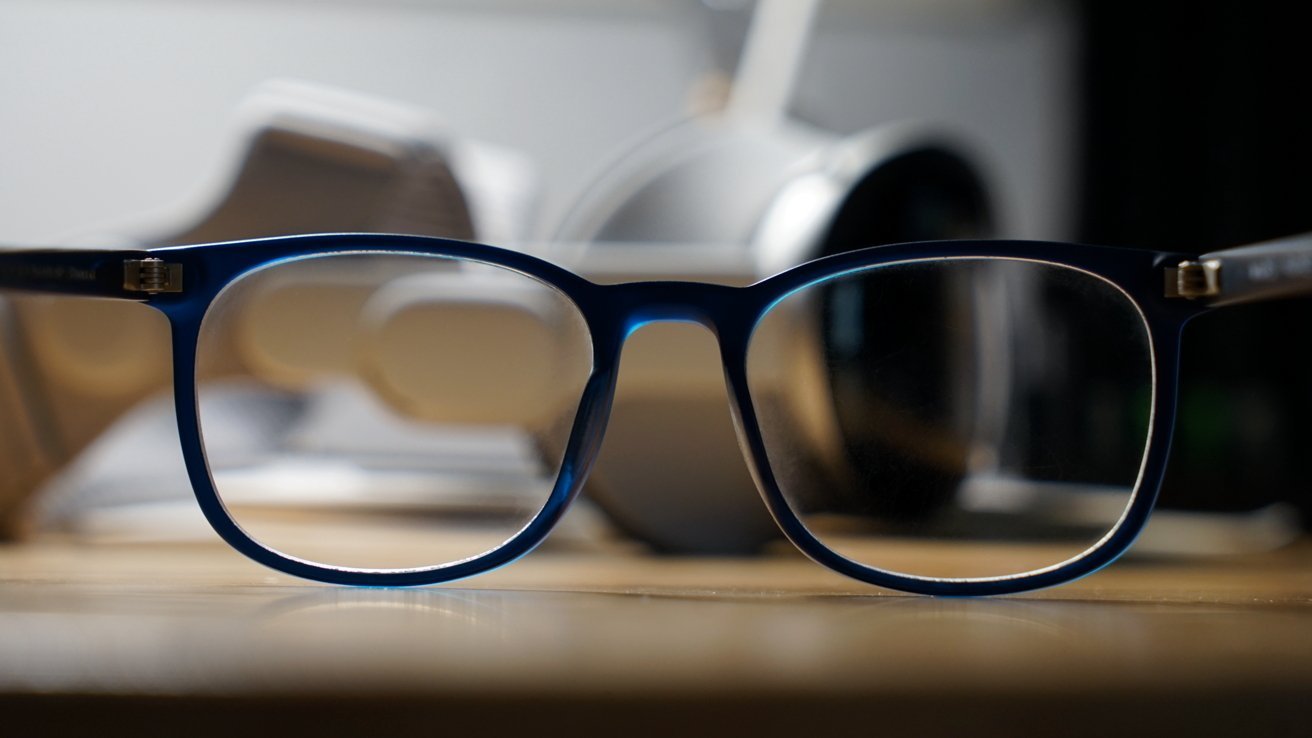
In terms of the smart glasses product line, analysis reports indicate that Apple’s new hardware will focus on portability for all-day wear and daily augmented reality (AR) interactive experience. Unlike bulky head-mounted displays, the smart glasses are designed to replace some of the iPhone's daily notifications, real-time navigation and voice assistant interaction functions. They do not include an immersive virtual reality screen, but have achieved major breakthroughs in power consumption control, lens optical refractive index and battery life performance. Previously, it was reported that the project had undergone multiple product form demonstrations within Apple, and finally established a route focusing on lightweight, fashionable appearance and deep integration of AI.
At the same time, the pace of updates to the high-end spatial computing device Apple Vision Pro has slowed down. Supply chain supply chain news shows that Apple chose to postpone the mass production and release of the second-generation Vision Pro to 2028 because the market demand for the first-generation product was relatively niche and the high price limited the popularity. The new headset is expected to focus on solving the pain points caused by the weight and wearing comfort of the first-generation product while maintaining top-level display specifications, and significantly reduce production costs to broaden the target audience.
Industry observers analyze that Apple’s adjustment of the pace of hardware release reflects its pragmatic shift in spatial computing and wearable device strategies: on the one hand, it will seize a larger mass consumer market through lightweight smart glasses in 2027, and on the other hand, it will leave sufficient underlying chip upgrades and ecological content incubation cycles for high-end headsets. This combination is expected to further consolidate Apple's overall layout in the field of next-generation human-computer interaction terminals in the next few years.
Comments