
Abstract:
Bluetooth technology is about to undergo one of the most important performance upgrades since its inception. The Bluetooth SIG recently officially announced the launch of "High Data Throughput" (HDT) technology. This new standard will significantly improve the transmission capabilities of Bluetooth Low Energy (Bluetooth LE) and bring faster data exchange speeds and richer application scenarios to future wireless headsets, smart wearable devices, computers and mobile devices.
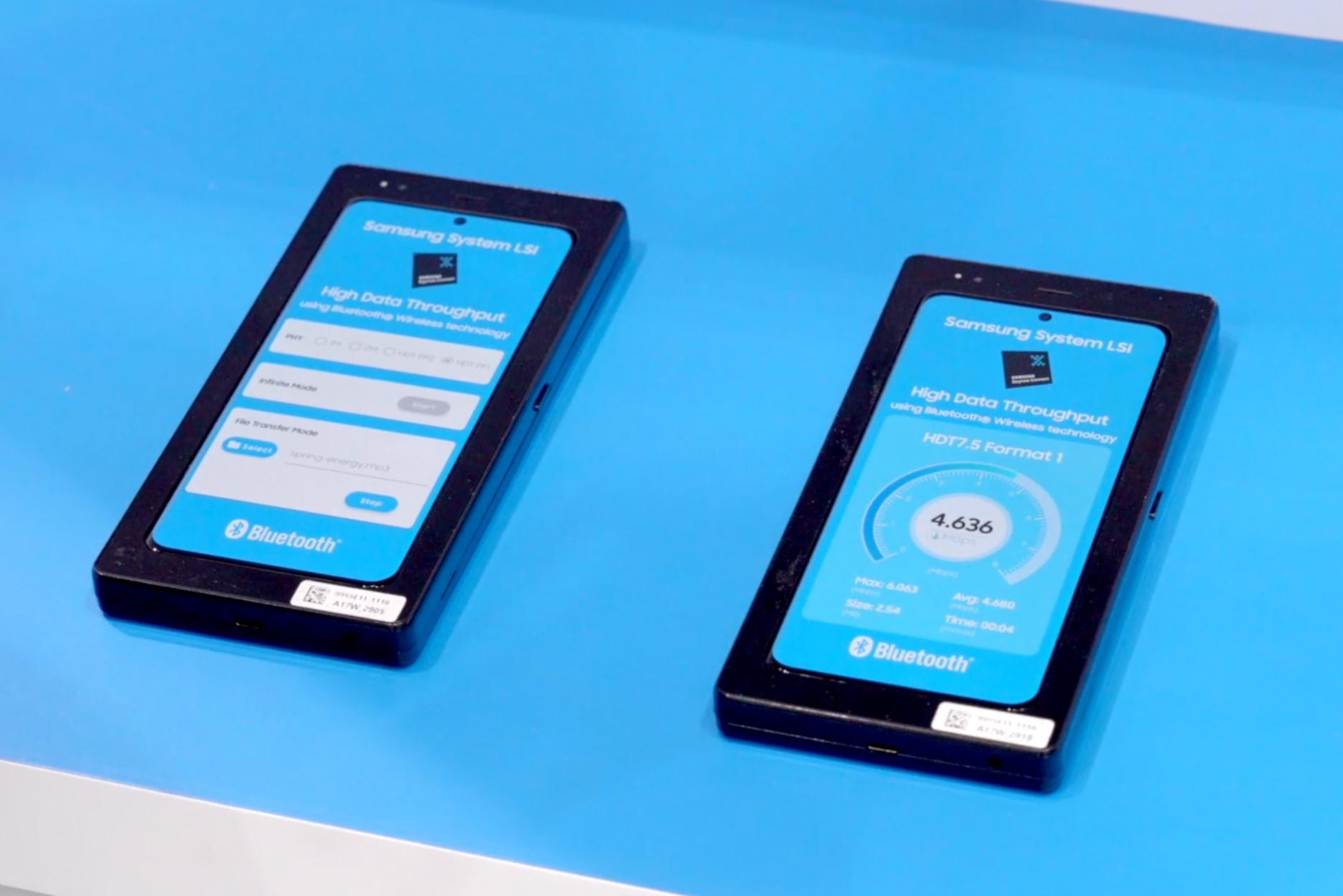
According to official information, Bluetooth HDT introduces a new physical layer (PHY) technology and a more advanced modulation method to Bluetooth LE, which can increase the maximum transmission rate to 7.5Mbps. Compared with the current Bluetooth LE 2M PHY's maximum speed of 2Mbps, the theoretical transmission performance of the new standard is nearly four times improved.
The Bluetooth Technology Alliance stated that HDT not only means higher speed, but also brings greater data capacity, better transmission efficiency and higher reliability. As the amount of data transmitted by devices continues to grow, simply increasing the speed can no longer meet future needs. Therefore, the new standard places special emphasis on comprehensive improvements in speed, capacity, energy consumption, and stability.
At the practical application level, faster data throughput means that the device can complete more information transmission in the same time. For users, tasks such as file synchronization, device pairing, content sharing and firmware updates will significantly shorten the waiting time, and the overall user experience will become smoother.
The audio field is considered to be one of the most important beneficiaries of Bluetooth HDT. Currently, Bluetooth LE Audio mainly relies on LC3 encoding technology, and higher-standard lossless audio and high-resolution audio transmission have long been limited by bandwidth. The substantial performance improvements provided by HDT are expected to make it easier for future wireless headphones and speakers to support lossless and high-resolution music playback, further narrowing the gap between wireless audio and wired audio.
The new standard will also improve the process of large firmware updates. Many headsets, smartwatches and other wearable devices currently take a long time to receive software updates, and the higher bandwidth brought by HDT can significantly shorten the time required for upgrades. In addition, the efficiency of large-capacity data exchange between devices will also be improved simultaneously.
Technically, Bluetooth HDT uses a new modulation scheme to carry more data in the wireless link. At the same time, the new standard adds a forward error correction mechanism and a data block-based transmission structure to ensure reliable connections at high speeds. The device can also dynamically adjust the transmission rate according to the wireless environment, and automatically switch to a more reliable working mode when interference is large or the signal is weak.
In terms of security, the new standards have also been strengthened. The message integrity check and encryption mechanism have been upgraded to provide a higher level of security protection for future data transmission.
Analysts pointed out that the importance of this technology is not only reflected in the speed figures, but also in that it re-expands the application boundaries of Bluetooth technology. In the past, many wireless applications that required higher bandwidth often had to rely on Wi‑Fi or other wireless solutions. The emergence of Bluetooth HDT is expected to allow Bluetooth to take on more tasks that were previously difficult to achieve.
However, users who want to enjoy this upgrade cannot do so through software updates alone. Since HDT requires new wireless hardware support, existing headsets, mobile phones, smart watches and other Bluetooth devices usually cannot directly obtain 7.5Mbps transmission capabilities. In the future, products equipped with a new generation of Bluetooth chips will be needed to take full advantage of this technology.
With the official adoption of Bluetooth HDT, Bluetooth technology is entering a new stage of development. The industry expects that new wireless headsets, mobile devices and smart terminals that support this standard will be launched one after another in the next few years. Higher quality wireless audio, faster file transfer and more efficient device interconnection will also become important development directions for the next generation Bluetooth ecosystem.
Comments