
Abstract:
Apple recently officially confirmed that some US AT&T users are using iPhone 18 Pro Max has serious cellular connection issues. Affected devices may suddenly lose mobile network services and be unable to make calls, send and receive text messages, or use cellular data. Some devices may stay in the "SOS" state for a long time. What's more noteworthy is that Apple confirmed that if the device has completely lost cellular service due to this problem, simply updating the system or operator configuration will not restore it to normal, and the entire device must be replaced.
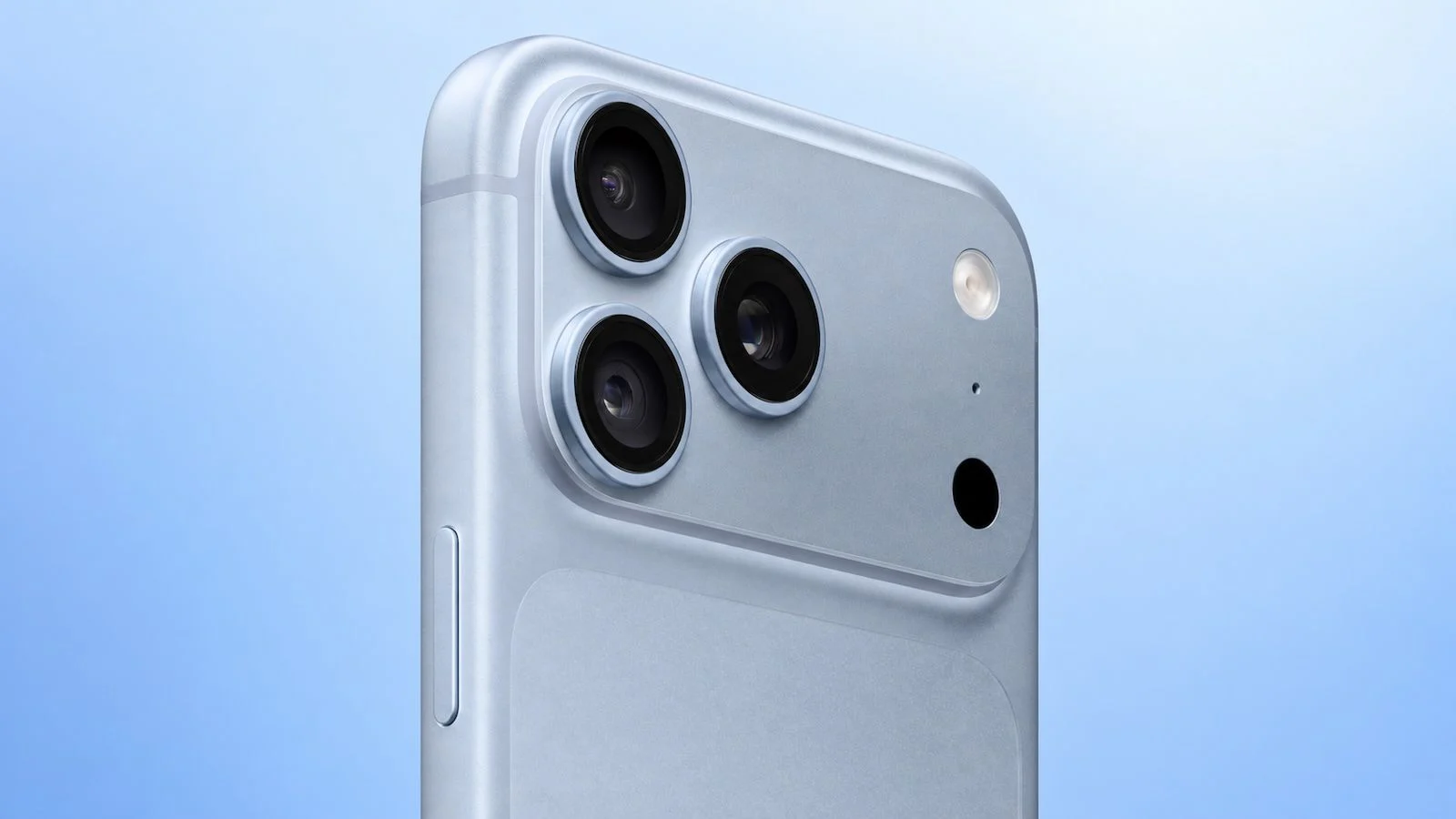
But for devices that have failed, the situation is completely different. Apple has made it clear that if an iPhone 18 Pro Max has lost cellular network service due to this issue, neither iOS 27.0.1 nor the new carrier configuration update will be able to bring it back to normal. Affected users need to contact Apple customer service or AT&T, or go directly to an Apple Store or AT&T store for device replacement.
This also explains why many users still cannot solve the problem after installing iOS 27.0.1. AT&T has previously sent text messages to some users, asking them to upgrade their systems immediately, and reminding them that the problem may cause phone calls, text messages, data and even 911 emergency calls to not be completed normally. However, a large number of users who have experienced failures have reported that their devices are still in SOS status after the upgrade. Now Apple's official explanation indicates that this does not necessarily mean that the update itself has no effect, but that the software update is mainly positioned as a "prevention" and not a repair for an already malfunctioning device.
This problem has appeared since the iPhone 18 Pro Max was launched on September 18. Affected users reported that their phones may be intermittently or continuously unable to connect to the AT&T network, and that calls, text messages, and mobile data are all invalid. Some users still cannot return to normal after restarting and reconfiguring eSIM. As the number of complaints grew, Apple and AT&T eventually began working together to address the issue.
At present, Apple has not announced the specific technical cause of the failure, so it is still unclear whether it is the baseband hardware, iOS, operator configuration, eSIM configuration process, or a combination of these factors that caused the problem.
It is worth noting that the iPhone 18 Pro sold in the United States Max has a special feature in this year's iPhone product line: it uses Qualcomm Snapdragon X80 cellular baseband, while iPhone 18 Pro and iPhone Duo use Apple's self-developed C2 baseband. The iPhone 18 Pro Max sold outside the United States also uses the C2 baseband. Therefore, the devices currently experiencing problems happen to be focused on the "US version iPhone 18 Pro Max + AT&T" combination.
Judging from Apple's current handling methods, the company has obviously treated "devices that have lost contact" differently from "devices that have not yet failed." For iPhone 18 Pro Max that is working normally, Apple hopes to avoid risks in advance through iOS 27.0.1 and new operator configuration updates; for devices that have malfunctioned, it will directly adopt hardware replacement solutions instead of continuing to require users to repeatedly restore the system or reconfigure eSIM.
Comments