
Abstract:
Apple released a new high-end MacBook Pro on October 28, available in 14-inch and 16-inch specifications. The new product is equipped with a PROLED XDR display that supports touch gestures, and the illuminated Apple logo on the back of the fuselage is re-lit. The 14-inch model starts at $2,899, and the 16-inch model starts at $3,399.
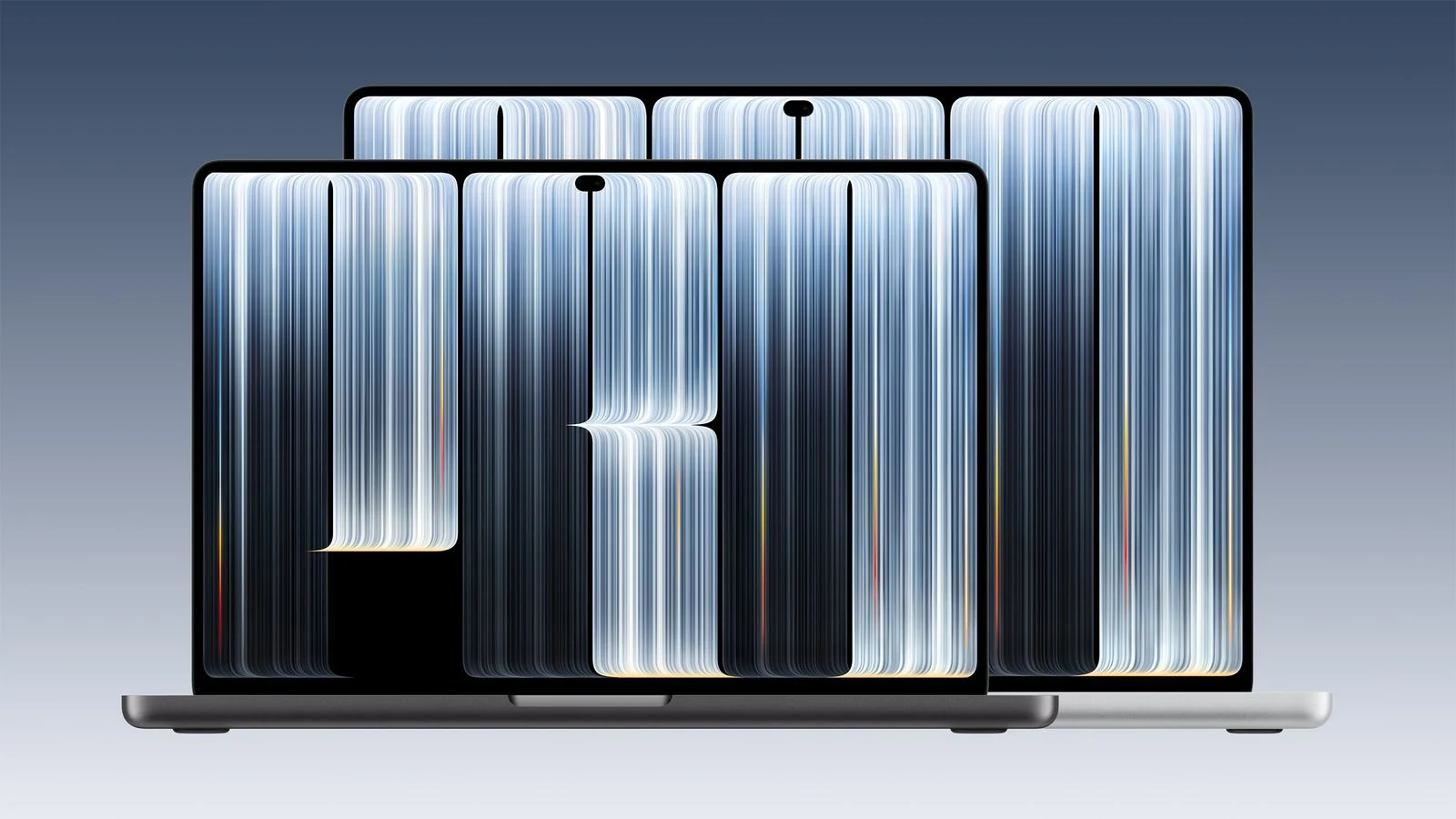
Apple claims that this MacBook Pro has “the world’s best display among professional-grade notebooks.” The PROLED screen uses double-layer series OLED technology, combined with advanced algorithms and factory calibration in the display engine, to achieve "excellent brightness, stunning contrast and vivid and lifelike colors." The peak HDR brightness and SDR brightness of the screen can reach 2000 nits, and the contrast ratio is as high as 10000000:1. The display engine controls color and brightness on a pixel-by-pixel basis and can compensate based on content, temperature, ambient light, and pixel usage. ProMotion technology allows the refresh rate to be dynamically adjusted between 10Hz and 120Hz. The anti-reflective coating can reduce glare under strong light. Users can also choose nano-textured glass.
John Ternus, Apple's senior vice president of hardware engineering, said on social platforms: "We are glowing with excitement about the new MacBook Pro. You have to touch it to believe it."
The touch sensor is integrated directly inside the display panel, so there is no additional delay. Apple said the touch interaction is "extremely responsive and the experience is exquisite." Users can swipe to browse web pages, pinch to enlarge photos, drag and drop slides from one presentation to another, and double-click a window to fill it full screen. The new hinge design provides greater stability when using touch, and the advanced video anti-shake function keeps the picture stable when touching during video calls. Apple said that macOS automatically converts touch operations into clicks, so many existing applications can support touch without modification.
The body is up to 1 mm thinner than the current version and lighter: the 14-inch model weighs just 3 pounds and the 16-inch model weighs 4 pounds. The notch screen has been canceled and replaced by a smart island that takes up less space. It integrates focused search, real-time activities and Siri AI. It is similar to the experience on the iPhone, allowing you to quickly view and operate important information. After the bezels are narrowed, the actual size of the 16-inch model increases to 16.3 inches, and the 14-inch model is 14.2 inches.
The new machine uses the M5 Pro and M5 Max chips from the MacBook Pro released in March this year, but the heat dissipation architecture has been redesigned to guide hot air away from the display. The unified memory supports up to 128GB, and the bass depth of the new six-speaker sound system is increased by 50%. The interface includes three Thunderbolt 5 ports, HDMI, SDXC card slot, MagSafe magnetic charging port and headphone jack. It can connect up to four external monitors and supports Wi-Fi 7 and Bluetooth 6. Fast charging can charge up to 50% in 30 minutes, and the storage capacity can be up to 16TB.
Apple will sell the OLED version of MacBook Pro alongside existing mini-LED models and the new M6 14-inch MacBook Pro. The new phone is currently available for pre-sale and will be officially launched on Friday, November 6.
Comments