
Abstract:
On October 26, Apple will launch another wave of new products this week, which may include the first touch-screen MacBook Pro. Bloomberg published an article saying that Apple has been reluctant to add touch screens to laptops for two decades. Why has it suddenly changed its attitude?
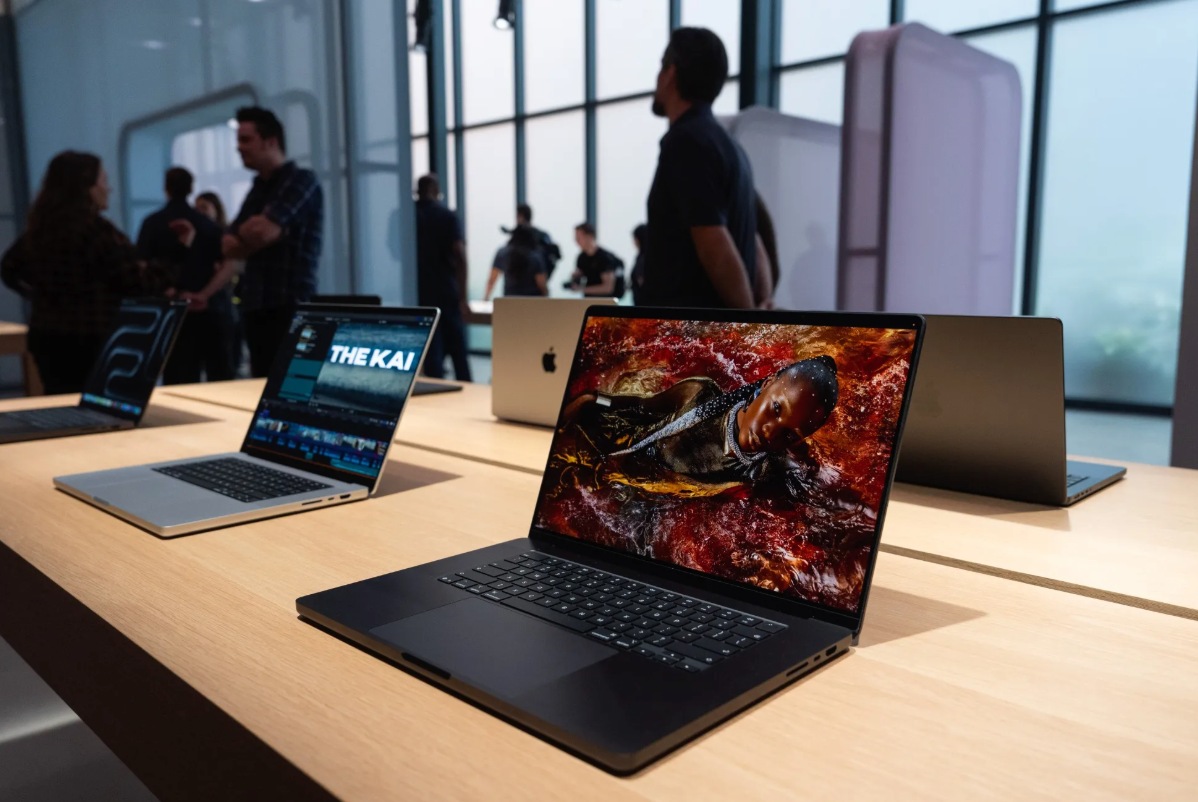
The touch screen MacBook is coming
dismissive
Apple executives have long had a habit of dismissing a product category until the company is ready to move into it. This was true for the smartphone market 20 years ago, and it was also true for the tablet market in the following decade. This year, Apple is repeating this scene in three important product areas: low-end laptops, foldable phones, and speakers with screens.
In most cases, it's easy to see that Apple is just putting up smoke and mirrors. Then-CEO Steve Jobs once downplayed speculation that Apple would enter the smartphone market. But given the success of the iPod in the early 2000s, and the fact that the world was on the eve of the mobile revolution, this is hard to believe. A few years later, the iPhone came out.
The same goes for foldable screen phones and speakers with screens. For Apple, it's never been a question of if these products will eventually be released, the real question is only when.
However, there is another product area that seems to have been almost stubbornly resisted by Apple, and that is touch-screen laptops.
Jobs once called such products "ergonomically terrible." After Tim Cook became CEO, he also compared tablet computers and personal computers to merge into one, like merging a toaster and a refrigerator. Longtime Apple marketing chief Phil Schiller has scoffed at the idea. Craig Federighi, the head of the software department, said that touch screens are not the appropriate interaction method for laptops. Even John Ternus, now CEO, dismissed the idea a few years ago.
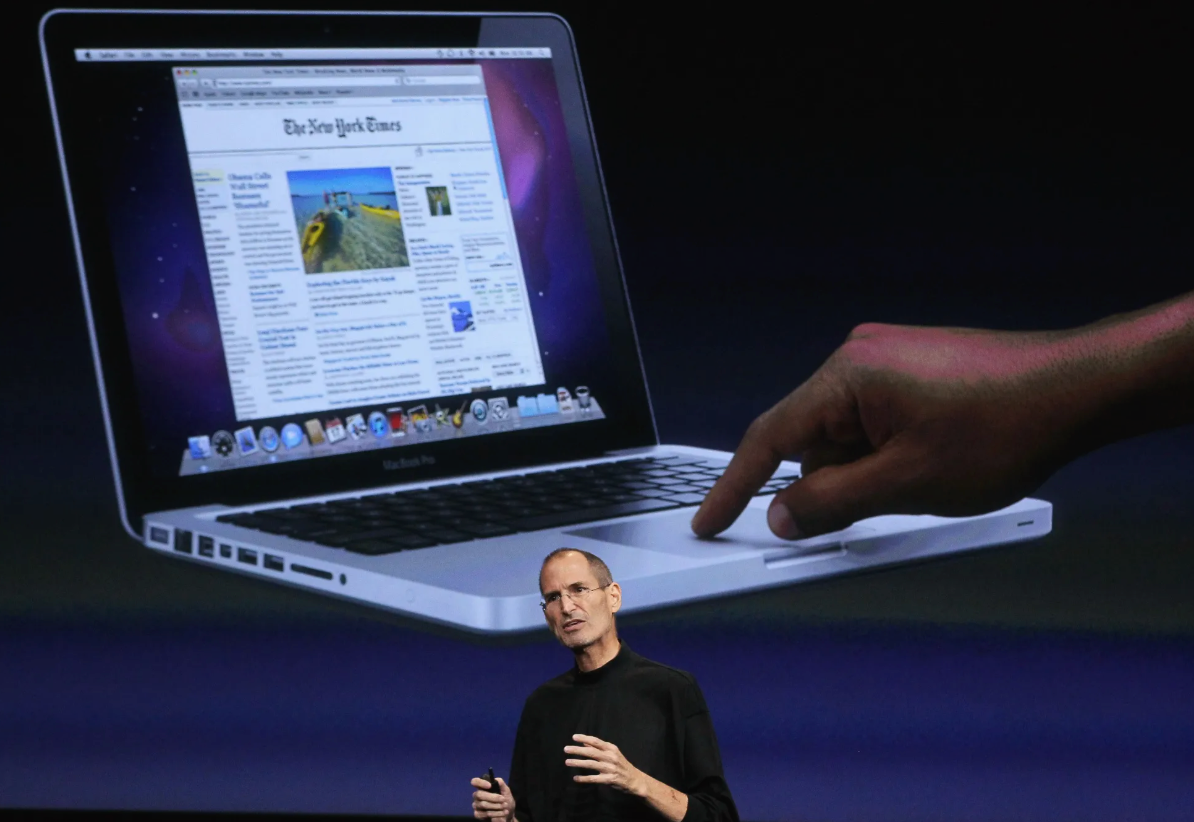
Jobs once dismissed the touch screen MacBook
However, after accelerating related research and development four years ago, Apple will launch its first touch-screen Mac computer on Wednesday. This product will be a high-end version of the MacBook Pro, similar in appearance to the existing model, but lighter and equipped with a touch screen using high-contrast OLED technology. This is also the first time that a Mac uses an OLED screen. In addition, the new phone will also add Smart Island interface elements familiar to iPhone users.
This computer will be available in 14-inch and 16-inch sizes, and the price will be significantly higher than the current MacBook Pro model, which starts at $2,499.
I don’t want to affect iPad sales
It was no coincidence that Jobs began criticizing the idea of a touch-screen Mac in 2010, because that was the year the original iPad was launched.
As Apple's tablet business continues to expand, Cook has further poured cold water on this concept. After all, Apple is a business company, and it is better for the company for consumers to buy both Macs and iPads at the same time. Keeping Macs touch-free while limiting the iPad's ability to completely replace laptops helps maintain differentiation between the two product lines.
Apple has long cited ergonomic considerations and the advantages of designing separate operating systems for different devices to explain why it separates the two categories. But it's hard to deny that it would be attractive if the iPad could run Mac apps while supporting multitasking capabilities similar to macOS. Apple has taken a step in this direction with iPadOS 26.
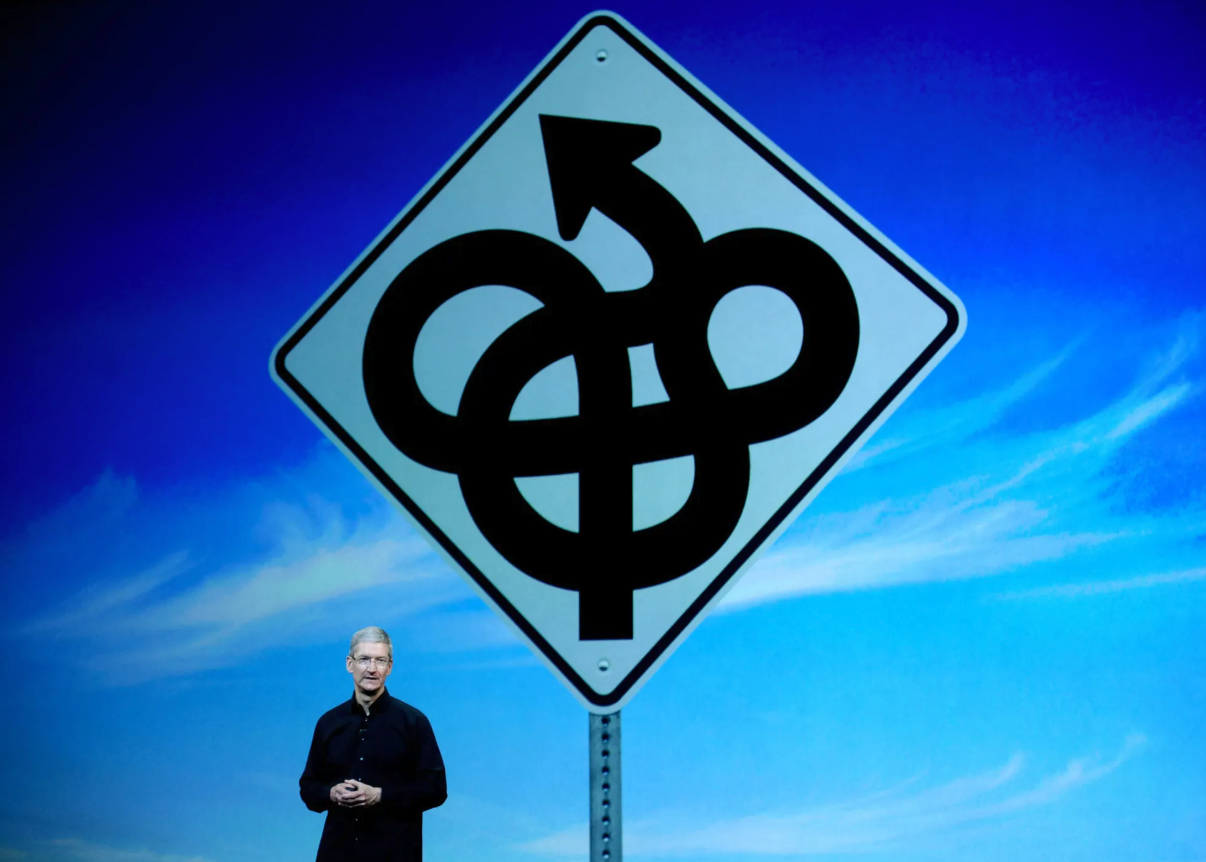
Cook compares touch-screen laptops to a toaster and refrigerator in one
Similarly, it would also be attractive if the Mac could support touch operations and allow users to interact through gestures such as finger sliding, pinching, panning, and zooming.
Why did you change your stance?
Thankfully, Apple has finally realized that launching a touch-screen Mac will not necessarily hurt iPad sales, but may instead attract new customers. Apple can still differentiate Macs from iPads through software, performance, battery life and versatility. The iPad is thin and light and is designed with touch as the core, so it can achieve functions that the Mac cannot and can also adapt to usage scenarios that the Mac cannot handle. In comparison, Macs are larger, have built-in keyboards, and have more powerful operating systems, making them better suited for more demanding tasks.
Inside Apple, both Cook and Ternus believe that consumers have come to expect Macs with touch screens. However, the company's industrial design team remained opposed to the idea. In the end, the compromise reached by all parties was to launch a device that supports touch but does not use touch as the main method of interaction.
It's worth noting that Apple hasn't solved the ergonomic issues that Steve Jobs pointed out years ago. Users still need to raise their arms to operate the vertical screen. Doing this for just a few seconds can become uncomfortable. Therefore, Apple's change is more due to revenue and marketing considerations than any technological breakthroughs.
When Apple decided to advance the touch-screen Mac project, its Mac computer and iPad business sales were growing rapidly, driven by the work-from-home policy during the epidemic. Coupled with the new market attention and replacement demand brought by Apple's self-developed chips, these factors give the company confidence that the Mac product line will remain an important part of Apple's business in the next few decades.
Apple needs to continue this growth momentum, and adding touch functionality is obviously the next logical step. Apple also realized that making Macs and iPads more similar would make it easier for users to switch between the two devices, thereby encouraging consumers to buy both products instead of choosing one over the other.
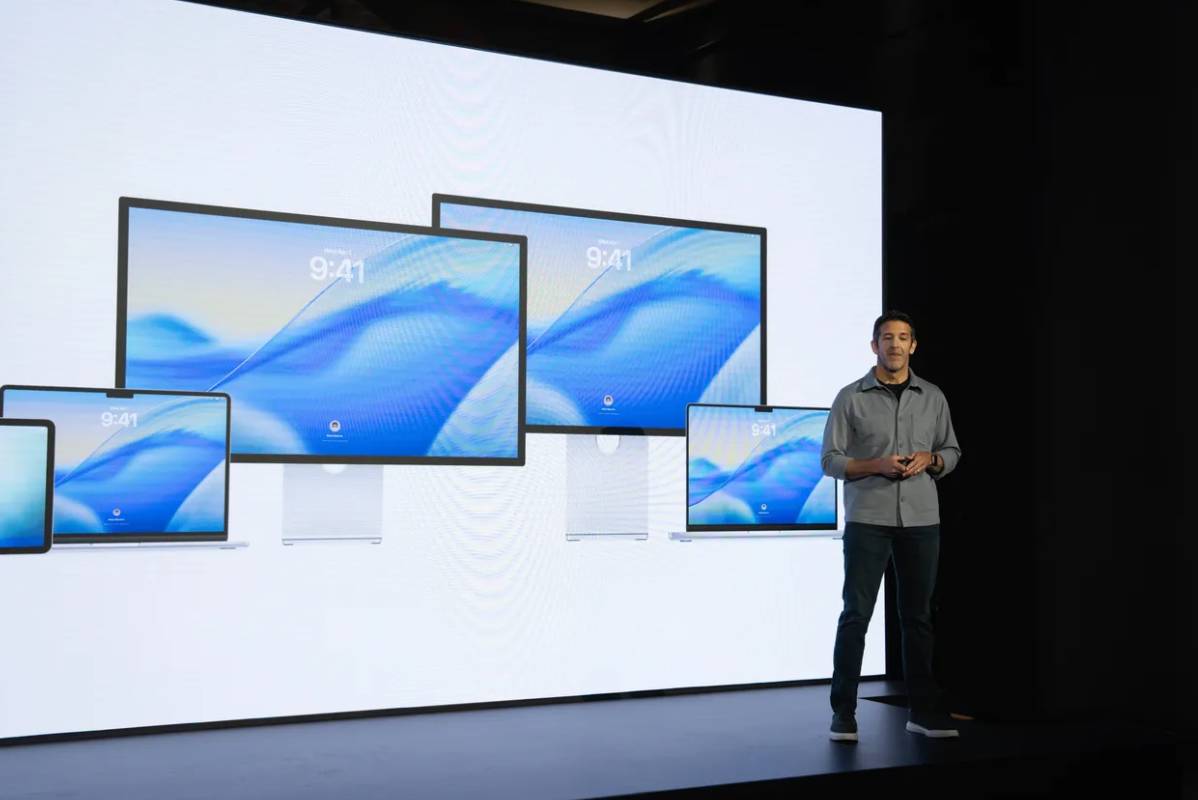
Ternus is expanding its Mac product line
To this end, Apple will emphasize at this week's press conference that the new MacBook Pro is not a combination of Mac and iPad, nor will Mac become a computer with touch as the main interaction method. Instead, touch will become an additional input method that users can use in appropriate scenarios, while the keyboard and trackpad will remain the core of the laptop experience.
To achieve this, Apple is tweaking macOS Golden Gate to make the operating system more natural to use with your fingers. The software of this computer will adopt a dynamic interface design: the system will determine whether the user is touching the screen or using the trackpad based on the user's previous operating habits, and display corresponding control options accordingly. When you click a button, the screen also pops up a menu around the user's finger, and the dock and menu bar are also optimized for touch operations. The aim is to allow users to switch naturally between touch and traditional pointer click operations without having to think about which method to use.
Another factor driving Apple's launch of touch-screen Macs is the adoption of OLED screens and the impact of this change on revenue. Compared with the Mini LED screen used in the current MacBook, the new screen can present deeper blacks and better contrast. Although this will push up costs, it also creates opportunities for Apple to increase selling prices. This strategy is similar to what Apple did when it launched the Retina screen version of the MacBook Pro in 2012. At that time, Apple launched a product that was positioned higher than its existing flagship models. By building a high-end product line, Apple can increase the average selling price of Macs.
The touchscreen MacBook Pro is also the latest example of Apple's continued efforts to fill long-standing gaps in its product lineup in recent years. Earlier this year, Apple entered the budget laptop market with the now $699 MacBook Neo, reversing its longstanding refusal to compete at the low end of the PC market.
This month, Apple released its first smart home display, HomeView, and began selling its first foldable screen phone, iPhone Duo. Previously, Apple had shown a dismissive attitude toward both product areas.
Comments