
Abstract:
Tim Cook once again talked about his leadership transition with John Ternus in a recent interview and spoke highly of Apple's new CEO. Cook said that the handover process between the two is progressing smoothly in accordance with the goals set by Apple, and Ternus is ready to lead Apple.
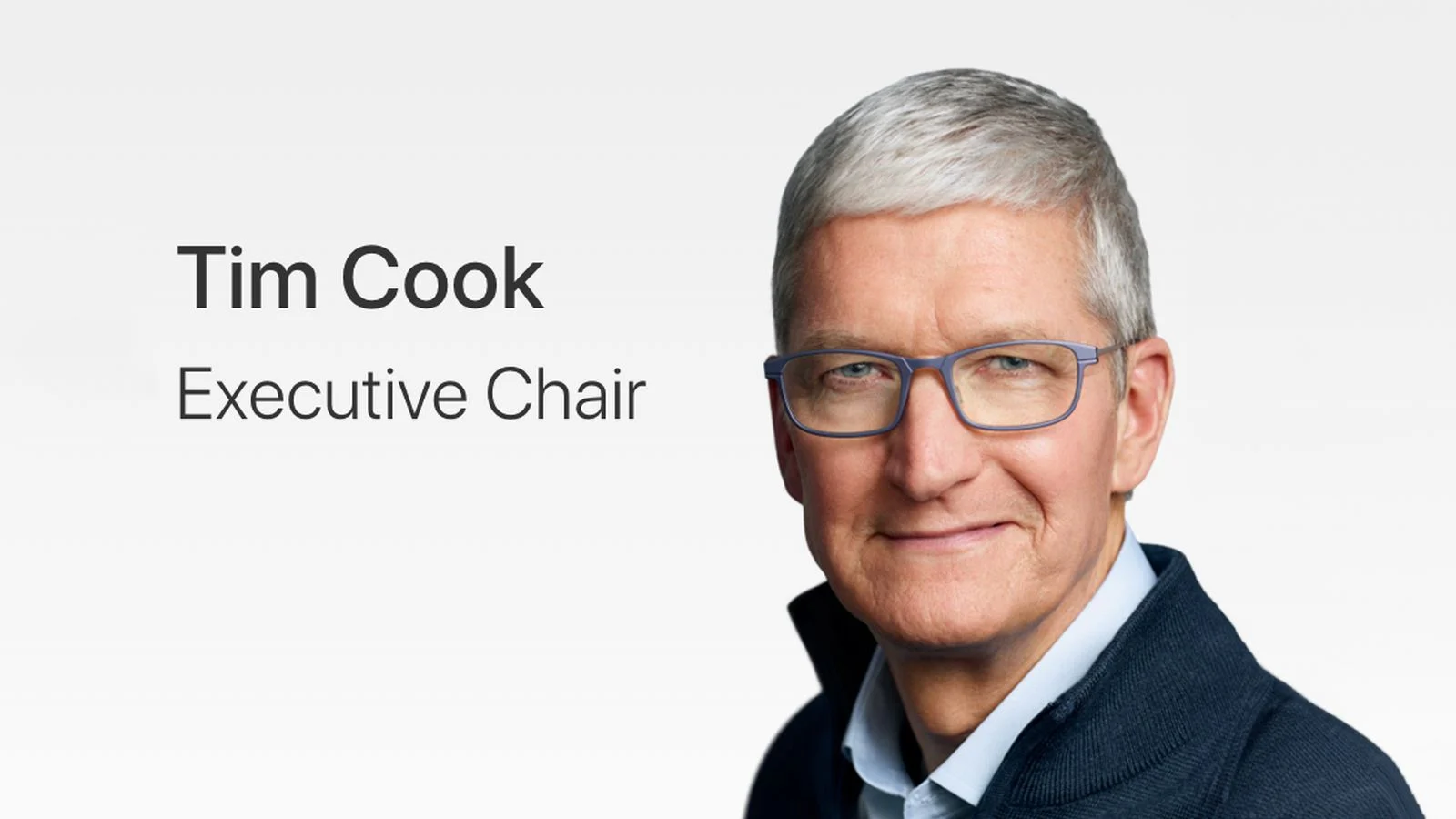
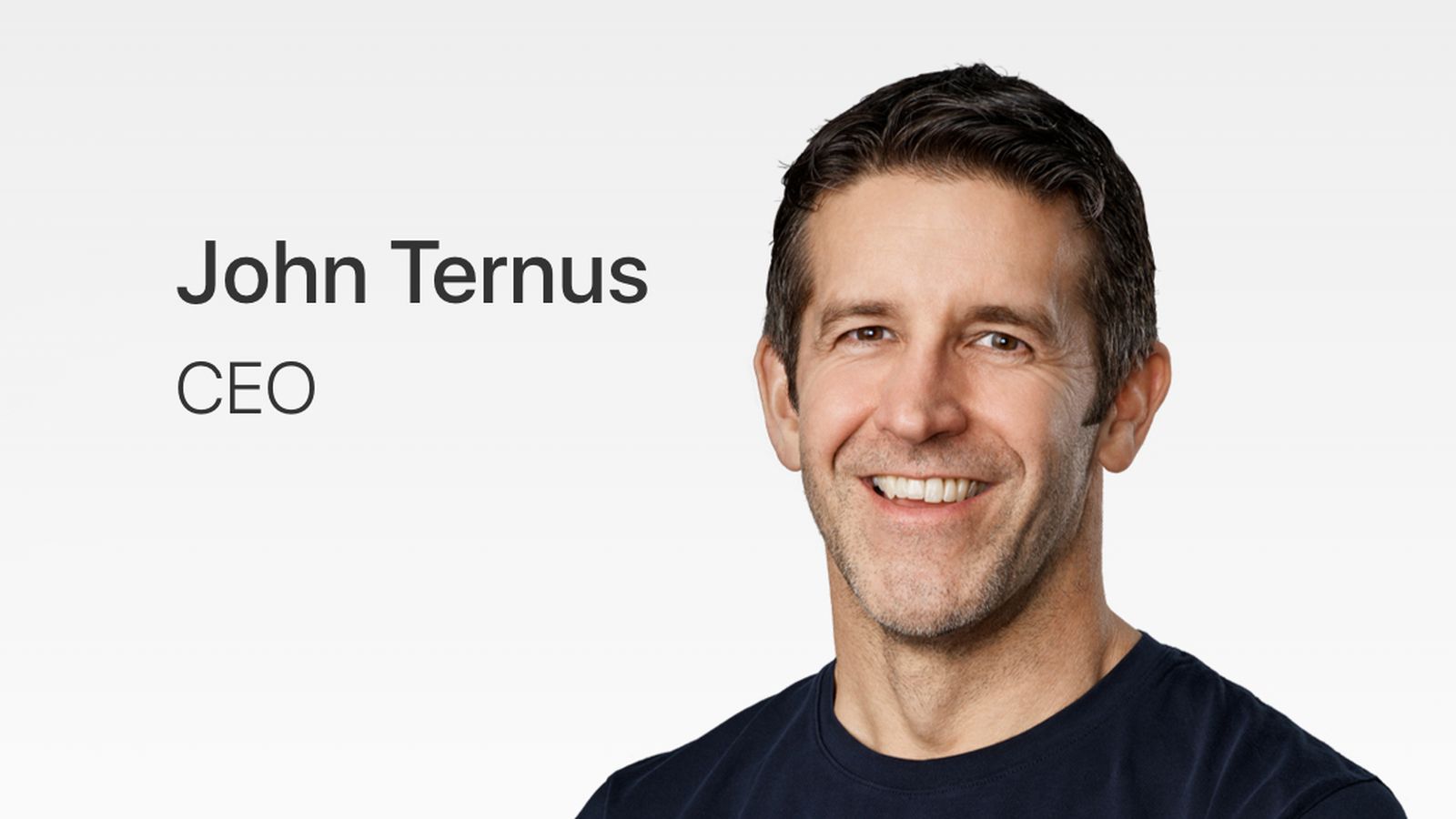
Apple officially completed its CEO transition on September 1 this year. Ternus succeeded Cook, who had been in charge of the company for 15 years, and became Apple's new CEO, while Cook became executive chairman of the board of directors. Apple previously said the transition was long-planned and the board of directors unanimously approved the arrangement.
Cook said in the interview that Apple hoped from the beginning that this leadership transition would become a "textbook" case, and the current actual progress is in line with this goal. His evaluation of Ternus is very clear, and he believes that Ternus fully meets the conditions to become an excellent CEO.
Cook particularly emphasized Ternus’ ability and readiness. In his view, Ternus is not only familiar with Apple's products and engineering systems, but has also been involved in the company's core business for a long time, so he can quickly get into the position after taking over as CEO without going through a long adaptation period.
Ternus said that being able to take over as Apple CEO is still an incredible thing for him. He previously served as Apple's senior vice president of hardware engineering, and his career has been centered around product development for a long time. He never thought that he would one day become the company's top manager.
Ternus joined Apple in 2001 and initially joined the product design team. He was promoted to vice president of hardware engineering in 2013 and became senior vice president of hardware engineering in 2021. Before becoming CEO, he had worked at Apple for more than 25 years and was a highly influential product and engineering leader within the company.
Compared with Cook, there are obvious differences in Ternus' professional background. Cook is best known for his operations, supply chain and global business management capabilities, while Ternus is a classic engineer and product leader. When Apple announced its succession arrangements this year, it also highlighted Ternus' long-term contribution to the development of products such as iPhone, Mac, iPad, Apple Watch and AirPods.
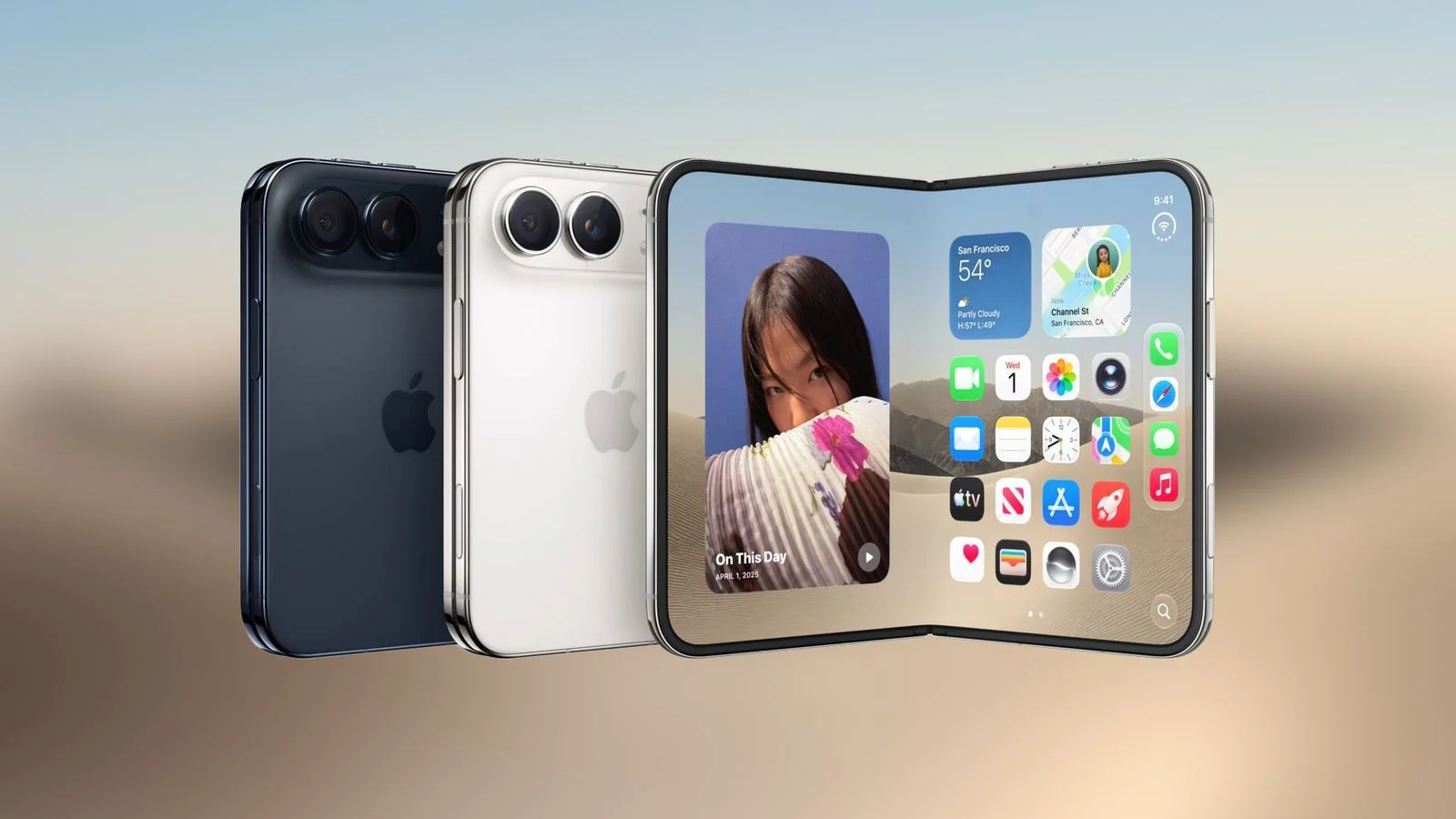
This difference also means that Apple is entering a new stage of management. However, Ternus himself does not believe that his taking over as CEO means that Apple needs to undergo a fundamental change.
In a previous interview, Ternus made it clear that Apple’s focus on innovation, products and users has never changed. He loves product development very much, and it is precisely because he likes "making things" that he has worked at Apple for so long. Therefore, he hopes to continue to promote this tradition rather than deliberately creating so-called "radical changes."
This is highly consistent with Cook's evaluation of him. When Cook previously announced the succession arrangement, he said that Ternus has the mind of an engineer, the soul of an innovator, and the character to lead the company with integrity and honor, and believes that he is the right person to lead Apple into the future.
Ternus himself considers Cook an important mentor. He once said that he was lucky to work under the leadership of Steve Jobs and Cook successively in his career, and an important lesson learned from them was to always focus on the future.
This "future-oriented" thinking has also become a concept that Ternus has repeatedly emphasized after taking over as CEO. At Apple's new product launch in September this year, he took the stage for the first time as CEO and personally announced the new product launch. It also marks a fundamental change in his role for an executive who had previously been primarily responsible for hardware engineering and rarely in the spotlight at the top of the company.
In an interview in September this year, Ternus also recalled his experience when he was asked whether he would be willing to serve as Apple CEO. He said that when Cook and the board of directors raised this issue with him, he did not expect that he would be considered to be the next CEO. He even thought that "fortunately I was sitting at the time" because the news came as a surprise to him.
But from Apple's perspective, Ternus is not a sudden successor. The company has carried out long-term succession planning, and Ternus' previous experience in hardware engineering also gave him a very in-depth understanding of Apple's core product system.
After he officially became CEO, Apple also began to make corresponding management structure adjustments within Apple. Johny Srouji succeeded Ternus in charge of the hardware engineering department, and the product design team was reorganized.
At the same time, Ternus has begun to significantly increase his involvement in product design work. Recent reports say that after he became CEO, he regarded product design as an important priority and frequently visited Apple's design studio to communicate directly with the industrial design and human-computer interface teams. This further reflects the difference in management styles between him and Cook.
During Cook’s tenure as CEO, one of Apple’s core advantages was its highly mature supply chain and operating system. During his 15-year tenure, he drove Apple's rapid growth in revenue, global business scale and services business, and increased the company's market value from nearly US$350 billion to approximately US$4 trillion. Apple also launched new product categories such as Apple Watch, AirPods and Vision Pro during this period, and completed a major transition from Intel processors to self-developed Apple Silicon.
What Ternus took over was an Apple that was far larger than the Steve Jobs era and faced more new problems. Artificial intelligence is reshaping the entire technology industry, and Apple needs to continue to improve its AI capabilities; at the same time, the company also needs to face issues such as the global supply chain, regulatory pressure, and how to continue to launch new products that are attractive enough.
AI in particular is likely to become one of the most important strategic challenges of Ternus's term. Ternus has previously said that generative AI is bringing a lot of possibilities that have only appeared in science fiction works in the past, and for product engineers, this is one of the "most exciting times" in his career.
However, Ternus has not shown any intention to completely transform Apple into an AI company. Instead, he prefers to view AI as a technology that the next generation of Apple products can leverage and continue to integrate around the overall experience of hardware, software and services.
Cook did not completely leave Apple in this transition. As executive chairman, he will continue to be involved in some important matters of the company and assist in some tasks, including global policy relations. Apple officials have previously made it clear that Cook will continue to provide experience and support to the company in his new position.
Therefore, this coaching change is more like a carefully designed transfer of power than a strategic break. Cook is responsible for taking Apple from the Steve Jobs era to a stage of larger scale and more mature business models, while Ternus will try to lead Apple into a new stage with AI, new forms of hardware and next-generation computing platforms as the core.
Judging from current signs, Ternus does not intend to prove his worth by completely denying the Cook era. He is more likely to use his 25 years of experience in Apple product development to increase his focus on product design, engineering innovation and new technology applications while maintaining the company's basic strategic continuity.
For Apple, this arrangement also reduces the uncertainty caused by coaching changes. Ternus is not a professional manager who landed from the outside, but an engineer who grew up within Apple and is deeply involved in the company's product development system. Cook himself made it clear that he felt very comfortable handing Apple over to Ternus.
With Ternus officially taking the helm of Apple, the global technology giant has entered a new era. In the next few years, whether he can transform his engineering thinking into the strategic advantage of the entire company, and whether he can re-establish Apple's leading position in product innovation in the AI era, will be the key to the success of this CEO transition.
Comments