
Abstract:
On September 1, 2026, John Ternus officially became the CEO of Apple and entered the board of directors. On the same day, Tim Cook became executive chairman. This personnel arrangement was unanimously approved by the board of directors on April 20, and the handover period will be approximately four months. In the resignation memo sent to employees on August 31, Cook wrote: "Today is my last day as Apple CEO" and said that "the helm will be handed over to John", emphasizing that "few people know as well as John what it takes to make products that can change the world."
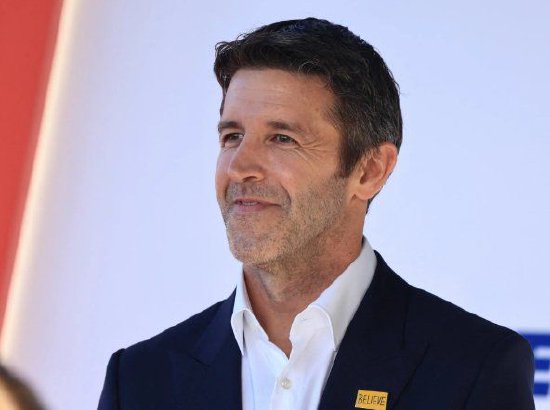
From mechanical engineer to head of Apple
Ternus, 51, studied at the University of Pennsylvania from 1993 to 1997, earning a bachelor's degree in mechanical engineering and applied mechanics and a minor in psychology. His graduation project is a head-controlled mechanical feeding arm designed for quadriplegics. After graduation, he joined Virtual Research Systems as a mechanical engineer and participated in the early development of high-end head displays. Joined Apple's product design team in 2001, and his first job involved Cinema Display. He was promoted to manager around 2004 and took over iMac hardware engineering in 2005. In 2013, he was promoted to vice president of hardware engineering, reporting to then senior vice president Dan Riccio and managing the Mac and iPad product lines at the same time. In January 2021, he was promoted to senior vice president of hardware engineering and joined the management team, responsible for the hardware engineering of iPhone, iPad, Mac, Apple Watch, AirPods and Vision Pro.
During his 25 years at Apple, Ternus was deeply involved in hardware development starting from the first generation iPad. AirPods, multiple generations of Macs, Apple Watch and iPhone were also led by his team. He rarely talks about his personal life in public and focuses more on product development. When talking about self-developed chips, he called the switch from Intel to Apple chips for the Mac "one of the most profound changes in Apple's products in the past two decades." The reason is that in the past, "we used other people's technology and then built products around it." Now, "a large part of these technologies are made by ourselves, and the top of the list is silicon wafers." When asked about the product he is most proud of in his hardware career, he first said that it was difficult to choose one, and then pointed out AirPods: "It was established with the technology we made ourselves."
Product concept: Technology serves experience, not show off skills
Shortly before his appointment in April, Ternus gave an interview about Apple's 50 years and what's next. Regarding artificial intelligence, he said: "We never think about shipping technology out. We always think about how to use technology to make great products." He took AirPods real-time translation as an example and said, "Technology has appeared in different places, and we use technology into truly meaningful experiences." He also positioned Apple Smart as a "marathon, not a sprint" and said that if you do it right, "people won't even notice it. It just makes what you are doing better and easier."
Regarding the possible integration of iPad and Mac, he responded clearly: "They are different products. We have to make the best iPad and the best Mac. Some choose this, some choose that, and many people want both, and that's good." When it comes to spatial computing, he said "it's still in the early stages, and we are very excited" and called Vision Pro an "extraordinary product" while emphasizing that "the journey has just begun." Asked about his favorite Apple product, he replied: "We haven't made it yet."
In the summer of 2026, he has introduced the 5.6 mm thick iPhone Air at a press conference and said in public that it is "powerful, but so thin and light that you have to hold it in your hand to believe it is real." In an internal letter about the handover of hardware engineering, he wrote: "Needless to say, I still plan to do it myself." Since then, hardware engineering has been day-to-day under the responsibility of Tom Malibu, reporting to the new chief hardware officer Johnny Slugi, who will unify the management of the original chip line and the engineering line.
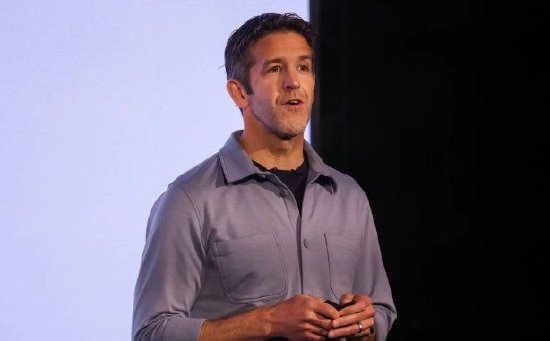
Facing the big exam in the first week after taking office: Autumn press conference and multiple challenges
The first public "examination" after Ternus became CEO is scheduled to be held on September 9 at the Steve Jobs Theater in Cupertino. The theme of the press conference is "Surprise and shine." The market is generally expected to release the first foldable screen iPhone, a new generation of Apple Watch, and a redesign of Siri based on a large language model. However, the specific specifications, pricing and final name of the folding screen have not yet been officially announced.
Apple’s pace in the field of generative artificial intelligence lags behind some of its competitors. Siri’s transformation has been delayed many times, and related business teams have also been adjusted. In terms of hardware, the price of memory chips has risen sharply in the short term. The company's head of operations has admitted that "we cannot avoid it" and is negotiating countermeasures with the supply chain. These are all business issues that Ternus will face directly after taking office.
At the same time, Ternus's resume shortcomings are equally obvious: he has been in charge of engineering and products for 25 years, and finance, sales, legal affairs, procurement and government affairs are not his expertise. To this end, Cook remains as executive chairman to supplement this area, and the heads of services, finance, operations, etc. also remain on the management team. Ternus himself distilled the commitment into two sentences: "Still hands-on" in an internal letter, and "Leading with the values and vision that have defined this place for half a century" in a press release.
External evaluation and prospects
Dan Ives of Yorkville, an investment institution, said: "Cook has left the house in excellent condition. Now it depends on how Ternus writes the chapter of artificial intelligence." He predicts that the new CEO will focus more on hardware and product innovation, which he is best at. Mike Slade, who once served as a consultant to Steve Jobs, commented that Apple chose an "internal person who knows how to assemble products." "There are not many companies that know how to make computers anymore. Knowing this, you will have an unfair intuition about what can and cannot be done."
If Apple in the Steve Jobs era was defined by "vision, disruption and aesthetics", then Cook's legacy to the company is more reflected in "operations, discipline and long-termism". Over the past decade or so, he has further transformed Apple from a consumer electronics company driven by hot-selling hardware into a global business machine with a huge supply chain, stable cash flow, a strong service ecosystem and a high degree of capital allocation discipline. What Ternus inherited was therefore not an Apple in need of repair, but a highly mature and efficient system.
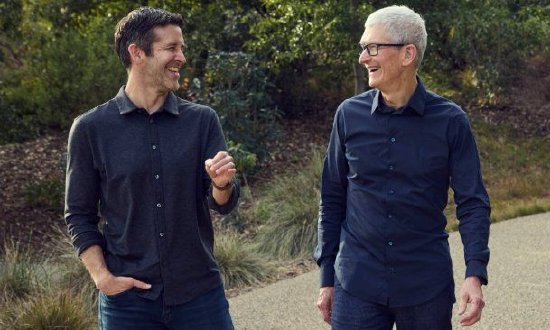
But this also means that the problems he faces are completely different from those faced by Cook. Ternus's core label is closer to "engineering, products and robustness": more than 20 years of internal experience at Apple have made him familiar with both the hardware R&D and manufacturing system and Apple's ability to transform technology into large-scale consumer products. This background may be particularly important for Apple, which is in the process of migrating its artificial intelligence platform. What the market will really focus on in the future is not whether Ternus can replicate Cook's operational capabilities, but whether he can maintain Apple's existing business discipline while reaffirming that Apple still has the product capabilities to define the next generation of computing terminals.
Therefore, the most noteworthy variable in the Ternus era may not be whether Apple will become more radical, but whether it can reintegrate AI, chips, terminal hardware and operating systems into a new product experience with Apple characteristics. What Cook is solving is how to make Apple bigger, more stable, and more profitable; what Ternus needs to answer is what else Apple can do in the next ten years.
Comments