
Abstract:
According to South Korean media The Elec, citing industry sources, Apple is considering delaying or canceling its planned OLED screen iMac. Due to the high cost of OLED panels and lower-than-expected demand for OLED devices, Apple is discussing adjusting the development schedule for the OLED iMac with Samsung Display.
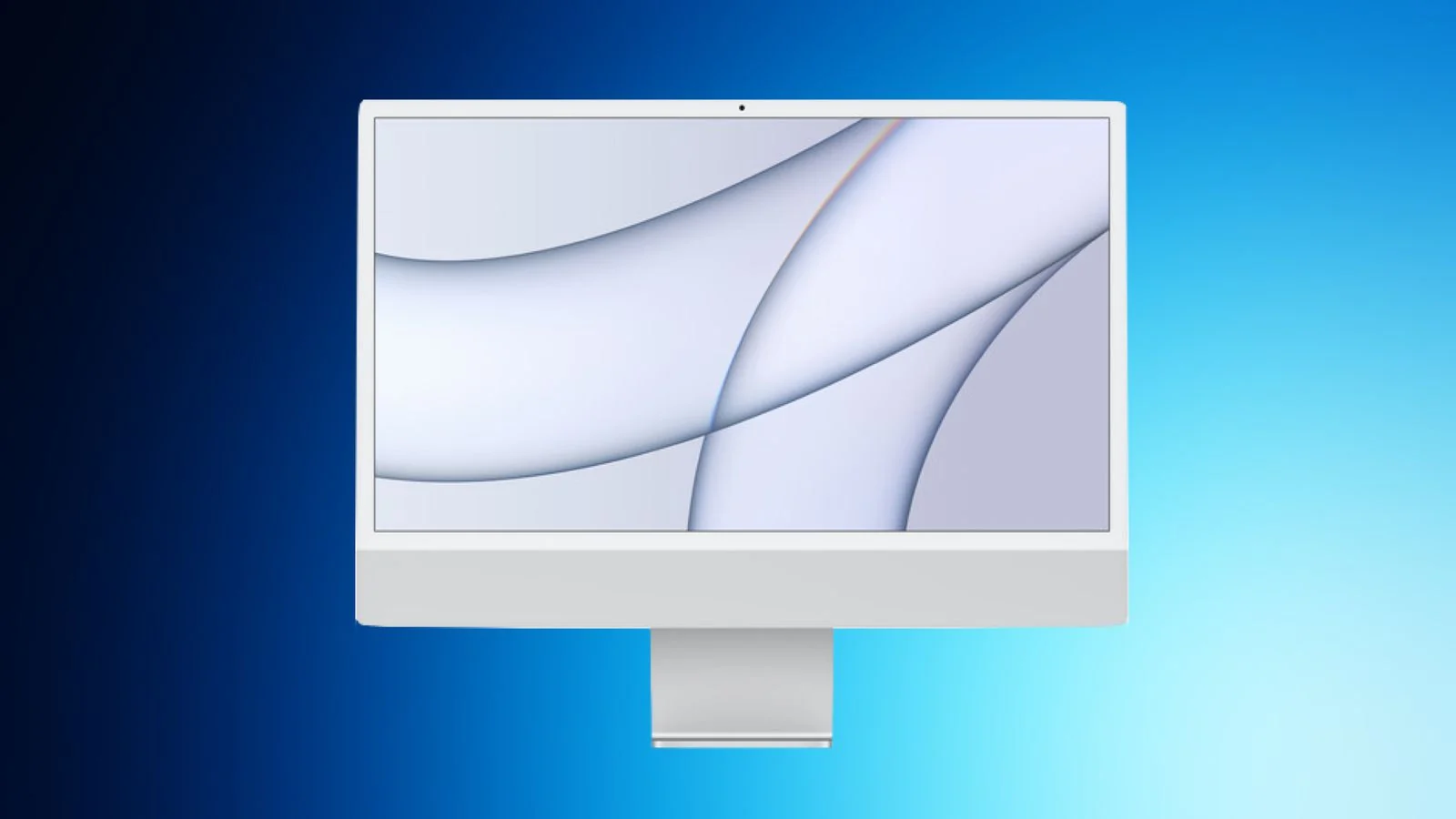
It is reported that Apple may shelve the project completely, but an industry insider said that the current focus of discussions is still to postpone the project so that Apple can further evaluate market demand. Previous reports pointed out that the OLED iMac was originally planned to be launched in 2029 or 2030. Now, Apple is said to have asked LCD suppliers such as BOE to develop panels for the new iMac expected to be launched around 2029, which means that Apple may continue to use LCD technology during the original OLED upgrade cycle.
Cost was cited as the biggest obstacle. The sales volume of Apple's iMac is lower than that of products such as iPhone and MacBook. Without increasing the price of the whole machine, it will be difficult to obtain reasonable commercial returns for expensive OLED panels. The report also said that rising memory costs have further increased Apple’s expenditure on using OLED technology in more products.
Weak demand for OLED iPad Pro is also seen as a factor. The 2024 iPad Pro uses a brighter tandem OLED screen for the first time, but the higher price seems to discourage many consumers. According to reports, as of October of that year, Apple had lowered its shipment forecast from a maximum of 10 million units to 6.7 million units.
Samsung Display and LG Display are expected to ship a total of 4.9 million iPad Pro OLED panels in 2026, a decrease of approximately 18% from 6 million units in 2025. Among them, Samsung's shipments are expected to drop from 2.1 million units to 1.5 million units, and LG's shipments are expected to drop from 3.9 million units to 3.4 million units.
The Elec believes that this assessment may also be related to changes in Apple’s management. Since John Ternus took over as CEO in September, Apple has reportedly been re-examining whether the benefits of expensive OLED panels are enough to justify the cost.
According to reports, Apple first contacted display panel suppliers for the OLED iMac project in 2025, hoping to obtain a 24-inch panel with a brightness of 600 nits and a pixel density of 218 pixels per inch. Samsung Display is believed to have developed a panel with a pixel density of approximately 220 pixels per inch on its existing large-size quantum dot OLED production line. The design uses a five-layer light-emitting structure to improve brightness and longevity. Samsung originally planned to provide samples to Apple in the second half of 2026.
LG Display has developed a competitive white OLED panel that also uses a five-layer light-emitting structure, but it is reported that its panel development for the first OLED iMac has been stopped.
Last month, Bloomberg reporter Mark Gurman said that Apple was still testing OLED screens for iMac and MacBook Air, but did not specify when these two products would switch to OLED display technology.
Comments